It spread instantly, moving faster than context, faster than verification, and far faster than truth ever seems to travel online. Phones lit up.
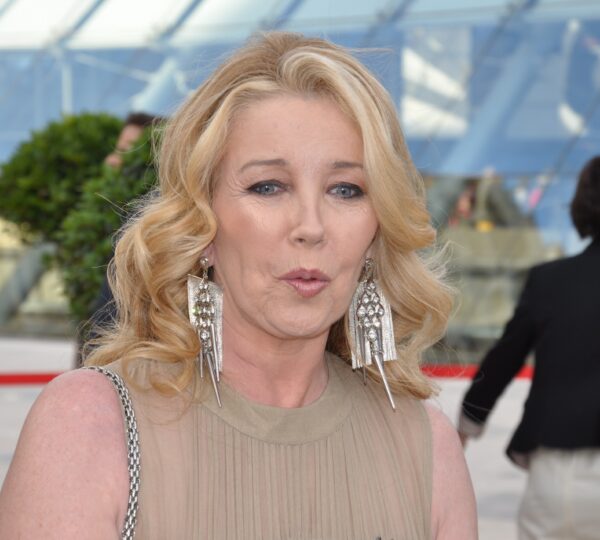
Notifications stacked. Social media filled with concern, speculation, and fear. For fans who had spent decades watching Melody Thomas Scott bring life, strength, and vulnerability to their screens.
The phrase didn’t feel abstract. It felt personal. When someone who has been part of people’s daily lives for generations is suddenly paired with “bad news,” it triggers an emotional response that goes deeper than celebrity curiosity.
Melody isn’t just a familiar name. She’s a constant presence for many viewers, someone whose work has quietly accompanied them through different chapters of their own lives.
That’s why the reaction was immediate—and intense.
But as is often the case, the reality behind the headline was far more measured, more human, and more complex than the alarmist framing suggested.
The truth didn’t arrive with drama. It arrived slowly.
For weeks, Melody had noticed that something wasn’t quite right. There was no single alarming moment, no sudden collapse or emergency.
Instead, it was a gradual sense that her body wasn’t operating at its usual rhythm. Fatigue lingered longer than expected. Concentration required more effort. Tasks that once felt automatic demanded more attention.
Like many professionals—especially those with decades of experience—she initially pushed through. Years in the entertainment industry teach resilience, discipline, and the ability to perform even when conditions aren’t ideal.
Melody had built a career on showing up, prepared and focused, regardless of what was happening behind the scenes.
But experience also teaches discernment. It teaches you the difference between temporary exhaustion and signals that shouldn’t be ignored. Eventually, she listened.
Medical appointments followed. Tests were scheduled. Waiting became part of the process. And waiting rooms, for all their neutrality, have a way of leveling everyone inside them.
They don’t recognize awards, legacies, or public recognition. In those moments, Melody wasn’t a television icon.
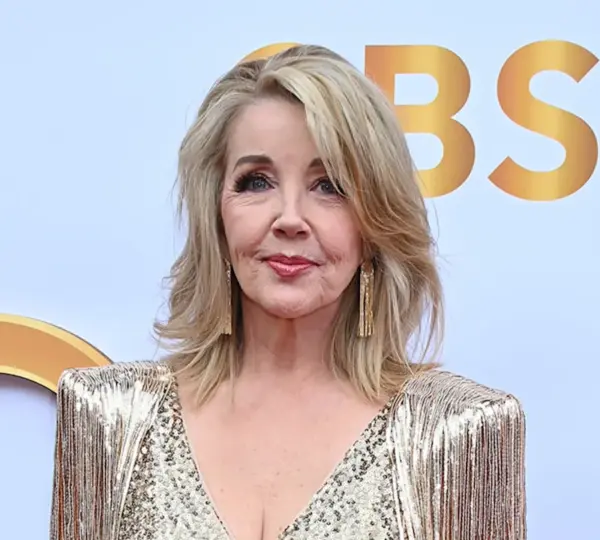
She was simply a woman seeking clarity, navigating uncertainty, and doing what responsible adults do when their health demands attention.
As answers came slowly, fragments of information began to leak.
A canceled appearance here. A quieter social media presence there. To the public, these gaps invited speculation.
Online culture thrives on filling silence with assumptions, and without official statements, imagination ran ahead of facts.
Rumors multiplied. The phrase “bad news” became a container for fear, worst-case scenarios, and unfounded conclusions.
What many didn’t see was the deliberate choice behind Melody’s silence.
She wasn’t hiding. She wasn’t avoiding her audience. She was protecting the people around her—and herself. She didn’t want panic.
She didn’t want incomplete information turning into unnecessary alarm. She didn’t want her loved ones overwhelmed by frantic messages based on guesswork rather than truth.
Privacy, especially during moments of vulnerability, is not secrecy. It’s self-preservation.
Behind closed doors, Melody approached the situation with focus and intention. She asked questions. She took notes. She researched responsibly.
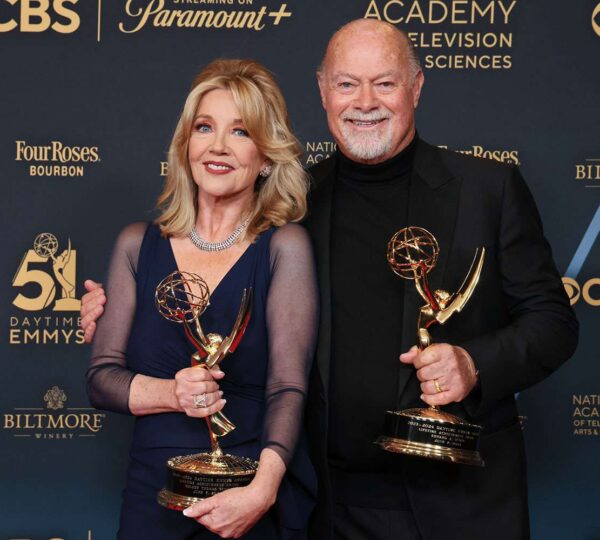
She surrounded herself with a small circle of trusted professionals and personal supports. Years in the public eye had taught her that public noise rarely offers useful guidance when real decisions must be made.
Eventually, clarity emerged.
Yes, the concern was real. No, it was not the catastrophic scenario many online narratives had imagined.
It was a health matter that required attention, monitoring, and thoughtful management.
The kind of situation where denial would be irresponsible, but action offered a clear and constructive path forward.
When Melody chose to speak publicly, she did so in a way that reflected who she has always been—direct, honest, and grounded. She acknowledged the concern.
She corrected misinformation. She made it clear that she was not disappearing, not retreating, and not giving up her career or her identity.
She was adjusting.
She explained that prioritizing health sometimes means slowing down, not stepping away.