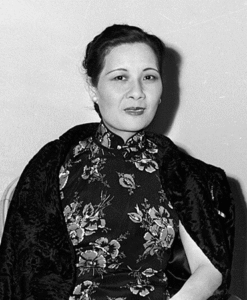
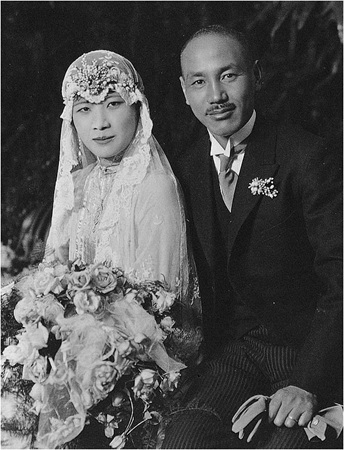
Soong Mei-ling—revered worldwide as Madame Chiang Kai-shek—remains one of the most iconic women in modern Chinese history, a figure whose life bridged nations, political eras, and cultural worlds. Yet beyond her global influence, diplomatic brilliance, and historic marriage to Generalissimo Chiang Kai-shek, she left behind another remarkable legacy: her astonishing lifespan of 106 years.
Her longevity is often treated with the same fascination as her political accomplishments. Many people today are deeply intrigued by one question: How did a woman diagnosed with cancer in her early 40s go on to live more than six decades beyond that diagnosis? Her life offers a compelling answer—one built on discipline, moderation, traditional wisdom, and an unwavering commitment to caring for her own wellbeing.
Her habits were simple yet powerful, rooted in a philosophy that honored the body’s natural rhythms and the healing strength of food, sleep, and balance. This long, detailed exploration looks at every part of her lifestyle: her daily routines, the foods she relied on, the traditional practices she believed in, and the mindset that allowed her not just to live long, but to live vibrantly through some of the most turbulent chapters of the 20th century.
A Childhood That Shaped a Lifelong Discipline
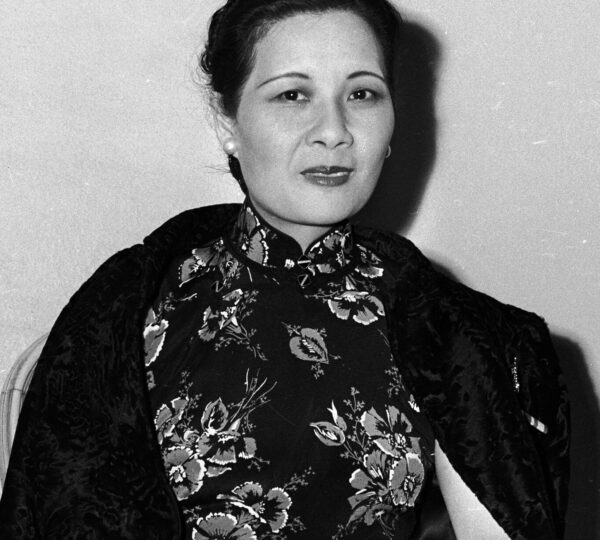
Born in 1898 into the prominent Soong family, Mei-ling grew up in a household that valued education, international understanding, and personal discipline. Her father, a businessman and devout Christian, ensured that his children received not only traditional Chinese teachings but also exposure to Western culture. This dual influence shaped her character, making her simultaneously modern and traditional.
Her early years in the United States—where she studied at Wesleyan College in Georgia—introduced her to structure, punctuality, and daily routines that aligned perfectly with her naturally disciplined temperament. Even as a young student, she was known for her neatness, politeness, and impeccable personal habits. This early conditioning would later become the foundation for her lifelong wellness philosophy.
A Life Surrounded by Pressure, Yet Guided by Structure
As the wife of Chiang Kai-shek and one of the most visible public figures in China’s modern history, Soong Mei-ling lived with extraordinary pressure. She traveled internationally, delivered powerful speeches to U.S. Congress, negotiated with world leaders, and became the face of China in the West during World War II.
These duties came with immense stress, long hours, and emotional strain. But despite her demanding public responsibilities, she continued to prioritize her wellbeing in private. Those close to her frequently observed her remarkable self-discipline:
-
She maintained a consistent bedtime regardless of world events.
-
She avoided late-night meetings whenever possible.
-
She insisted on protected hours each day for rest and quiet.
-
She shielded herself from unnecessary emotional turmoil.
Her belief was unwavering: A leader cannot serve others if she does not care for herself. This mindset, radical for her time, allowed her to endure decades of political turbulence without sacrificing her health.
Confronting Cancer at 40 — A Turning Point
In her early 40s, Soong Mei-ling faced a devastating diagnosis: uterine cancer. At a time when cancer treatments were far less advanced than they are today, the diagnosis could easily have marked the beginning of decline. But for her, it became a catalyst for transformation.
She began to study Traditional Chinese Medicine more deeply, looking for ways to strengthen her immune system, balance her energy, and support her body through recovery. At the same time, she embraced Western medical approaches, creating a hybrid wellness routine that blended scientific understanding with ancient healing traditions. This dual approach, rare at the time, became one of the reasons many believe she achieved such extraordinary longevity.
The Foundation of Her Longevity: A Strict, Purposeful Daily Routine
Soong Mei-ling’s routine was not rigid for the sake of appearance—it was a deliberate structure she believed was essential to maintaining balance. Her day typically followed this pattern:
☀️ Morning Routine (9 a.m.)
She began each morning with:
-
A glass of cool lemon water
-
Gentle stretching or slow walking
-
Quiet reflection or prayer
-
A light breakfast focused on fruits and simple foods
The lemon water, now widely popular, was a long-standing habit she used to stimulate digestion, cleanse the system, and awaken the body naturally.
Limited Mental Activity
Although she enjoyed painting, reading, and writing, she never allowed herself to engage in mentally taxing activities for more than two hours per day. She believed that overexertion drained energy, shortened life, and weakened the immune system. This discipline stands in contrast to modern culture’s tendency toward constant productivity—and perhaps explains why her vitality lasted so long.
Evening Routine (Bedtime around 11 p.m.)
She avoided late nights, heavy meals, or emotional conversations after sunset. Instead, she ended her day with calm rituals:
-
Light reading
-
Quiet conversation
-
Gentle tea
-
Early sleep
Her ability to maintain this routine for decades played a crucial role in preserving her vitality.
Her Diet: Clean, Simple, Balanced, and Rooted in Traditional Wisdom
Soong Mei-ling’s diet is one of the most discussed aspects of her longevity. Unlike restrictive modern trends, her approach was based on moderation, whole foods, and intuitive eating.
She believed that what one eats directly shapes the quality of one’s health—and her habits reflected that belief.
Her Three Foundational Food Principles
1. Eat simple, natural foods
She preferred meals prepared with minimal oil, few spices, and no processed ingredients.
2. Avoid anything “unclean” or overly foreign
She avoided fast foods, packaged snacks, and unfamiliar dishes. Her body, she believed, thrived on the flavors it grew up with.
3. Focus on digestive peace
She often said:
“A calm stomach leads to a calm life.”
She avoided foods that caused bloating, heaviness, or discomfort.
Her Signature Foods: Celery and Spinach
Few people realize just how important these two vegetables were in her daily meals. They were not trendy foods—they were chosen for their function, balance, and healing properties.
CELERY — The Cleansing Powerhouse
Celery was one of her most trusted foods. Modern nutrition confirms much of what TCM has taught for generations: Celery supports:
-
Healthy blood pressure
-
Liver cleansing
-
Better digestion
-
Improved circulation
-
Lung health
-
Reduced inflammation
-
Detoxification of the bloodstream
She often consumed celery lightly sautéed, steamed, or added to soups—a gentle preparation that preserved its nutrients.
SPINACH — Nourishing, Strengthening, and Anti-Aging
Spinach was another cornerstone in her meals, valued for its rich mineral content and high antioxidants.
Spinach supports:
-
Eye health
-
Brain function
-
Anti-aging processes
-
Strong bones
-
Clear skin
-
Improved digestion
-
Better circulation
She frequently paired spinach with tomatoes or carrots, creating antioxidant-rich meals that modern science now recognizes as beneficial for reducing oxidative stress and supporting long-term health.
The Deeper Philosophy: Longevity Through Balance
What made Soong Mei-ling’s lifestyle so successful was not a single habit, but the harmony of many small, consistent choices:
-
She ate natural foods.
-
She prioritized rest.
-
She protected her mental peace.
-
She embraced tradition alongside modernity.
-
She lived with moderation, purpose, and awareness.
Her life stands as a testament to the idea that longevity is not merely fate—it is often the sum of daily habits maintained over decades. Her wellness philosophy can be summarized in three simple ideas: Simplicity. Consistency. Balance.
As Soong Mei-ling aged, her life became less about public appearances and more about the art of self-preservation. While the world remembers her as a political powerhouse — a woman who addressed the U.S. Congress, influenced global diplomacy, and helped shape the international identity of China — those closest to her often described her private life with a single word:
Graceful.
Even in her later years, she approached daily living with the same quiet sense of order that had carried her through war, illness, and global change. She refused to view aging as something tragic. Instead, she viewed it as a natural extension of life — a season where wisdom, calm, and reflection replaced urgency.
Her commitment to longevity never manifested as vanity or obsession. It was about maintaining dignity, clarity of mind, and the inner peace she believed every person deserved.
This second part explores the deeper layers of her lifestyle, mindset, and enduring legacy — and how her simple habits remain relevant today.
The Holistic Philosophy Behind Her Longevity
Many people focus only on what she ate or how she slept, but the real power of her lifestyle came from a much deeper philosophy — one rooted in Traditional Chinese Medicine, spiritual grounding, and balanced living.
Soong Mei-ling lived with a belief system built on three pillars:
1. Harmony between mind and body
She believed emotional stress directly affected physical health.
For that reason:
-
She avoided unnecessary conflict
-
She limited exposure to negative news
-
She set strong boundaries
-
She practiced forgiveness
-
She connected deeply with art and beauty
Her emotional self-care was just as strict and intentional as her diet.
2. Prevention instead of reaction
She did not wait to be sick before adjusting her habits. If she felt tired, she rested. If her digestion felt heavy, she simplified her meals. If she sensed mental strain, she reduced her workload. This preventive mindset is central to TCM and is now supported by modern medical research.
3. A belief in lifelong growth
Even in her later years, she continued:
-
Reading
-
Painting
-
Studying
-
Reflecting
-
Practicing languages
-
Engaging in gentle physical activity
She believed that once the mind stops growing, the body begins to decline.
Her Approach to Stress: A Secret Weapon
Soong Mei-ling faced one of the most stressful lives imaginable — political upheaval, war, global diplomacy, assassination attempts, illness, and constant public scrutiny. Yet despite this, she maintained remarkable composure. How? She built a life designed to protect her nervous system. She surrounded herself with:
-
Soft music
-
Light, flowing fabrics
-
Clean spaces
-
Natural lighting
-
Calming artwork
-
Gentle routines
Her staff often commented that entering her room felt like stepping into a different world — serene, organized, peaceful — a sanctuary from the chaos of politics. She understood something that modern wellness culture is only now rediscovering: Stress ages the body faster than time itself.
Her Relationship with Food: Eating as a Ritual, Not an Obligation
Mei-ling did not eat simply to satisfy hunger. She ate with intention. Her meals were often structured around TCM principles regarding warm foods vs. cold foods, yin and yang balance, and gentle digestion.
Her meals tended to follow these patterns:
Breakfast
-
Lemon water
-
Lychees, pineapple, or kiwi
-
Light porridge or steamed egg
-
Mild tea
Lunch
-
Stir-fried greens like spinach or celery
-
Pumpkin or sweet potato
-
Lean fish or tofu
-
Broth-based soups
Dinner
-
Very light — she avoided heavy evening meals
-
Often just soup, vegetables, or fruit
-
No late-night snacking
This eating pattern kept her digestion efficient and her metabolism stable, preventing the inflammation that modern diets often cause.
Why Celery and Spinach Became Her Signature Longevity Foods
It might surprise people that two of the most basic vegetables — celery and spinach — played such a large role in her daily meals. But these foods were not chosen randomly.
✨ Celery: Her cleansing and circulatory-support champion
According to TCM and modern nutrition:
-
Celery lowers blood pressure
-
Cleanses the liver
-
Supports heart health
-
Aids digestion
-
Reduces inflammation
-
Helps regulate blood sugar
-
Detoxifies the bloodstream
The high water and fiber content also made it perfect for cancer prevention, as it swept toxins out of the digestive tract. She often ate celery daily, which explains why it became such a central part of her longevity story.
Spinach: Her powerhouse of minerals and antioxidants
Spinach supported her body in countless ways:
-
Improved eyesight
-
Strengthened bones
-
Boosted immune function
-
Reduced aging signs
-
Supported pancreatic and stomach function
-
Cleansed toxins
-
Improved circulation
Spinach also pairs perfectly with tomatoes and carrots — a combination that dramatically increases antioxidant absorption and helps defend against cell damage.
Modern Science Confirms What She Knew 80 Years Ago
Much of what Soong Mei-ling practiced for longevity aligns with what modern research has now validated:
-
Consistent sleep improves immunity and lifespan
-
Light meals reduce inflammation
-
Fruits and vegetables improve cell repair
-
Slow living lowers stress hormones
-
Preventive healthcare leads to a longer life
-
Daily routines stabilize biological rhythms
-
Mindful eating supports metabolism
-
Emotional peace protects the heart and brain
She lived the blueprint that longevity researchers now promote worldwide.
Her Later Years: A Quiet Life of Reflection and Ritual
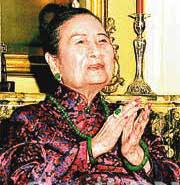
After her husband’s passing and as global politics shifted, Soong Mei-ling gradually withdrew from public life. She moved to New York, where she lived in a peaceful residence surrounded by gardens, books, and art.
She continued her routine with unwavering dedication:
-
Morning lemon water
-
Artistic activities
-
Daily reading
-
Walks when weather permitted
-
Early meals
-
Quiet evenings
-
Consistent sleep schedule
Visitors frequently remarked on her glowing skin, sharp mind, warm personality, and calm manner — even in her 90s and beyond. Her secret was not one miraculous ingredient. It was how she lived her entire life.
Her Legacy: A Model of Strength, Grace, and Intuitive Wellness
Soong Mei-ling’s longevity is more than a biological achievement — it is a testament to the power of:
-
Discipline
-
Moderation
-
Self-respect
-
Cultural wisdom
-
Spiritual grounding
-
Healthy emotional boundaries
-
Lifelong curiosity
She did not simply survive 106 years. She lived them purposefully. Her life teaches us that longevity is not an accident of genetics or a stroke of luck — it is a collection of choices, repeated day after day, across decades.
Final Reflection: What We Can Learn From Her Journey
If Soong Mei-ling could send one message to the world about health and aging, it might be this:
“Care for your body as a lifelong companion. Care for your mind as a lifelong teacher. Care for your spirit as a lifelong home.”
Her methods — simple foods, clean living, consistent rest, emotional balance, and daily intention — remain as relevant today as they were a century ago. Even in a world of modern technology, advanced medicine, and fast-paced lifestyles, her wisdom endures because it speaks to what humans have always needed:
-
Peace
-
Nourishment
-
Stability
-
Connection
-
Purpose
As we reflect on her extraordinary life, we are reminded that health is not merely the absence of illness — it is the presence of harmony.
Soong Mei-ling—revered worldwide as Madame Chiang Kai-shek—remains one of the most iconic women in modern Chinese history, a figure whose life bridged nations, political eras, and cultural worlds. Yet beyond her global influence, diplomatic brilliance, and historic marriage to Generalissimo Chiang Kai-shek, she left behind another remarkable legacy: her astonishing lifespan of 106 years.
Her longevity is often treated with the same fascination as her political accomplishments. Many people today are deeply intrigued by one question: How did a woman diagnosed with cancer in her early 40s go on to live more than six decades beyond that diagnosis? Her life offers a compelling answer—one built on discipline, moderation, traditional wisdom, and an unwavering commitment to caring for her own wellbeing.
Her habits were simple yet powerful, rooted in a philosophy that honored the body’s natural rhythms and the healing strength of food, sleep, and balance. This long, detailed exploration looks at every part of her lifestyle: her daily routines, the foods she relied on, the traditional practices she believed in, and the mindset that allowed her not just to live long, but to live vibrantly through some of the most turbulent chapters of the 20th century.
A Childhood That Shaped a Lifelong Discipline
Born in 1898 into the prominent Soong family, Mei-ling grew up in a household that valued education, international understanding, and personal discipline. Her father, a businessman and devout Christian, ensured that his children received not only traditional Chinese teachings but also exposure to Western culture. This dual influence shaped her character, making her simultaneously modern and traditional.
Her early years in the United States—where she studied at Wesleyan College in Georgia—introduced her to structure, punctuality, and daily routines that aligned perfectly with her naturally disciplined temperament. Even as a young student, she was known for her neatness, politeness, and impeccable personal habits. This early conditioning would later become the foundation for her lifelong wellness philosophy.
A Life Surrounded by Pressure, Yet Guided by Structure
As the wife of Chiang Kai-shek and one of the most visible public figures in China’s modern history, Soong Mei-ling lived with extraordinary pressure. She traveled internationally, delivered powerful speeches to U.S. Congress, negotiated with world leaders, and became the face of China in the West during World War II.
These duties came with immense stress, long hours, and emotional strain. But despite her demanding public responsibilities, she continued to prioritize her wellbeing in private. Those close to her frequently observed her remarkable self-discipline:
-
She maintained a consistent bedtime regardless of world events.
-
She avoided late-night meetings whenever possible.
-
She insisted on protected hours each day for rest and quiet.
-
She shielded herself from unnecessary emotional turmoil.
Her belief was unwavering: A leader cannot serve others if she does not care for herself. This mindset, radical for her time, allowed her to endure decades of political turbulence without sacrificing her health.
Confronting Cancer at 40 — A Turning Point
In her early 40s, Soong Mei-ling faced a devastating diagnosis: uterine cancer. At a time when cancer treatments were far less advanced than they are today, the diagnosis could easily have marked the beginning of decline. But for her, it became a catalyst for transformation.
She began to study Traditional Chinese Medicine more deeply, looking for ways to strengthen her immune system, balance her energy, and support her body through recovery. At the same time, she embraced Western medical approaches, creating a hybrid wellness routine that blended scientific understanding with ancient healing traditions. This dual approach, rare at the time, became one of the reasons many believe she achieved such extraordinary longevity.
The Foundation of Her Longevity: A Strict, Purposeful Daily Routine
Soong Mei-ling’s routine was not rigid for the sake of appearance—it was a deliberate structure she believed was essential to maintaining balance. Her day typically followed this pattern:
☀️ Morning Routine (9 a.m.)
She began each morning with:
-
A glass of cool lemon water
-
Gentle stretching or slow walking
-
Quiet reflection or prayer
-
A light breakfast focused on fruits and simple foods
The lemon water, now widely popular, was a long-standing habit she used to stimulate digestion, cleanse the system, and awaken the body naturally.
Limited Mental Activity
Although she enjoyed painting, reading, and writing, she never allowed herself to engage in mentally taxing activities for more than two hours per day. She believed that overexertion drained energy, shortened life, and weakened the immune system. This discipline stands in contrast to modern culture’s tendency toward constant productivity—and perhaps explains why her vitality lasted so long.
Evening Routine (Bedtime around 11 p.m.)
She avoided late nights, heavy meals, or emotional conversations after sunset. Instead, she ended her day with calm rituals:
-
Light reading
-
Quiet conversation
-
Gentle tea
-
Early sleep
Her ability to maintain this routine for decades played a crucial role in preserving her vitality.
Her Diet: Clean, Simple, Balanced, and Rooted in Traditional Wisdom
Soong Mei-ling’s diet is one of the most discussed aspects of her longevity. Unlike restrictive modern trends, her approach was based on moderation, whole foods, and intuitive eating.
She believed that what one eats directly shapes the quality of one’s health—and her habits reflected that belief.
Her Three Foundational Food Principles
1. Eat simple, natural foods
She preferred meals prepared with minimal oil, few spices, and no processed ingredients.
2. Avoid anything “unclean” or overly foreign
She avoided fast foods, packaged snacks, and unfamiliar dishes. Her body, she believed, thrived on the flavors it grew up with.
3. Focus on digestive peace
She often said:
“A calm stomach leads to a calm life.”
She avoided foods that caused bloating, heaviness, or discomfort.
Her Signature Foods: Celery and Spinach
Few people realize just how important these two vegetables were in her daily meals. They were not trendy foods—they were chosen for their function, balance, and healing properties.
CELERY — The Cleansing Powerhouse
Celery was one of her most trusted foods. Modern nutrition confirms much of what TCM has taught for generations: Celery supports:
-
Healthy blood pressure
-
Liver cleansing
-
Better digestion
-
Improved circulation
-
Lung health
-
Reduced inflammation
-
Detoxification of the bloodstream
She often consumed celery lightly sautéed, steamed, or added to soups—a gentle preparation that preserved its nutrients.
SPINACH — Nourishing, Strengthening, and Anti-Aging
Spinach was another cornerstone in her meals, valued for its rich mineral content and high antioxidants.
Spinach supports:
-
Eye health
-
Brain function
-
Anti-aging processes
-
Strong bones
-
Clear skin
-
Improved digestion
-
Better circulation
She frequently paired spinach with tomatoes or carrots, creating antioxidant-rich meals that modern science now recognizes as beneficial for reducing oxidative stress and supporting long-term health.
The Deeper Philosophy: Longevity Through Balance
What made Soong Mei-ling’s lifestyle so successful was not a single habit, but the harmony of many small, consistent choices:
-
She ate natural foods.
-
She prioritized rest.
-
She protected her mental peace.
-
She embraced tradition alongside modernity.
-
She lived with moderation, purpose, and awareness.
Her life stands as a testament to the idea that longevity is not merely fate—it is often the sum of daily habits maintained over decades. Her wellness philosophy can be summarized in three simple ideas: Simplicity. Consistency. Balance.
As Soong Mei-ling aged, her life became less about public appearances and more about the art of self-preservation. While the world remembers her as a political powerhouse — a woman who addressed the U.S. Congress, influenced global diplomacy, and helped shape the international identity of China — those closest to her often described her private life with a single word:
Graceful.
Even in her later years, she approached daily living with the same quiet sense of order that had carried her through war, illness, and global change. She refused to view aging as something tragic. Instead, she viewed it as a natural extension of life — a season where wisdom, calm, and reflection replaced urgency.
Her commitment to longevity never manifested as vanity or obsession. It was about maintaining dignity, clarity of mind, and the inner peace she believed every person deserved.
This second part explores the deeper layers of her lifestyle, mindset, and enduring legacy — and how her simple habits remain relevant today.
The Holistic Philosophy Behind Her Longevity
Many people focus only on what she ate or how she slept, but the real power of her lifestyle came from a much deeper philosophy — one rooted in Traditional Chinese Medicine, spiritual grounding, and balanced living.
Soong Mei-ling lived with a belief system built on three pillars:
1. Harmony between mind and body
She believed emotional stress directly affected physical health.
For that reason:
-
She avoided unnecessary conflict
-
She limited exposure to negative news
-
She set strong boundaries
-
She practiced forgiveness
-
She connected deeply with art and beauty
Her emotional self-care was just as strict and intentional as her diet.
2. Prevention instead of reaction
She did not wait to be sick before adjusting her habits. If she felt tired, she rested. If her digestion felt heavy, she simplified her meals. If she sensed mental strain, she reduced her workload. This preventive mindset is central to TCM and is now supported by modern medical research.
3. A belief in lifelong growth
Even in her later years, she continued:
-
Reading
-
Painting
-
Studying
-
Reflecting
-
Practicing languages
-
Engaging in gentle physical activity
She believed that once the mind stops growing, the body begins to decline.
Her Approach to Stress: A Secret Weapon
Soong Mei-ling faced one of the most stressful lives imaginable — political upheaval, war, global diplomacy, assassination attempts, illness, and constant public scrutiny. Yet despite this, she maintained remarkable composure. How? She built a life designed to protect her nervous system. She surrounded herself with:
-
Soft music
-
Light, flowing fabrics
-
Clean spaces
-
Natural lighting
-
Calming artwork
-
Gentle routines
Her staff often commented that entering her room felt like stepping into a different world — serene, organized, peaceful — a sanctuary from the chaos of politics. She understood something that modern wellness culture is only now rediscovering: Stress ages the body faster than time itself.
Her Relationship with Food: Eating as a Ritual, Not an Obligation
Mei-ling did not eat simply to satisfy hunger. She ate with intention. Her meals were often structured around TCM principles regarding warm foods vs. cold foods, yin and yang balance, and gentle digestion.
Her meals tended to follow these patterns:
Breakfast
-
Lemon water
-
Lychees, pineapple, or kiwi
-
Light porridge or steamed egg
-
Mild tea
Lunch
-
Stir-fried greens like spinach or celery
-
Pumpkin or sweet potato
-
Lean fish or tofu
-
Broth-based soups
Dinner
-
Very light — she avoided heavy evening meals
-
Often just soup, vegetables, or fruit
-
No late-night snacking
This eating pattern kept her digestion efficient and her metabolism stable, preventing the inflammation that modern diets often cause.
Why Celery and Spinach Became Her Signature Longevity Foods
It might surprise people that two of the most basic vegetables — celery and spinach — played such a large role in her daily meals. But these foods were not chosen randomly.
✨ Celery: Her cleansing and circulatory-support champion
According to TCM and modern nutrition:
-
Celery lowers blood pressure
-
Cleanses the liver
-
Supports heart health
-
Aids digestion
-
Reduces inflammation
-
Helps regulate blood sugar
-
Detoxifies the bloodstream
The high water and fiber content also made it perfect for cancer prevention, as it swept toxins out of the digestive tract. She often ate celery daily, which explains why it became such a central part of her longevity story.
Spinach: Her powerhouse of minerals and antioxidants
Spinach supported her body in countless ways:
-
Improved eyesight
-
Strengthened bones
-
Boosted immune function
-
Reduced aging signs
-
Supported pancreatic and stomach function
-
Cleansed toxins
-
Improved circulation
Spinach also pairs perfectly with tomatoes and carrots — a combination that dramatically increases antioxidant absorption and helps defend against cell damage.
Modern Science Confirms What She Knew 80 Years Ago
Much of what Soong Mei-ling practiced for longevity aligns with what modern research has now validated:
-
Consistent sleep improves immunity and lifespan
-
Light meals reduce inflammation
-
Fruits and vegetables improve cell repair
-
Slow living lowers stress hormones
-
Preventive healthcare leads to a longer life
-
Daily routines stabilize biological rhythms
-
Mindful eating supports metabolism
-
Emotional peace protects the heart and brain
She lived the blueprint that longevity researchers now promote worldwide.
Her Later Years: A Quiet Life of Reflection and Ritual
After her husband’s passing and as global politics shifted, Soong Mei-ling gradually withdrew from public life. She moved to New York, where she lived in a peaceful residence surrounded by gardens, books, and art.
She continued her routine with unwavering dedication:
-
Morning lemon water
-
Artistic activities
-
Daily reading
-
Walks when weather permitted
-
Early meals
-
Quiet evenings
-
Consistent sleep schedule
Visitors frequently remarked on her glowing skin, sharp mind, warm personality, and calm manner — even in her 90s and beyond. Her secret was not one miraculous ingredient. It was how she lived her entire life.
Her Legacy: A Model of Strength, Grace, and Intuitive Wellness
Soong Mei-ling’s longevity is more than a biological achievement — it is a testament to the power of:
-
Discipline
-
Moderation
-
Self-respect
-
Cultural wisdom
-
Spiritual grounding
-
Healthy emotional boundaries
-
Lifelong curiosity
She did not simply survive 106 years. She lived them purposefully. Her life teaches us that longevity is not an accident of genetics or a stroke of luck — it is a collection of choices, repeated day after day, across decades.
Final Reflection: What We Can Learn From Her Journey
If Soong Mei-ling could send one message to the world about health and aging, it might be this:
“Care for your body as a lifelong companion. Care for your mind as a lifelong teacher. Care for your spirit as a lifelong home.”
Her methods — simple foods, clean living, consistent rest, emotional balance, and daily intention — remain as relevant today as they were a century ago. Even in a world of modern technology, advanced medicine, and fast-paced lifestyles, her wisdom endures because it speaks to what humans have always needed:
-
Peace
-
Nourishment
-
Stability
-
Connection
-
Purpose
As we reflect on her extraordinary life, we are reminded that health is not merely the absence of illness — it is the presence of harmony.