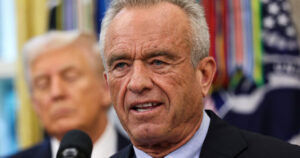
ncy, not by common medications or routine newborn procedures. Their message was consistent: autism is not caused by Tylenol or circumcision, and parents should not make health decisions based on theories unsupported by hard evidence.
This wave of clarification came not only from physicians but also from independent autism researchers who have studied the condition for decades.
Many of them expressed frustration that misinformation continues to overshadow the real challenges families face: access to therapy, early diagnosis, inclusive education, and long-term support services. They stressed that every minute spent debunking unproven claims is a minute taken away from advancing research that could genuinely improve lives.
But perhaps the most powerful voices came from parents of autistic children themselves. On social media, in interviews, and in community forums, many shared their disappointment that autism was once again being framed as something caused by parental actions — a narrative they say fuels guilt, shame, and unnecessary fear.
Several parents noted that hearing a government official suggest they may have “caused” their child’s condition simply by following standard medical advice was deeply painful.
They also raised an important point: pushing unverified theories can shift public focus away from the beauty, strengths, and individuality of autistic people. Instead of promoting understanding, such claims risk turning autism into a subject of blame, speculation, or accusation — something families say they must fight against constantly.
At the policy level, lawmakers began fielding questions from constituents who were understandably confused. Some asked whether new regulations on painkillers were coming. Others worried whether Tylenol, something used safely for generations, was now dangerous to use during pregnancy.
The overwhelming response from medical experts was clear: no official guidelines have changed, and acetaminophen remains considered safe when used appropriately.
Public health specialists explained that acetaminophen is one of the few fever-reducing medications deemed safe for pregnant women — and fever during pregnancy can itself pose risks if left untreated.
Therefore, discouraging its use without evidence could inadvertently cause more harm than good. Fever, uncontrolled pain, and untreated infections can affect both mother and baby, highlighting why accurate information is essential.
As media coverage intensified, analysts noted that Kennedy’s remarks had touched off a wider cultural discussion about the tension between skepticism and science. Some people feel drawn to alternative explanations for complex conditions because they want certainty in a world that rarely offers it.
Others argue that misinformation thrives in environments where trust in institutions is already fragile. Experts insist this is precisely why public officials need to be especially careful with their words.
While Kennedy defended his right to raise questions, critics countered that leadership requires not just questioning established science, but also respecting the rigorous processes through which scientific conclusions are made.
They pointed out that scientific inquiry is built on testing, peer review, replication, and careful evaluation — not on isolated observations or emotionally compelling anecdotes. When a claim is made publicly, particularly by someone in power, it carries weight, and therefore must be grounded in verifiable fact.
The debate eventually turned toward a broader issue: the responsibility of leaders to communicate complex scientific topics clearly. Many have argued that medical misinformation spreads faster than ever before, often outpacing the efforts of experts to correct it. Without responsible communication, confusion replaces clarity, and fear replaces understanding.
As the days passed, a more measured national conversation began to emerge. Journalists dug deeper into the history of autism research. Physicians explained why the condition cannot be traced to a single cause.
Advocates called for compassion, accurate education, and respect for autistic individuals. Researchers emphasized the importance of continued study, not to find a scapegoat, but to better support those on the autism spectrum and their families.
One of the most central themes that emerged from this controversy was the importance of distinguishing between curiosity and conclusion. It is valid for anyone — including public officials — to ask scientific questions.
But presenting unverified theories as plausible explanations can mislead millions. In the realm of health, accuracy can be the difference between safe decisions and dangerous ones.
As the uproar settled into ongoing discussion, several truths remained firmly established:
• Autism is primarily genetic and neurological in origin.
• No credible research shows that Tylenol causes autism.
• Circumcision does not cause autism.
• Scientific studies that find correlations do not prove causation.
• Families deserve accurate information, free from fear or speculation.
• Public officials must communicate carefully, especially about children’s health.
Ultimately, the controversy surrounding RFK Jr.’s remarks became more than just a debate over Tylenol or circumcision. It evolved into a national reflection on how we approach science, how we support families, and how we expect leaders to uphold truth during times of uncertainty.
Autism is a complex, multifaceted condition — not a political talking point, nor a subject for blame-driven narratives.
The discussion continues today, but one message now echoes more clearly than ever: families deserve compassion, evidence-based guidance, and leaders who speak with both responsibility and respect. As society learns more about autism each year, the focus must remain on understanding, inclusion, and scientific integrity — not on theories that divide or mislead.
In the end, the story serves as a reminder that information is powerful. And when leaders speak, the nation listens. That is why accuracy matters, especially when the health and well-being of children are at stake.