A federal judge in Rhode Island recently acknowledged what he described as a prompt response from President Donald Trump following a court ruling related to the Supplemental Nutrition Assistance Program (SNAP), the federal initiative that provides food assistance to millions of low-income Americans.
The comments came amid heightened legal and political scrutiny over the continuation of SNAP benefits during a period of federal funding uncertainty.
In a written order that included a notable footnote, U.S. District Court Judge John J. McConnell Jr. stated that the court appreciated the administration’s actions following judicial direction regarding the program.
Judge McConnell specifically referenced the president’s role in responding to the court’s order and expressed approval of efforts aimed at ensuring that SNAP funds would be distributed without interruption.
“The court greatly appreciates the president’s quick and definitive response to this court’s order and his desire to provide the necessary SNAP funding,” Judge McConnell wrote.
The remark stood out not only because of its tone, but also because it highlighted cooperation between the judicial branch and the executive branch during a period of legal dispute.
Why SNAP Funding Matters
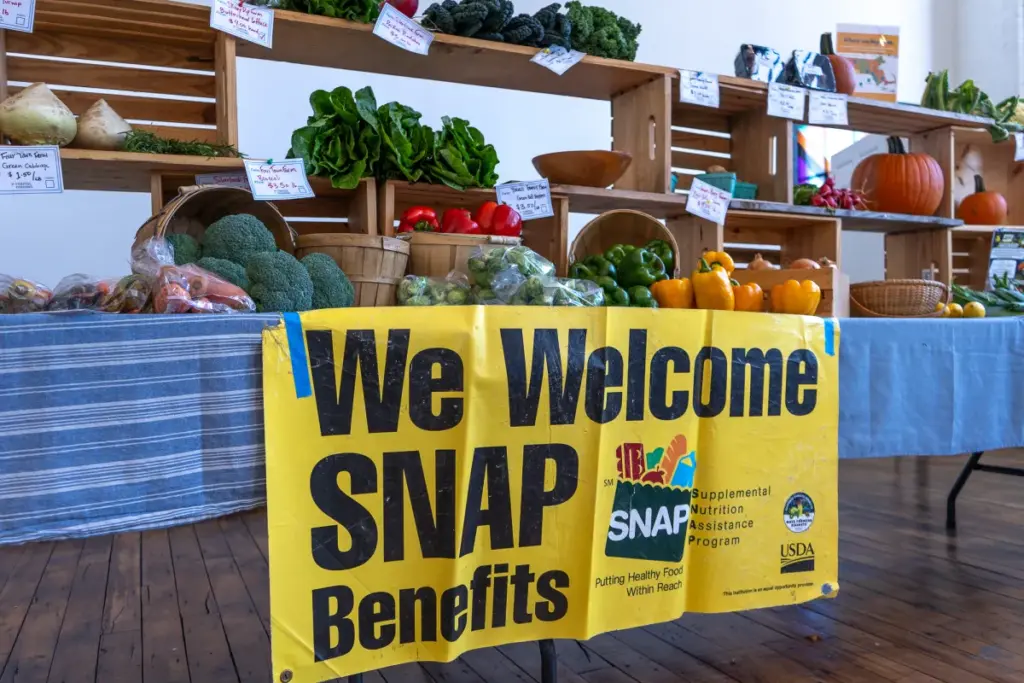
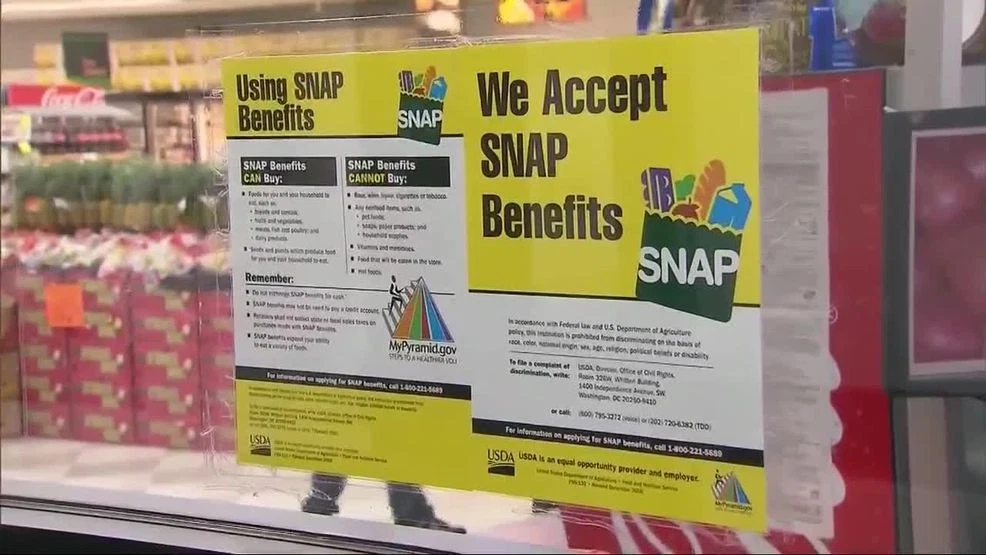
The Supplemental Nutrition Assistance Program plays a central role in the U.S. social safety net. Each month, approximately 42 million Americans, or roughly one in eight people nationwide, rely on SNAP benefits to help purchase food.
These benefits are distributed electronically through EBT cards and are widely used for groceries and other essential food items.
Advocacy organizations, food security experts, and state officials have long emphasized that any disruption to SNAP payments—even temporary—can have immediate and serious consequences.
For many households, SNAP benefits supplement limited incomes and are critical to meeting basic nutritional needs.
Delays in funding can increase food insecurity, strain local charities and food banks, and exacerbate financial instability for vulnerable populations.
Because of this, disputes involving SNAP funding often receive urgent attention from the courts. Judges are frequently asked to weigh not only statutory interpretation but also the real-world impact of delayed benefits on families and communities.
The Rhode Island Court Order
In his ruling, Judge McConnell directed the U.S. Department of Agriculture (USDA), the federal agency responsible for administering SNAP, to ensure that full benefits were delivered to recipients within a specific timeframe.

According to the order, the USDA was instructed to guarantee that full SNAP payments for the relevant period be issued promptly, or that partial payments be made if full funding could not be delivered immediately.
The judge emphasized that Congress had previously approved contingency funding mechanisms designed to address situations where regular appropriations are disrupted.
In his view, these funds were intended to prevent lapses in essential assistance programs, particularly during periods of federal shutdowns or funding gaps.
“There is no question that the congressionally approved contingency funds must be used now,” Judge McConnell wrote, arguing that the circumstances met the threshold for their use.
Disagreement Over Contingency Funds
The ruling, however, highlighted an ongoing legal disagreement between the court and the executive branch. Agriculture Secretary Brooke Rollins stated that the administration’s interpretation of the law differed from the court’s.
According to the USDA’s position, contingency funds are available only under specific conditions, such as when the program is fully funded or in response to natural disasters.
Secretary Rollins argued that existing statutes clearly limit when and how these funds can be deployed, and that using them outside those parameters could raise legal and budgetary concerns.
This difference in interpretation lies at the heart of the legal dispute and underscores the complexity of federal funding law.
Judge McConnell countered that previous executive guidance, including policies issued during President Trump’s first term, suggested that contingency funds could be accessed in the event of a government shutdown that caused SNAP funding to lapse.
He cited this guidance as supporting the court’s interpretation that emergency measures were permissible under the circumstances.
The Broader Legal Landscape
The Rhode Island case is not the only one addressing SNAP funding. In a separate but related ruling, U.S. District Judge Indira Talwani in Boston ordered the USDA to continue issuing SNAP benefits, concluding that suspending the program would be unlawful under existing federal law.
Judge Talwani’s decision further reinforced judicial concern about interruptions to essential food assistance.
Together, these rulings illustrate a broader pattern of judicial intervention aimed at maintaining continuity in federal aid programs during periods of political or budgetary instability.
While courts do not control appropriations, they often interpret existing statutes to determine whether agencies have the authority—or obligation—to continue services when funding is disputed.
Political Reactions and Public Debate
As the legal proceedings unfolded, the issue of SNAP funding became part of a wider political debate. Commentators and analysts offered differing interpretations of how the dispute might affect public opinion.
Pollster Matt Towery, speaking on Fox News, suggested that attempts by some Democratic lawmakers to draw public attention to potential SNAP disruptions could have unintended consequences.
According to Towery, the strategy of emphasizing interruptions in food assistance as a political pressure point may not resonate with voters in the way some expect.
Towery argued that public discussions around SNAP are increasingly intersecting with broader conversations about immigration, eligibility, and government spending.
He suggested that as voters learn more about how the program operates and who qualifies for benefits, attitudes toward federal assistance programs may evolve.
Public Opinion and Generational Shifts
Towery also pointed to what he described as a gradual shift in public opinion, particularly among younger Americans entering the workforce.
According to his analysis, these voters are beginning to reassess their views on government assistance as they face rising costs of living, job market pressures, and tax burdens.
“There’s always been sympathy for the social safety net,” Towery noted, while adding that economic realities may be influencing how younger voters think about long-term government spending and benefit programs.
While such observations remain subject to debate and further data, they reflect an ongoing national conversation about the role of federal assistance programs, fiscal responsibility, and social support systems.
Looking Ahead
As legal challenges continue and funding negotiations remain unresolved, SNAP stands at the center of a complex intersection of law, politics, and public policy.
Court rulings in Rhode Island and Massachusetts have underscored the judiciary’s concern for maintaining access to food assistance, while disagreements between judges and federal agencies highlight unresolved legal questions.
Whether the administration will seek further clarification from higher courts, including the U.S. Supreme Court, remains uncertain.
What is clear is that SNAP funding disputes carry significant implications—not only for millions of recipients, but also for the broader debate over how essential federal programs should be protected during times of political uncertainty.
As the government shutdown continues to cast uncertainty over federal operations, the legal battle surrounding SNAP funding has become a focal point in a much broader discussion about governance, accountability, and the role of emergency measures in public policy.
While court orders have temporarily safeguarded benefit distribution, they have also exposed deep divisions over statutory authority and political responsibility.

Judicial Intervention and Executive Authority
The recent rulings in Rhode Island and Massachusetts reflect a pattern that has emerged during past shutdowns: courts stepping in to interpret existing laws in ways that prioritize continuity of essential services.
Judges involved in these cases have emphasized that SNAP is not a discretionary program in the traditional sense, but a congressionally authorized entitlement designed to protect public welfare.
From the judiciary’s perspective, the key issue is whether administrative agencies possess sufficient flexibility to prevent harm when funding disruptions occur.
Courts have increasingly signaled that prolonged interruptions to food assistance may conflict with the intent of Congress, even if appropriations have temporarily lapsed.
At the same time, executive branch officials argue that judicial mandates risk overstepping constitutional boundaries.
They maintain that agencies must operate strictly within the limits set by statute and that courts cannot compel spending beyond what Congress has explicitly authorized.
This tension underscores a recurring constitutional question: where emergency governance ends and separation of powers begins.
Political Strategy and Public Messaging
The SNAP funding dispute has also revealed how social programs can become political leverage during shutdown negotiations.
Lawmakers on both sides of the aisle have framed the issue in ways that align with broader narratives about fiscal discipline, humanitarian responsibility, and government efficiency.
Some Democratic leaders have warned that even short-term disruptions could disproportionately harm children, seniors, and working families.
Their messaging emphasizes the immediacy of food insecurity and the moral obligation of government to prevent it.
Republican voices, meanwhile, have highlighted concerns about executive overreach and long-term sustainability of entitlement programs.
They argue that emergency measures should not be normalized in ways that bypass congressional budget authority.
Pollster Matt Towery’s comments reflect a growing belief among some analysts that the political impact of SNAP-related messaging is becoming less predictable.
While sympathy for social safety nets remains strong, voter attitudes are increasingly shaped by concerns about inflation, employment, and government spending priorities.
Changing Public Perceptions of Assistance Programs
One of the most significant undercurrents in this debate is a subtle shift in how Americans—particularly younger generations—view federal assistance programs.
Unlike earlier generations, many younger workers are entering the labor market amid rising housing costs, student debt, and economic uncertainty.
As Towery suggested, this demographic is beginning to reassess long-standing assumptions about government aid.
While there is still broad support for programs that protect the most vulnerable, there is also growing scrutiny over eligibility rules, funding mechanisms, and long-term fiscal impact.
This does not necessarily indicate a rejection of social programs, but rather a demand for transparency, efficiency, and accountability.
Voters increasingly want assurances that assistance programs are well-managed, legally sound, and aligned with clearly defined policy goals.
Economic and Social Implications
Beyond politics, the SNAP debate has tangible economic implications. SNAP benefits are widely recognized as an economic stabilizer, particularly during periods of downturn.
Economists have noted that food assistance dollars are quickly spent in local communities, supporting grocery stores, supply chains, and employment.
Interruptions to SNAP funding can therefore ripple beyond individual households, affecting local economies and increasing pressure on nonprofit organizations and state governments.
Food banks and charities often report spikes in demand during funding disruptions, stretching already limited resources.
From a policy standpoint, these effects strengthen the argument for maintaining uninterrupted access to benefits, even during political standoffs. Courts have increasingly taken these real-world consequences into account when evaluating emergency requests related to SNAP.
Potential Legal and Legislative Outcomes
Looking ahead, the current disputes may prompt legislative action aimed at clarifying the rules governing contingency funds and emergency authority.
Lawmakers could seek to amend existing statutes to explicitly define when and how SNAP funding can continue during shutdowns.
Such reforms would reduce ambiguity and limit the need for judicial intervention. However, achieving bipartisan agreement on these issues remains challenging, particularly in a polarized political environment.
In the absence of legislative clarity, courts are likely to continue playing a significant role.
Appeals to higher courts, including the U.S. Supreme Court, remain a possibility if conflicts between judicial orders and executive interpretations persist.
A Broader Reflection on Governance
Ultimately, the SNAP funding controversy serves as a case study in how essential public programs are tested during moments of political dysfunction.
It highlights the fragility of systems that millions depend on daily and the complex balance between law, policy, and compassion.
While judges, administrators, and politicians debate legal authority, the underlying reality remains unchanged: tens of millions of Americans rely on SNAP to meet basic nutritional needs.
Ensuring continuity of such programs is not only a legal challenge, but a measure of institutional resilience.
Conclusion
The recent praise from a federal judge for swift executive action underscores that cooperation across branches of government is possible, even amid disagreement.
Yet the broader dispute over SNAP funding reveals unresolved questions that extend far beyond a single shutdown.
As public opinion evolves and economic pressures mount, the future of federal assistance programs will likely depend on clearer laws, more consistent funding mechanisms, and a renewed focus on balancing fiscal responsibility with social protection.
For now, SNAP remains both a lifeline for millions and a symbol of the broader challenges facing modern governance—where law, politics, and human need intersect in complex and often contested ways.