If you only listened to President Donald Trump and his closest allies, you might think his second term has already rewritten the history books. In speeches and interviews, Trump paints a picture of nonstop momentum—booming revenues from tariffs, lower gas prices, and a country rapidly becoming stronger and more prosperous. The message is clear: in his view, the results speak for themselves, and America is winning again in a way few leaders could match.
But Trump’s public optimism has always come with debate. Critics argue that his success stories often blend bold framing with selective details, creating a version of events that doesn’t always match what others see. With many top officials tying their reputations to his leadership, the administration has doubled down on defending his agenda—while opponents remain just as vocal. Since returning to office last January, Trump has moved quickly to expand executive influence, fueling both fierce loyalty and sharp resistance across the country.
Foreign policy and immigration have once again become major pressure points. Trump describes himself as a stabilizing force internationally, but some recent statements and ideas have sparked fresh controversy and concern among observers. At home, his hardline stance on immigration continues to divide voters, and unresolved political controversies surrounding his name still linger in public discussion. Together, these topics have made it difficult for many Americans to view the early months of his second term as a clear improvement from the past.
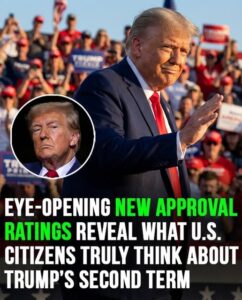
That tension shows up clearly in polling. A recent AP-NORC survey suggests the country remains deeply split, with overall approval holding fairly steady rather than surging. The poll found that about 40% of U.S. adults approve of Trump’s job performance, while 59% disapprove, numbers that have changed little since early in his return. Similar patterns appeared across major issues, including the economy, immigration, foreign policy, and trade, where approval stayed in the high 30s while disapproval remained above 60%. For now, the takeaway is hard to ignore: even as Trump projects confidence and victory, a majority of Americans remain unconvinced—and that gap continues to shape the political mood of his presidency.