The phone call came at 3:47 p.m. on a Tuesday. I was in the middle of a budget meeting, my laptop open to a spreadsheet of projected Q4 earnings, the air in the conference room stale with coffee and corporate speak. When my cell started vibrating across the mahogany table, creating a low, buzzing drill sound, everyone looked up.
Mrs. Patterson’s name flashed on the screen.
I froze. Mrs. Patterson lived two houses down from Metobrook Elementary, the school where my daughter Lily attended first grade. She was seventy-two, baked cookies for the neighborhood, and only called if something was burning or bleeding.
My stomach dropped before I even answered.
“Mrs. Patterson?” I answered, stepping away from the table.
“Your little girl is standing outside the school gates in this downpour,” Mrs. Patterson said, her voice tight with concern and a hint of outrage. “She’s absolutely drenched and crying her eyes out. I was walking my dog when I saw her. I think something happened with your parents.”
I grabbed my keys and bolted from that meeting without a word of explanation to my bewildered CEO. I didn’t care about the quarterly projections. I didn’t care about my career.
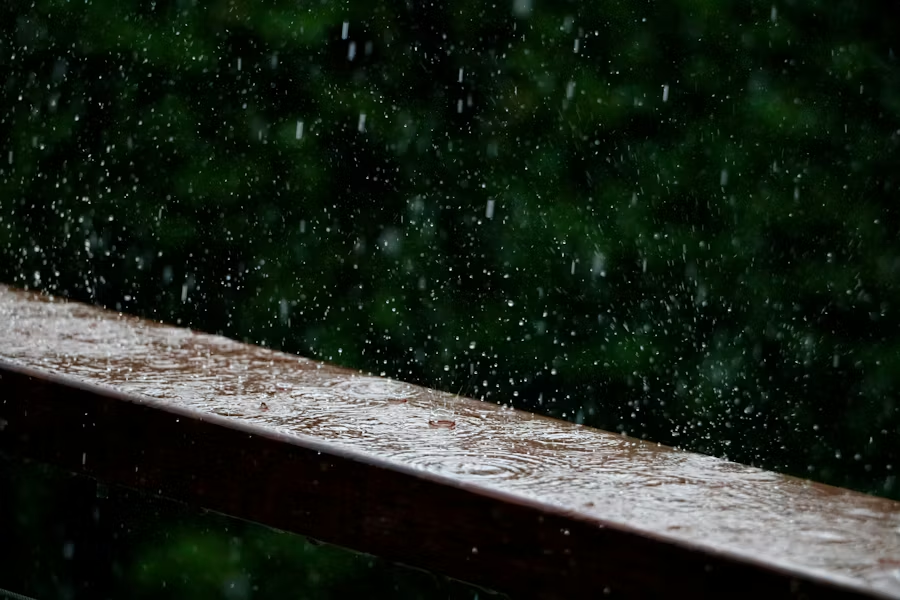
The drive to the school felt like it took hours instead of the twelve minutes it actually was. Rain hammered against my windshield so hard the wipers could barely keep up, a relentless gray curtain trying to keep me from my child. The sky was a bruised purple, lightning flashing in the distance.
All I could think about was Lily. Six years old. Standing alone. Wondering why nobody came for her.
When I pulled up to the school, the pickup lane was empty. The teachers had gone back inside. But there, near the brick archway, Mrs. Patterson was holding a large golf umbrella over a small, shaking figure.
Lily’s pink backpack was soaked through, the fabric dark with water. Her blonde hair was plastered to her small face in wet rat-tails. Her little body shook from the cold, and mascara‑like streaks of mud ran down her cheeks where she’d been crying and rubbing her eyes with dirty hands.
The moment she saw my car, she broke away from Mrs. Patterson and ran toward me.
“Mommy.”
Her voice cracked as I swept her into my arms. She felt so small and cold against me, like a little bird that had fallen out of a nest. Her clothes were sodden, chilling my own skin through my blouse.
“I’ve got you,” I whispered, burying my face in her wet hair. “I’ve got you.”
“Grandma and Grandpa left me here,” she sobbed, her chest heaving against mine. “I tried to get in the car, but Grandma told me to walk home like a stray dog.”
My blood turned to ice. The world seemed to tilt on its axis.
“What did you say?” I asked, pulling back to look at her face.
Through chattering teeth and fresh tears, Lily told me what happened.
My parents had arrived at pickup time like they’d agreed to do twice a week—an arrangement I paid them generously for, disguised as “gas money.” Lily had seen their silver SUV and ran toward it, excited to see them. She had a drawing to show them.
But when she reached for the door handle, my mother, Claudia, rolled down the window just enough to speak. She didn’t unlock the door.
“Walk home in the rain like a stray,” she’d said with a dismissive wave, as if shooing a fly.
My father, Raymond, had leaned across the driver’s seat to add his own contribution. “We don’t have room for you.”
Lily had begged them, rain already soaking through her jacket. “But Grandma, it’s pouring and it’s miles away. I don’t know the way.”
That’s when my sister Miranda appeared in the passenger seat. She wasn’t supposed to be there. Her face was twisted in that familiar smirk I’d grown to hate over the years—the look of the golden child who knows she has won. Her two children, Bryce and Khloe, sat dry and comfortable in the backseat, staring out at their cousin with blank expressions.
“My kids deserve the comfortable ride,” Miranda had said before my father drove away.
They’d left her there. My six‑year‑old daughter, standing in a thunderstorm, watching her grandparents’ taillights fade into the gray mist as they chose her cousins over her.
I thanked Mrs. Patterson profusely, promising to bake her a cake, to mow her lawn, anything. I got Lily into the car, cranking the heat as high as it would go. Her teeth wouldn’t stop chattering.
I drove home, barely seeing the road through my rage. It was a cold, white-hot fury that sharpened my vision and steadied my hands.
The history behind this betrayal stretched back years, woven through with patterns I’d been too accommodating to confront. My parents had always favored Miranda. She was the younger daughter, the one who stayed close to home, the one who gave them grandchildren first. When she married Quentyn five years ago, they treated it like a royal wedding. My own marriage to David three years later received polite applause at best.
But favoritism was one thing. This cruelty toward Lily crossed every line. It wasn’t just neglect; it was malice.
The Reckoning
After I got Lily into a warm bath and made her hot chocolate with extra marshmallows, after I dried her tears and promised her she’d never have to see them again if she didn’t want to, I sat down at my laptop in the study.
The house was quiet. David wasn’t home from work yet. It was just me and the hum of the computer.
The fury that had been building during the drive home crystallized into something sharp, cold, and purposeful. I wasn’t going to scream. I wasn’t going to call them and beg for an explanation.
I was going to execute a systematic dismantling of their comfort.
I opened my banking app and started reviewing transactions.
Over the past four years, I’d been making regular payments to support my parents. When my father retired early due to a workplace injury, his pension hadn’t been enough to maintain their lifestyle. They refused to downsize. They refused to cut back.
I’d stepped in without hesitation, because that’s what you do for family. Or so I thought.
Three thousand dollars monthly for their mortgage payment. Another eight hundred for their car payment—the payment for the SUV they had just driven away in. I’d been covering their health insurance premiums at six hundred a month, their homeowners association fees, their utility bills during winter months, even their damn country club membership so my mother could play tennis with her friends and maintain her social standing.
All told, I’d been sending them nearly sixty thousand dollars a year.
And Miranda? I’d been floating her, too.
When Quentyn’s contracting business hit a rough patch two years ago, I’d started helping with their kids’ private school tuition. Twelve thousand dollars per child per year. I covered Miranda’s car lease when she wanted to upgrade to a luxury SUV because “image matters.” I’d paid for family vacations that I wasn’t even invited on—trips where my parents took Miranda’s family to beach houses and mountain resorts while making excuses about limited space when I asked about joining.
The numbers swam before my eyes.
In total, I’d been providing nearly ninety thousand dollars annually in support to my parents and sister. Money I’d earned through brutal sixty-hour weeks at my consulting firm, climbing from junior analyst to senior director through sheer determination and grit.
I’d done it because I thought it made me a good daughter and sister. I’d done it because I wanted Lily to grow up seeing what family support looked like. I wanted to buy their love, if I was being honest. I wanted to pay enough to make them see me.
But leaving my daughter in a storm, telling her to walk home like a stray animal—that revealed what they really thought of us.
We were the bank. Nothing more.
My fingers moved across the keyboard.
I canceled the automatic payment for my parents’ mortgage.
I canceled the car payment transfer scheduled for the following week.
I removed them as beneficiaries from my life insurance and 401k.
I drafted an email to the insurance company removing myself as the policyholder for their health coverage.
I contacted the private school Miranda’s kids attended and informed them I would no longer be covering tuition effective immediately.
Every single financial connection I had to my parents and Miranda, I severed it. The whole process took less than thirty minutes.
Before I finished for the night, I pulled up my records going back four years. I wanted to see exactly how much I’d given them. I needed to see the number.
The spreadsheet I created made my stomach turn. Beyond the regular monthly payments, there were countless extras I’d forgotten about.
The emergency dental work for my father ($4,500). The roof repair on their house ($12,000). Miranda’s loan of $8,000 to cover Quentyn’s business expenses that was never repaid because it became a “gift” when I didn’t push for repayment. Christmas presents every year that cost hundreds per person because my mother had specific standards about gift‑giving. The family dinner bills I’d picked up dozens of times because my father would make a show of reaching for his wallet while everyone waited for me to say, “I’ve got it.”
The total came to over $370,000 across four years.
More than a third of a million dollars I’d handed over to people who had just traumatized my child.
I sat back in my chair, the number glowing on my laptop screen. That was a house down payment. That was Lily’s entire college education funded. That was financial security I’d traded away for the privilege of being treated like a walking ATM by my own family.
David came into the study around eleven p.m. and found me staring at the spreadsheet. He looked over my shoulder and let out a low whistle.
“Jesus Christ. I knew it was a lot, but…”
“I’ve been a fool,” I said quietly.
“No.” He turned my chair to face him. He crouched down, taking my hands. “You’ve been generous to people who didn’t deserve it. There’s a difference. You tried to be the glue.”
That night, I barely slept. I kept seeing Lily’s face in the rain. Kept hearing my mother’s words. Walk home like a stray.
The next morning, I took Lily to her favorite breakfast place before school. She ordered chocolate chip pancakes with extra whipped cream. She seemed more like herself, chattering about her friend Madison’s new puppy. But I saw the way she flinched when a silver SUV drove past the window.
“Mommy,” Lily said as we walked to the car. “Are Grandma and Grandpa mad at us?”
I knelt down to her level in the parking lot, ignoring the asphalt digging into my knees. “They made a bad choice, sweetie. Sometimes when grown‑ups make bad choices, there are consequences. But you didn’t do anything wrong. None of this is your fault.”
“But they left me in the rain. Grandma looked… mean.”
“I know. And that’s why we won’t be seeing them for a while. Maybe not ever. But that’s to keep you safe, okay? My job is to protect you.”
She hugged me tight. “I love you, Mommy.”
“I love you too, baby. So much.”
Then I sent a group text to my parents and sister.
After what you did to Lily today, every payment I’ve been making stops immediately. You’re on your own. Don’t contact me or my daughter again.
I turned off my phone after that. Lily needed me, and I wasn’t going to let their inevitable meltdown intrude on comforting my child.
The Fallout
The next morning, I had sixty‑three missed calls and over a hundred text messages. I scrolled through them while drinking my coffee, Lily still asleep upstairs.
My mother’s messages started apologetic. Honey, there’s been a misunderstanding. We didn’t mean to upset Lily. It was raining so hard we didn’t see her.
A lie.
Within an hour, the tone shifted. You can’t just cut us off like this. We’re your parents. We have bills due on Friday.
By evening, the messages turned desperate. The mortgage payment bounced. The bank is calling. You need to fix this right now.
My father’s texts followed a similar trajectory, from dismissive to panicked. Your mother overreacted. You’re being dramatic. Put the payments back through and we’ll talk about this like adults.
Then: This is financial abuse. You can’t do this to your own parents.
Miranda’s messages were the most entertaining. You’re such a vindictive [__]. My kids’ tuition is due and the school is threatening to unenroll them. How can you punish innocent children?
I didn’t respond to any of them. I blocked their numbers and went to work.
Work became my sanctuary during those first few weeks. My colleagues at Brighton Consulting knew something was happening but respected my privacy enough not to pry. My boss, Karen, pulled me aside one morning after I’d clearly been crying in the bathroom.
“Family emergency?” she asked gently.
“Family implosion,” I corrected. “But I’m handling it.”
“Take whatever time you need. Your projects are solid. We’ve got your back.”
That support meant everything. I threw myself into work with renewed focus. Without the constant background stress of managing my parents’ and sister’s financial crises, I found I could actually concentrate. The presentation I’d been struggling with for weeks came together in two days.
At home, David stepped up in ways that made me fall in love with him all over again. He took over Lily’s bedtime routine completely, giving me time to decompress. He screened all the calls coming to our landline and dealt with a few relatives who showed up at our door.
The financial pressure on my parents must have been immense. Within three weeks of me cutting them off, they tried to refinance their house. The application was denied due to my father’s limited income and poor credit history. The mortgage company started sending notices about missed payments.
I knew all this because my mother, in a moment of desperation, sent me copies of the notices with a handwritten note dropped in my mailbox. Please don’t let us become homeless over one mistake.
“One mistake.” That’s how she characterized leaving my daughter in a storm. One mistake.
My father tried a different approach. He showed up at my office building on a Friday afternoon, waiting in the parking garage by my car. I saw him before he saw me and considered calling security, but something made me approach instead. I needed to say it to his face.
“This is harassment,” I said, stopping ten feet away from him.
“This is desperation,” he countered. His face looked gaunt, his clothes rumpled. “Your mother is on antidepressants now. The stress is killing her.”
“The stress of losing her meal ticket, you mean?”
He flinched. “That’s not fair. What about everything we did for you growing up? Don’t we deserve some gratitude?”
“You mean the basic requirements of being a parent? Food, shelter, clothing? That’s not something I owe you payback for. That’s literally what you sign up for when you have children. I don’t owe you my adult income because you managed to keep me alive to eighteen.”
“We gave you more than the basics.”
“You gave Miranda more than the basics. You gave me the basics and a lifetime of feeling like I wasn’t good enough. But sure, let’s pretend you were parents of the year. Even if you were, that still doesn’t give you the right to abuse my child.”
“We didn’t abuse her.”
“You told a six‑year‑old to walk home alone in a thunderstorm. You looked into her eyes while she begged for help and you drove away. What do you call that?”
He had no answer. He stood there in the parking garage, an old man who’d run out of arguments.
Finally, he said, “You’re going to regret this. Family is everything.”
“Family is the people who show up for you. Family is the people who protect your children. You failed at both. Now get away from my car before I call security.”
He left, but the encounter shook me more than I wanted to admit. Seeing him look so beaten down triggered old patterns of guilt. For just a moment, I questioned everything.
That night, David found me crying in the bathroom.
“Second thoughts?”
“Guilt,” I admitted. “All those years of being trained to put them first. It doesn’t just go away.”
“Look at me.” He waited until I met his eyes. “You are not responsible for your parents’ financial situation. You are not obligated to light yourself on fire to keep them warm. And you are absolutely not required to maintain relationships with people who hurt our daughter. The guilt you’re feeling isn’t rational. It’s conditioning.”
He was right.
The Vandalism and the Video
Two weeks after I cut them off, Miranda’s kids were withdrawn from their private school. My mother posted dramatic updates on social media about how they might lose their home due to their ungrateful daughter’s cruelty. Several relatives reached out to scold me. I blocked them all.
Then came the escalation.
One morning, David went out to get the paper and came back in, his face pale.
“What is it?” I asked.
“Don’t go outside.”
I went outside.
Someone had keyed my car. Deep, jagged scratches ran down the entire driver’s side. And on the hood, scratched into the paint, was the word: SELFISH.
I stared at it. My breath caught in my throat.
We checked the security camera David’s father had installed.
The footage was grainy, but clear enough. It was 2:00 AM. A figure in a hoodie walked up the driveway. But it was the walk I recognized. The angry, stomping gait.
It was Quentyn. Miranda’s husband.
David wanted to call the police immediately. I hesitated. Sending my brother-in-law to jail felt like a nuclear option.
“He vandalized our property,” David said. “He came to our house while we were sleeping. This isn’t just about money anymore. It’s about safety.”
I nodded. “Call them.”
Quentyn was arrested that afternoon. He claimed he was just “blowing off steam.” Miranda screamed at the officers that it was my fault.
But the arrest did something else. It broke the siege. It showed them that I wasn’t just cutting off the money; I was cutting off the access. I was enforcing laws.

The Foreclosure
Three months after I cut off payments, my parents’ house went into foreclosure.
I didn’t find out from them. I found out from Zillow. I had set an alert on their address, a morbid curiosity. The listing popped up: Pre-Foreclosure Auction.
My mother sent me a final text from a number I hadn’t blocked yet.
I hope you’re happy. We’re losing everything because of you.
I replied once.
You lost everything the moment you drove away from your granddaughter in a storm. The house is just a consequence.
Then I blocked that number too.
Miranda and Quentyn moved into a smaller rental house across town. She had to get a job for the first time in years, working retail at a local boutique. The social media posts about her fabulous life stopped. So did the photos of expensive dinners and designer handbags.
My parents ended up moving into a small apartment in a less desirable part of town. The country club membership obviously ended. My mother’s tennis friends stopped calling. They downsized to one vehicle, a used sedan that replaced the SUV I’d been paying for.
I watched it all happen with zero regret.
A New Life
A year after everything happened, my life had settled into a new normal.
Lily thrived without the confused dynamic of grandparents who clearly favored her cousins. She made friends at school, excelled in her classes, and stopped having anxiety about family gatherings that never materialized.
David got a promotion that came with a substantial raise. Combined with the money I was no longer sending to my parents and sister, we were actually financially comfortable for the first time in our marriage.
We took Lily to Disney World, just the three of us.
The Disney trip was magical in ways that transcended the park itself. Watching Lily meet her favorite characters, seeing her face light up at the fireworks, holding her hand as we walked through the castle—these moments felt pure. There was no undercurrent of favoritism, no comparisons to cousins, no sense that she was somehow less deserving of joy and attention.
On our last night there, as Lily slept between us in the hotel room, David turned to me.
“We should have done this years ago.”
“We couldn’t afford it years ago.”
“We couldn’t afford it because you were funding your parents’ retirement and your sister’s lifestyle,” he corrected gently. “This is what life looks like when you invest in your actual family instead of people who take you for granted.”
He was right.
When we got back from vacation, there was a letter waiting at our house. It wasn’t in the mailbox. It was tucked into the screen door.
My mother’s handwriting on the envelope made my stomach clench.
David wanted to throw it away unopened. I convinced him to let me read it first, to know what we were dealing with.
The letter was six pages long.
She wrote about her childhood, her own difficult relationship with her parents, her struggles as a young mother. She talked about the pressure she’d felt to favor Miranda, the younger daughter who seemed more fragile, more in need of protection. She admitted that she’d taken me for granted, assuming I was strong enough not to need the same level of attention and support.
She acknowledged that this had been unfair.
Then she got to the incident with Lily.
She claimed she’d been having a particularly bad day, that Miranda had been complaining about me during the drive to the school, poisoning her thoughts. She said she wasn’t thinking clearly when she told Lily to walk home, that the words came out before she could stop them.
I see now how cruel it was, she wrote. I see how I hurt my granddaughter. I see how I failed both of you. I’m not asking you to forgive me or to resume helping us financially. I just want you to know that I understand what I did was wrong. I’m sorry.
I read the letter three times, looking for the catch. Looking for the manipulation, the request for money disguised as remorse.
But it wasn’t there.
The letter ended with:
I love you and I’m sorry. That’s all I wanted to say.
I set the letter on the kitchen counter and stared at it for a long time.
David came up behind me, reading over my shoulder.
“What do you think?” he asked.
“I think it’s probably genuine. I also think it’s too late.”
“Does she deserve a response?”
That was the question, wasn’t it?
Lily asked what it was. I told her it was something from Grandma, but nothing she needed to worry about. She nodded and went back to her homework, unbothered.
That response told me everything I needed to know.
Lily had moved on. She wasn’t sitting around missing her grandparents or hoping for reconciliation. She was happy, secure, thriving in an environment where she knew she was loved and valued.
Opening the door to my mother again, even just for conversation, would destabilize that security. It would reintroduce uncertainty and anxiety into my daughter’s life.
And for what? So my mother could feel absolved? So I could feel like I’d been generous and forgiving?
No.
Lily’s peace was worth more than my mother’s comfort.
I didn’t respond to the letter. I filed it away in a box in the attic.
My parents and Miranda faded into background noise, people I used to know, a chapter of my life that had closed.
Sometimes people asked about them—extended family at events I couldn’t avoid. I kept my answers brief and noncommittal. The people who mattered knew the truth. Everyone else didn’t need to know anything.
The rain doesn’t bother Lily anymore.
She splashes in puddles, laughs during thunderstorms, and doesn’t flinch when dark clouds roll in. She’s resilient in a way I hope she never has to be again.
And me?
I sleep well at night knowing I chose right.
I chose the child who needed protection over the adults who demanded support while offering nothing but pain in return.
I chose boundaries over obligations.
I chose my real family over people who only claimed the title when they wanted something.
They’re still out there somewhere, living with the consequences of their choices.
And I’m here, living with a peace that came from finally putting myself and my daughter first.
That’s not revenge. That’s freedom.
Let us know what you think about this story on the Facebook video! If you like this story share it with friends and family.