Republican Senator Bernie Moreno of Ohio, a Colombian-born naturalized U.S. citizen who took the oath of allegiance at the age of 18, has formally introduced a bill in the Senate called the Exclusive Citizenship Act of 2025.
This proposed legislation seeks to fundamentally change U.S. citizenship law by abolishing dual nationality for American citizens.
Under the bill: No American citizen would be allowed to hold citizenship in another country simultaneously.
Citizens who currently hold dual nationality would be given a one-year grace period after the bill’s enactment to formally renounce their non-U.S. citizenship.
Failure to do so would automatically be considered as voluntarily relinquishing U.S. citizenship.
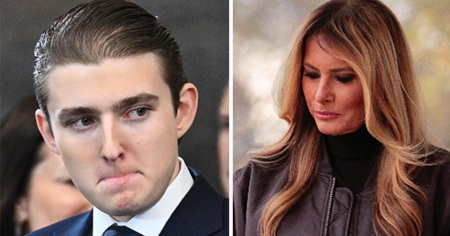
Supporters, including Moreno himself, argue the law is necessary to enforce “exclusive allegiance” to the United States, eliminating potential conflicts of interest or divided loyalties.
Why the Bill Has Sparked Controversy
The proposal has drawn immediate attention, criticism, and debate for several reasons:
1. Large Numbers of Americans Could Be Affected
Dual citizenship is widespread among immigrants, children of immigrants, naturalized citizens, and Americans with international backgrounds.
Experts estimate hundreds of thousands, possibly more, could face the difficult choice of renouncing a foreign nationality or losing U.S. citizenship.
2. Legal and Constitutional Challenges
For decades, U.S. courts have recognized the right to hold dual nationality. Critics argue that a law that automatically revokes citizenship could violate constitutional protections, including due process. Some legal scholars warn that Moreno’s bill could face immediate challenges in federal courts if passed.
3. Practical Complications
Dual citizenship is more than a legal status; it often facilitates travel, family connections, international work opportunities, and cultural engagement.
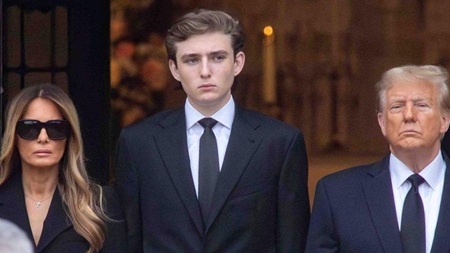
Forcing citizens to choose could disrupt careers, education, and family life, particularly for Americans with international commitments.
4. Impact on Immigrant and Diaspora Communities
Critics argue that the legislation disproportionately affects immigrant families and American communities with global ties.
It raises difficult questions about identity, cultural heritage, and what it truly means to belong to a nation.
How Melania and Barron Trump Could Be Directly Affected
One of the most high-profile implications of this legislation is its potential effect on the Trump family:
Melania Trump: Born in Slovenia, she became a U.S. citizen in July 2006 via an EB-1 visa, reserved for immigrants with extraordinary ability and national acclaim. Public records indicate she retains Slovenian citizenship.
Barron Trump: The youngest Trump child, born in the U.S., reportedly holds Slovenian citizenship through his mother.
His family has intentionally maintained this connection, and he is said to have spoken with a Slovenian accent as a child, reflecting his close ties to Slovenia.
If the bill becomes law:
Both Melania and Barron would be legally required to renounce their Slovenian citizenship formally.
Failure to do so would place their U.S. citizenship at risk, creating a high-profile constitutional and political dilemma.
Even some supporters of Moreno’s bill have expressed concern about its reach.
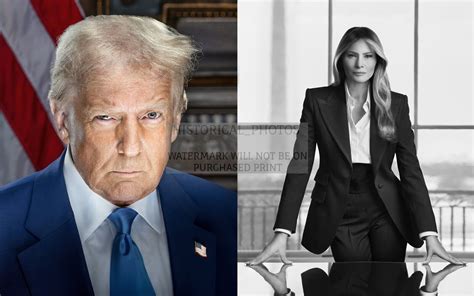
Melania’s former immigration lawyer called the legislation “preposterous”, noting that dual citizenship has been widely recognized and legally permitted for decades.
The lawyer also highlighted that several past U.S. presidents and public officials have held dual nationality.
The Larger Political and Social Context
This legislation comes amid a broader political environment characterized by stricter immigration policies and renewed emphasis on national loyalty. Proponents argue the law:
Strengthens national security
Ensures citizens’ full commitment to the United States
Promotes an all-or-nothing approach to citizenship
Critics counter that the law:
Undermines America’s long-standing reputation as a nation open to immigrants
Ignores the realities of Americans’ international ties and family networks
Risks infringing on civil liberties and constitutional protections
Conclusion — A Bill With Far-Reaching Implications
Senator Moreno’s Exclusive Citizenship Act of 2025 is more than a legislative proposal — it is a conversation starter about identity, loyalty, and what it means to be American in a globalized world.
If enacted, it could force American citizens — from everyday immigrants to high-profile figures like Melania and Barron Trump — to make difficult choices about nationality and belonging.
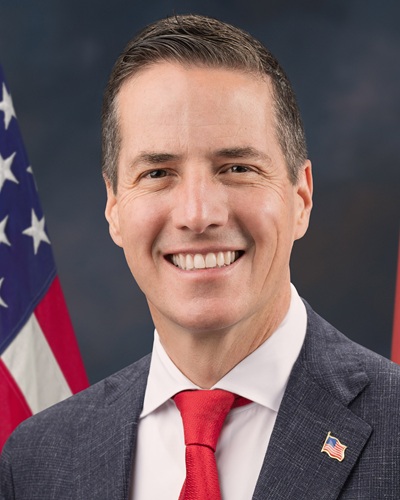
While supporters frame it as a matter of national allegiance, opponents argue it could alienate immigrant communities, disrupt international families, and provoke constitutional challenges.
Ultimately, the bill reflects deep political and cultural debates:
the balance between national loyalty and global citizenship, the role of heritage in American identity, and the intersection of immigration, law, and public policy.
For the Trumps, this legislation could turn a private matter of family nationality into a public and politically charged decision, placing the former First Lady and her son at the center of a national debate.
Republican Senator Bernie Moreno of Ohio, a Colombian-born naturalized U.S. citizen who took the oath of allegiance at the age of 18, has formally introduced a bill in the Senate called the Exclusive Citizenship Act of 2025.
This proposed legislation seeks to fundamentally change U.S. citizenship law by abolishing dual nationality for American citizens.
Under the bill: No American citizen would be allowed to hold citizenship in another country simultaneously.
Citizens who currently hold dual nationality would be given a one-year grace period after the bill’s enactment to formally renounce their non-U.S. citizenship.
Failure to do so would automatically be considered as voluntarily relinquishing U.S. citizenship.
Supporters, including Moreno himself, argue the law is necessary to enforce “exclusive allegiance” to the United States, eliminating potential conflicts of interest or divided loyalties.
Why the Bill Has Sparked Controversy
The proposal has drawn immediate attention, criticism, and debate for several reasons:
1. Large Numbers of Americans Could Be Affected
Dual citizenship is widespread among immigrants, children of immigrants, naturalized citizens, and Americans with international backgrounds.
Experts estimate hundreds of thousands, possibly more, could face the difficult choice of renouncing a foreign nationality or losing U.S. citizenship.
2. Legal and Constitutional Challenges
For decades, U.S. courts have recognized the right to hold dual nationality. Critics argue that a law that automatically revokes citizenship could violate constitutional protections, including due process. Some legal scholars warn that Moreno’s bill could face immediate challenges in federal courts if passed.
3. Practical Complications
Dual citizenship is more than a legal status; it often facilitates travel, family connections, international work opportunities, and cultural engagement.
Forcing citizens to choose could disrupt careers, education, and family life, particularly for Americans with international commitments.
4. Impact on Immigrant and Diaspora Communities
Critics argue that the legislation disproportionately affects immigrant families and American communities with global ties.
It raises difficult questions about identity, cultural heritage, and what it truly means to belong to a nation.
How Melania and Barron Trump Could Be Directly Affected
One of the most high-profile implications of this legislation is its potential effect on the Trump family:
Melania Trump: Born in Slovenia, she became a U.S. citizen in July 2006 via an EB-1 visa, reserved for immigrants with extraordinary ability and national acclaim. Public records indicate she retains Slovenian citizenship.
Barron Trump: The youngest Trump child, born in the U.S., reportedly holds Slovenian citizenship through his mother.
His family has intentionally maintained this connection, and he is said to have spoken with a Slovenian accent as a child, reflecting his close ties to Slovenia.
If the bill becomes law:
Both Melania and Barron would be legally required to renounce their Slovenian citizenship formally.
Failure to do so would place their U.S. citizenship at risk, creating a high-profile constitutional and political dilemma.
Even some supporters of Moreno’s bill have expressed concern about its reach.
Melania’s former immigration lawyer called the legislation “preposterous”, noting that dual citizenship has been widely recognized and legally permitted for decades.
The lawyer also highlighted that several past U.S. presidents and public officials have held dual nationality.
The Larger Political and Social Context
This legislation comes amid a broader political environment characterized by stricter immigration policies and renewed emphasis on national loyalty. Proponents argue the law:
Strengthens national security
Ensures citizens’ full commitment to the United States
Promotes an all-or-nothing approach to citizenship
Critics counter that the law:
Undermines America’s long-standing reputation as a nation open to immigrants
Ignores the realities of Americans’ international ties and family networks
Risks infringing on civil liberties and constitutional protections
Conclusion — A Bill With Far-Reaching Implications
Senator Moreno’s Exclusive Citizenship Act of 2025 is more than a legislative proposal — it is a conversation starter about identity, loyalty, and what it means to be American in a globalized world.
If enacted, it could force American citizens — from everyday immigrants to high-profile figures like Melania and Barron Trump — to make difficult choices about nationality and belonging.
While supporters frame it as a matter of national allegiance, opponents argue it could alienate immigrant communities, disrupt international families, and provoke constitutional challenges.
Ultimately, the bill reflects deep political and cultural debates:
the balance between national loyalty and global citizenship, the role of heritage in American identity, and the intersection of immigration, law, and public policy.
For the Trumps, this legislation could turn a private matter of family nationality into a public and politically charged decision, placing the former First Lady and her son at the center of a national debate.