The world of baseball recently bid farewell to one of its most respected figures. Hall of Fame second baseman Bill Mazeroski passed away at the age of 89.
Leaving behind a remarkable legacy that helped define an era of Major League Baseball. Known for his extraordinary defensive skill, leadership.
And one of the most iconic moments in baseball history, Mazeroski’s influence on the game continues to resonate decades after his retirement. Mazeroski will forever be remembered for a single swing that changed baseball history.
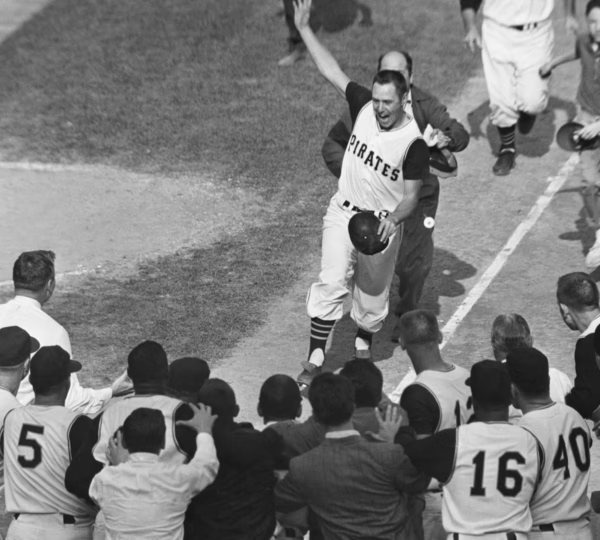
On October 13, 1960, during Game 7 of the 1960 World Series, he hit a dramatic walk-off home run that secured a 10–9 victory for the Pittsburgh Pirates over the New York Yankees.
That moment remains the only walk-off home run ever hit in a Game 7 of the World Series, making it one of the most unforgettable plays in the history of the sport.
Beyond that legendary home run, Mazeroski built a career defined by excellence, loyalty, and defensive brilliance. Over the course of 17 seasons, he established himself as one of the finest fielding second basemen in Major League Baseball history.
Early Life and Humble Beginnings
Bill Mazeroski was born on September 5, 1936, in Wheeling, a city known for its hardworking communities and strong local sports culture.
Growing up in a modest environment, Mazeroski developed a deep love for baseball at a young age. His family eventually moved to Pennsylvania, where he spent much of his childhood.
From an early age, Mazeroski showed exceptional athletic ability. He excelled not only in baseball but also in basketball during his school years.
However, baseball quickly became his greatest passion. His quick reflexes, strong arm, and instinctive understanding of the game set him apart from other young players.
After graduating from high school, Mazeroski signed with the Pittsburgh Pirates organization as a teenager. At the time, the Pirates were building a farm system aimed at developing young talent.
Mazeroski spent several seasons in the minor leagues, where he refined his skills and gained experience that would prepare him for the major leagues.
Arrival in Major League Baseball
Mazeroski made his Major League debut with the Pirates in 1956. Although he was still very young, his defensive abilities immediately stood out.
Managers and teammates quickly noticed his extraordinary range at second base and his ability to turn difficult plays into routine outs.
During the late 1950s, the Pirates were developing into a competitive team, and Mazeroski became a crucial part of their infield. His partnership with shortstop Dick Groat formed one of the most reliable double-play combinations in the league.
Mazeroski was not known primarily for his offensive statistics. While he was a capable hitter, his greatest value came from his glove.
Baseball experts often described him as one of the most dependable defensive players in the game. His quick reactions, strong throwing arm, and near-perfect timing when turning double plays made him an essential part of Pittsburgh’s success.
Defensive Excellence and Gold Glove Dominance
Throughout his career, Mazeroski built a reputation as a defensive master. He won eight Gold Glove Awards, recognizing him as the best defensive second baseman in Major League Baseball during those seasons.
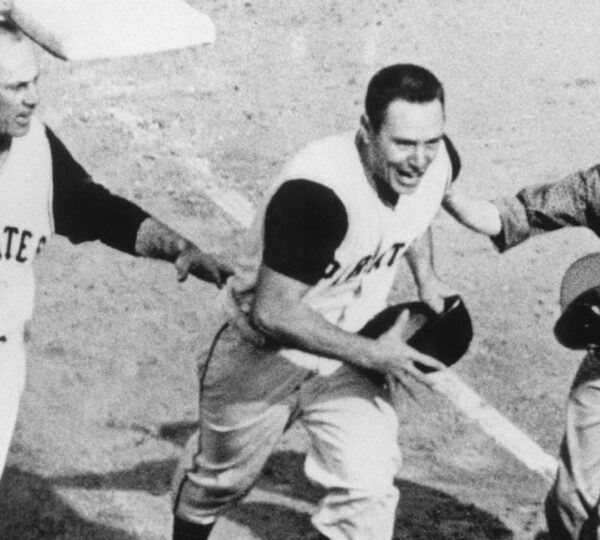
His defensive statistics were impressive, but numbers alone could not fully capture his skill. Mazeroski possessed an extraordinary sense of anticipation.
He seemed to know where the ball would be hit even before the batter made contact. This ability allowed him to position himself perfectly and make plays that many other players would have considered impossible.
Teammates frequently praised his reliability. Pitchers, in particular, valued having Mazeroski behind them on the field because they knew that ground balls had a much higher chance of becoming outs.
Perhaps most impressive was his skill in turning double plays. Executing a double play requires coordination, timing, and courage, especially when runners slide aggressively into second base.
Mazeroski performed this maneuver with remarkable precision, helping the Pirates escape countless difficult situations.
The Historic Moment: Game 7 of the 1960 World Series
Although Mazeroski’s defensive brilliance defined his career, one swing of the bat secured his place in baseball immortality.
The 1960 World Series between the Pittsburgh Pirates and the New York Yankees was already one of the most dramatic championship series ever played.
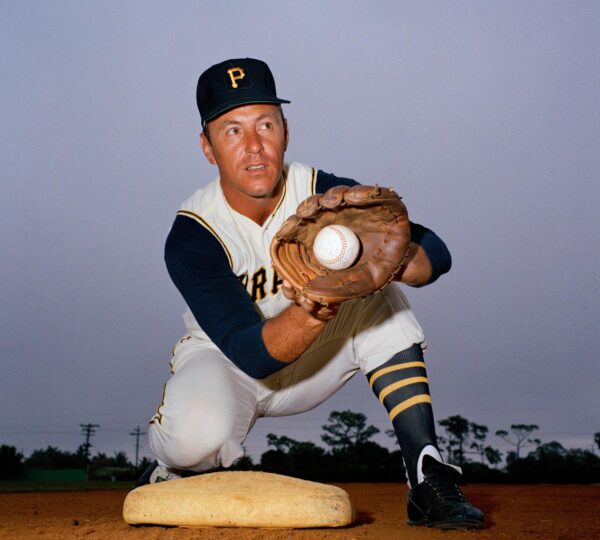
The Yankees had dominated several games offensively, but the Pirates managed to keep the series competitive.
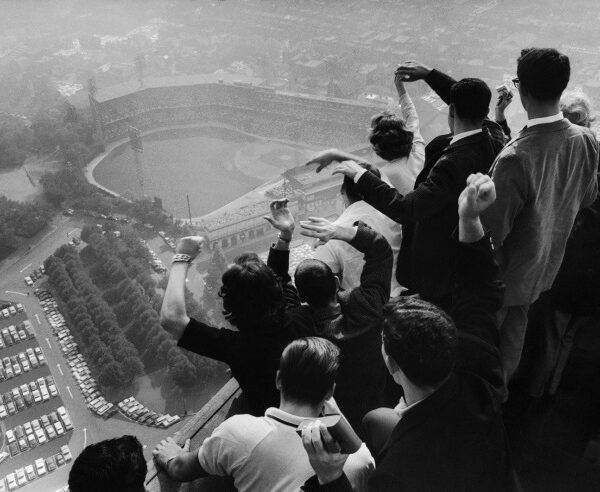
By the time Game 7 arrived at Forbes Field, fans were expecting a tense battle. The game quickly turned into an offensive showdown, with both teams trading runs throughout the afternoon.
As the game entered the bottom of the ninth inning, the score was tied at 9–9. Mazeroski stepped up to the plate as the leadoff batter.
Facing Yankees pitcher Ralph Terry, Mazeroski connected with the ball and sent it soaring toward the left-field wall. The crowd erupted as the ball cleared the fence. In an instant, the Pirates had won the championship.
The stadium exploded with celebration as fans rushed the field. That home run remains the only walk-off homer ever hit to end a Game 7 of the World Series.
More than six decades later, baseball historians still consider it one of the greatest moments in sports history.
Continued Success with the Pirates
Mazeroski spent his entire 17-year Major League career with the Pittsburgh Pirates, an uncommon achievement in modern professional sports.
His loyalty to one organization helped make him one of the most beloved players in Pittsburgh sports history.
During his career, Mazeroski was selected to 10 All-Star Games, a testament to the respect he earned from fellow players, managers, and fans across the league.
He also played a significant role in helping the Pirates win another championship in the 1971 World Series. Although he was in the later stages of his career at that point, his leadership and experience provided valuable stability for the team.
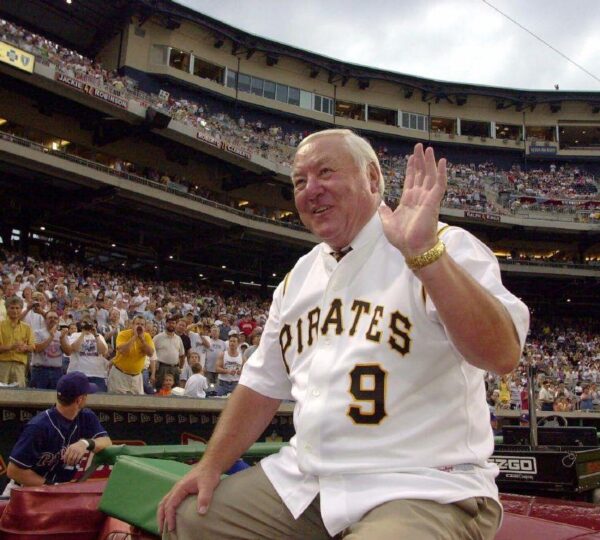
Mazeroski retired after the 1972 season, concluding a career that combined consistency, professionalism, and unforgettable moments.
Recognition and Hall of Fame Induction
For many years after his retirement, fans and analysts debated whether Mazeroski’s defensive greatness outweighed his modest offensive statistics when considering him for the Hall of Fame.
Ultimately, his impact on the game proved impossible to ignore. In 2001, the National Baseball Hall of Fame honored Mazeroski with induction through the Veterans Committee.
The decision reflected the growing appreciation for defensive excellence in baseball history. Mazeroski’s contributions went far beyond batting averages and home run totals.
He demonstrated how elite defense could change games and help teams win championships. During his Hall of Fame induction speech, Mazeroski expressed deep gratitude to his teammates, coaches, and the city of Pittsburgh.
He emphasized that baseball had always been a team sport and credited the people around him for helping him succeed.
A Beloved Figure in Pittsburgh
In Pittsburgh, Mazeroski became more than just a baseball player. He was a local hero and a symbol of the city’s proud sports tradition.
The Pirates organization and the community continued to honor him long after his playing career ended. One of the most visible tributes is the statue of Mazeroski outside PNC Park, commemorating his famous 1960 home run.
Fans visiting the stadium often stop to take photographs beside the statue, remembering the moment that defined a generation of baseball.
Mazeroski also remained involved with the Pirates organization for many years, attending events and connecting with fans who admired his contributions to the team’s history.
Legacy in Baseball History
Bill Mazeroski’s legacy extends far beyond a single historic home run. He helped redefine how defensive excellence is valued in baseball.
Modern analytics and advanced statistics have confirmed what fans and teammates already knew: Mazeroski was one of the greatest defensive second basemen ever to play the game.
His career demonstrated that success in baseball is not determined solely by offensive numbers. Defense, teamwork, and consistency are equally essential components of a championship team.
Today, many young infielders study Mazeroski’s techniques when learning how to turn double plays or position themselves defensively. His style of play continues to influence how the position of second base is taught.
Remembering a True Baseball Legend
As the baseball world reflects on the life of Bill Mazeroski, it becomes clear that his story is one of dedication, perseverance, and historic achievement.
He represented an era when players often spent their entire careers with one team and built lasting relationships with fans and communities.
From his humble beginnings in Wheeling to his unforgettable moment in the 1960 World Series, Mazeroski’s journey captured the spirit of baseball itself.
For generations of fans, his walk-off home run will always symbolize the thrill and unpredictability of the game. But those who watched him regularly understood that his greatness went much deeper than a single moment.
His steady glove, quiet leadership, and loyalty to the Pittsburgh Pirates made him one of the most respected players of his time.
Although Bill Mazeroski is no longer with us, his contributions to baseball history remain permanent. His story continues to inspire players, fans, and historians who celebrate the timeless beauty of America’s national pastime.