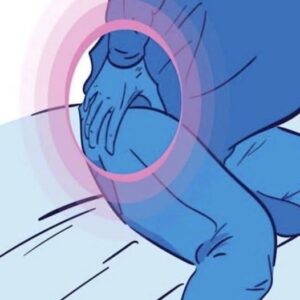
When a hip begins to squeak, grind, click, or pop, it can feel alarming or easy to dismiss. Yet the hip is a key weight-bearing joint, and unusual sensations often signal that the cartilage is not functioning properly. Friction between joint surfaces can irritate tissues, alter movement, and eventually cause pain or stiffness. Recurring noises paired with discomfort or reduced mobility should not be ignored, as early signs often appear before severe symptoms develop. Conditions like early-stage osteoarthritis, labral tears, or joint inflammation can all produce these sensations.
Seeking medical evaluation early is crucial. Joint issues can affect people of many ages, particularly those who are active, have prior injuries, or perform repetitive movements. Orthopedic doctors or sports medicine specialists can assess hip function and use imaging like X-rays or MRI to identify cartilage thinning, inflammation, or soft tissue injuries. Early diagnosis allows interventions—physical therapy, activity modifications, and targeted exercises—to be more effective, slowing progression and reducing discomfort.
Lifestyle factors influence hip health. Body weight significantly affects joint load, with even modest reductions decreasing pressure on the hip. Daily habits such as prolonged sitting, poor posture, and unsupportive footwear can strain the joint. Adjusting posture, moving regularly, and wearing supportive shoes can help, while a balanced diet supports tissue health, muscle strength, and inflammation control.
Movement is both a challenge and a solution. High-impact activities can worsen symptoms, but avoiding exercise entirely is counterproductive. Low-impact options like swimming, cycling, and walking promote mobility, improve circulation, and support joint health without excessive strain.
Muscle strength and balance are vital. Strong glutes, core, and thigh muscles stabilize the hip and distribute forces evenly. Weakness can increase joint stress and discomfort. Exercises like bridges, side leg raises, and controlled hip movements, guided by a physical therapist, improve stability and confidence in movement.
Long-term hip health requires attention, patience, and informed choices. Early symptoms can be managed with medical guidance, lifestyle adjustments, and proper exercise.
Listening to your body, responding early, and making consistent, thoughtful choices help preserve mobility and independence.
Small, gradual efforts often matter more than dramatic changes. Caring for the hips today can ensure comfort, strength, and confidence in movement tomorrow.