Shrimp is one of the most widely enjoyed seafood ingredients in the world. From quick weeknight dinners to elegant restaurant dishes, it offers a unique combination of delicate flavor, quick cooking time, and impressive nutritional value. It appears in cuisines across the globe—from spicy Southeast Asian stir-fries and Mediterranean seafood pastas to classic American shrimp cocktails and Cajun-inspired gumbo.
Yet despite its popularity, many home cooks still feel uncertain when handling raw shrimp. One of the most common questions centers around the small dark line running along the shrimp’s back, often referred to as the “black vein.” For beginners, that line can look unappealing or confusing. Is it dangerous? Does it affect flavor? Should you remove it every time?
Understanding the answer to those questions can dramatically improve your cooking results. In fact, learning how to properly clean and prepare shrimp is one of the easiest ways to elevate your seafood dishes at home.
In this comprehensive guide, you’ll learn:
-
What the black vein actually is
-
Whether you should remove it before cooking
-
How to clean and devein shrimp properly
-
Tips for choosing the best quality shrimp at the store
-
Common mistakes people make when cooking shrimp
-
The nutritional benefits of shrimp
-
Several cooking techniques that highlight its flavor
By the end, you’ll have the confidence to select, prepare, and cook shrimp like a professional chef.
Understanding Shrimp: A Global Culinary Favorite
Shrimp are small crustaceans that live in oceans, rivers, and coastal waters around the world. Because they reproduce quickly and are relatively abundant, shrimp have become one of the most widely traded seafood products internationally.
Their appeal comes from several characteristics:
-
Mild, slightly sweet flavor that pairs well with many ingredients
-
Tender texture when cooked properly
-
Fast cooking time—usually only a few minutes
-
Versatility across cuisines
-
High protein and low calorie content
In culinary traditions around the world, shrimp appear in an incredible variety of dishes.
In Mediterranean cooking, shrimp may be sautéed with garlic, olive oil, and lemon. In Southeast Asia, they appear in spicy curries or noodle dishes. Latin American cuisine features shrimp ceviche, while American coastal cooking often highlights grilled shrimp, shrimp boils, and creamy shrimp pasta.
Despite these differences, nearly every cuisine agrees on one thing: proper preparation is key to delicious shrimp.
What Is the Black Vein in Shrimp?
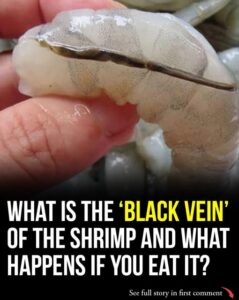
One of the first things people notice when preparing shrimp is the thin black line running along its back.
Despite the common nickname “vein,” it is not actually a blood vessel.
The black line is the shrimp’s digestive tract, sometimes referred to informally as the shrimp’s intestinal tract. In simple terms, it contains the material the shrimp has eaten but not yet digested.
While that description may sound unpleasant, it is important to understand that the vein is generally harmless. Eating shrimp with the vein still inside will not typically make you sick.
However, there are a few reasons many chefs choose to remove it.
Why the Vein Exists
Shrimp are filter feeders, meaning they consume small particles from the ocean such as algae, plankton, and organic debris. The digestive tract carries these particles through the shrimp’s body.
Depending on the shrimp’s diet, the vein can vary in color:
-
Dark brown or black
-
Grayish
-
Light tan
-
Nearly invisible in smaller shrimp
Wild shrimp often have darker veins because of their natural diet. Farm-raised shrimp sometimes have lighter veins due to controlled feeding.
Is It Safe to Eat?
Yes, the vein is generally safe to eat.
Many restaurants and seafood markets serve shrimp that has not been deveined, especially when the shrimp are small or heavily seasoned.
However, the vein can sometimes contain grit or sand, which may affect the taste and texture of a dish.
Why Many Cooks Remove the Vein
Even though eating the vein is usually safe, most professional chefs and experienced home cooks still prefer to remove it.
There are three main reasons for this.
1. Better Flavor
Sometimes the digestive tract contains small particles of sand or partially digested food.
If left inside, this can cause a slightly bitter or gritty taste.
Removing the vein ensures a cleaner, sweeter shrimp flavor.
2. Improved Texture
If sand or grit remains inside the shrimp, it may create an unpleasant crunch when you bite into it.
Deveining eliminates that risk.
3. Better Presentation
For dishes where shrimp are visible—such as shrimp cocktails, salads, or grilled skewers—the dark line can look unappetizing.
Clean, deveined shrimp appear more polished and restaurant-quality.
Because of this, many chefs recommend deveining shrimp whenever presentation matters.
When Deveining Might Not Be Necessary
Although deveining is often recommended, it isn’t always required.
There are situations where removing the vein makes little difference.
Small Shrimp
Very small shrimp often have veins that are too thin to notice.
In dishes like shrimp fried rice or pasta, the vein rarely affects flavor.
Heavily Seasoned Dishes
Recipes with bold flavors—such as Cajun shrimp, curry, or gumbo—often mask any subtle taste differences.
Pre-Cleaned Shrimp
Many grocery stores sell shrimp that are already peeled and deveined.
These are convenient for quick meals.
Personal Preference
Ultimately, whether to remove the vein comes down to personal preference.
Some cooks always remove it, while others only do so for larger shrimp.
Step-by-Step Guide to Deveining Shrimp


Learning to devein shrimp is simple and only takes a few seconds per shrimp once you get the hang of it.
Step 1: Rinse the Shrimp
Place the shrimp under cold running water.
This removes surface dirt or debris.
Step 2: Peel the Shell (Optional)
If your recipe requires peeled shrimp:
-
Pull off the legs
-
Crack the shell along the belly
-
Remove the shell while leaving the tail if desired
Many recipes leave the tail attached for presentation.
Step 3: Make a Shallow Cut
Use a small paring knife or shrimp deveining tool.
Cut a shallow line along the back of the shrimp, from head end to tail.
You do not need to cut deeply—just enough to expose the vein.
Step 4: Remove the Vein
Using the tip of the knife or your fingers, gently lift out the dark line.
Sometimes it will come out in one piece.
Other times it may break into sections.
Step 5: Rinse Again
Rinse the shrimp again under cold water to wash away any remaining debris.
Step 6: Dry Before Cooking
Pat the shrimp dry with paper towels.
Dry shrimp sear better and develop more flavor when cooked.
Helpful Tools for Cleaning Shrimp
While a small knife works perfectly well, several kitchen tools can make shrimp preparation even easier.
Shrimp Deveiner
A small curved tool designed specifically to remove the vein quickly.
Kitchen Shears
Some cooks prefer scissors to cut the shrimp shell and expose the vein.
Toothpick Trick
Inserting a toothpick beneath the vein can pull it out easily without cutting deeply.
These tools are optional, but they can speed up preparation when cooking large batches.
Choosing the Best Shrimp at the Store
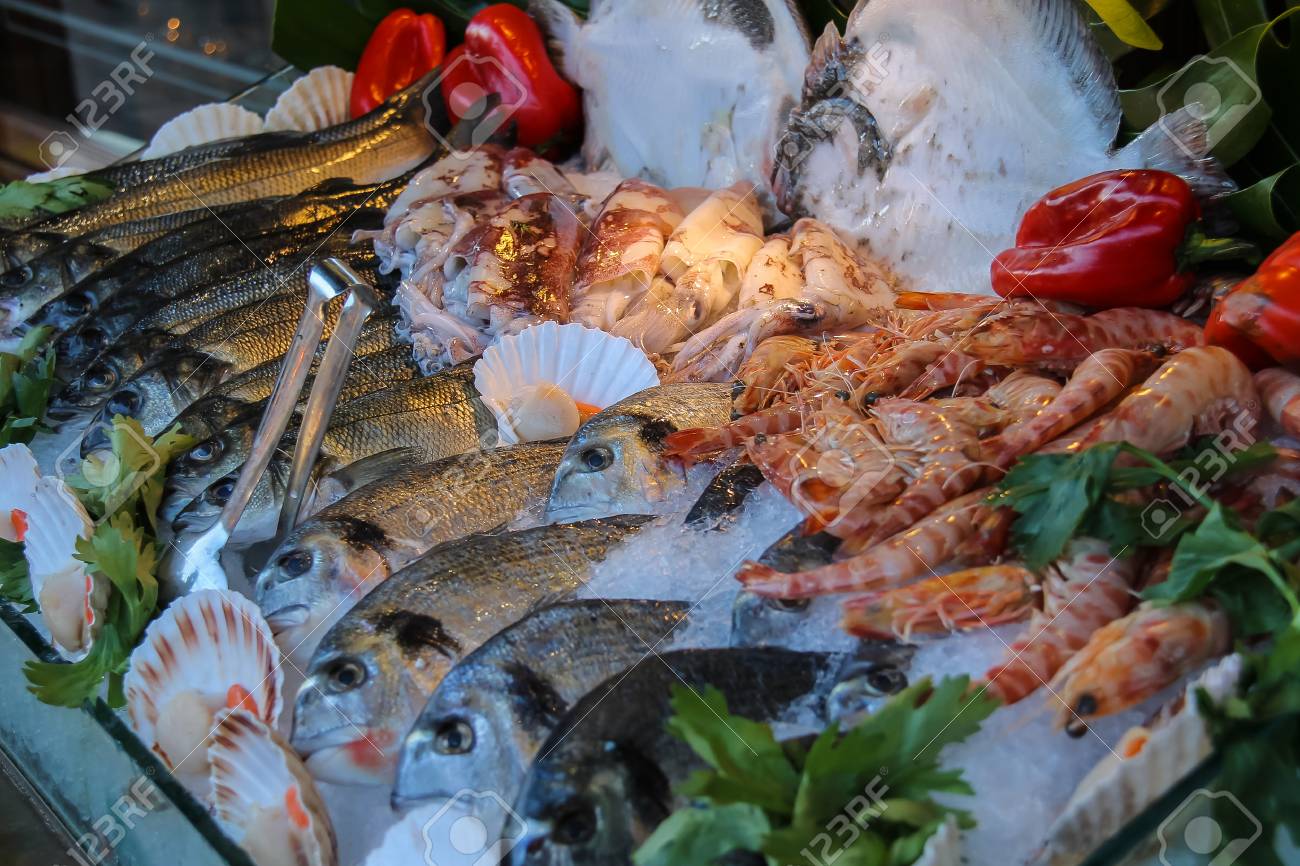

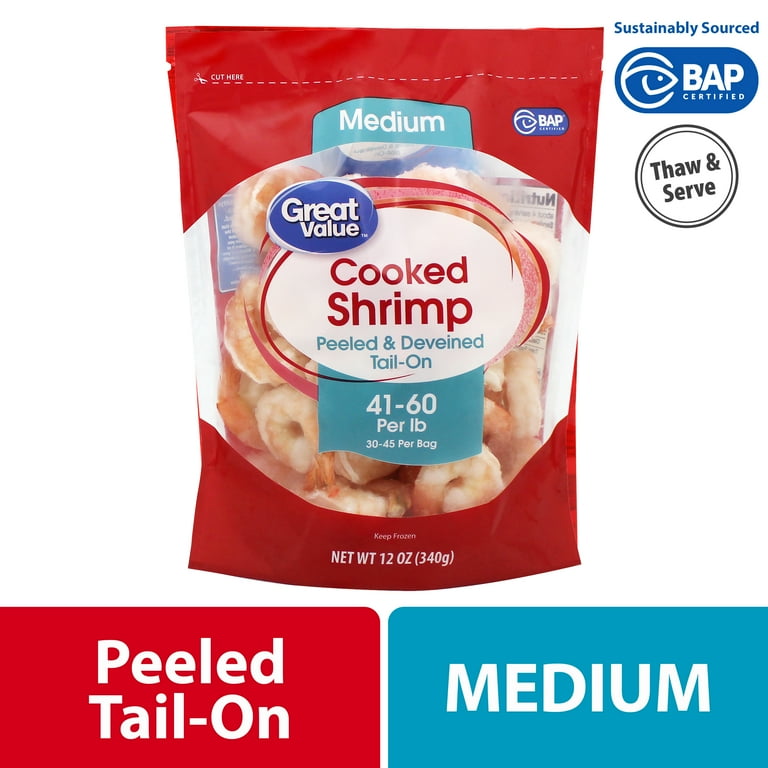
Great shrimp dishes begin with high-quality shrimp. Learning how to choose the best shrimp at the market is essential.
Fresh vs Frozen Shrimp
Many people assume fresh shrimp are always better.
In reality, most shrimp sold as “fresh” were previously frozen and thawed.
Flash-frozen shrimp often retain excellent quality.
Signs of Good Shrimp
Look for shrimp that have:
-
A clean ocean smell
-
Firm, springy flesh
-
Shiny shells
-
No strong ammonia odor
Avoid shrimp that appear slimy or smell strongly.
Shell-On vs Peeled
Shell-on shrimp tend to retain more flavor during cooking.
Peeled shrimp are more convenient for quick meals.
Wild-Caught vs Farm-Raised
Both options have advantages.
Wild-caught shrimp often have stronger flavor.
Farm-raised shrimp are typically more consistent in size and availability.
For sustainability, look for certifications from responsible seafood organizations.
Common Shrimp Cooking Mistakes
Even experienced cooks occasionally make mistakes with shrimp.
Because shrimp cook so quickly, small errors can affect the final result.
Overcooking
This is the most common mistake.
Shrimp become rubbery and tough when overcooked.
They are done when they:
-
Turn opaque
-
Form a loose “C” shape
-
Reach an internal temperature of about 120–125°F
Cooking Wet Shrimp
If shrimp are too wet, they will steam instead of sear.
Always dry them before cooking.
Crowding the Pan
Too many shrimp in the pan lowers the temperature.
This prevents proper browning.
Cook in batches if necessary.
Improper Thawing
Never thaw shrimp at room temperature.
Instead:
-
Thaw overnight in the refrigerator, or
-
Place them under cold running water
Popular Ways to Cook Shrimp
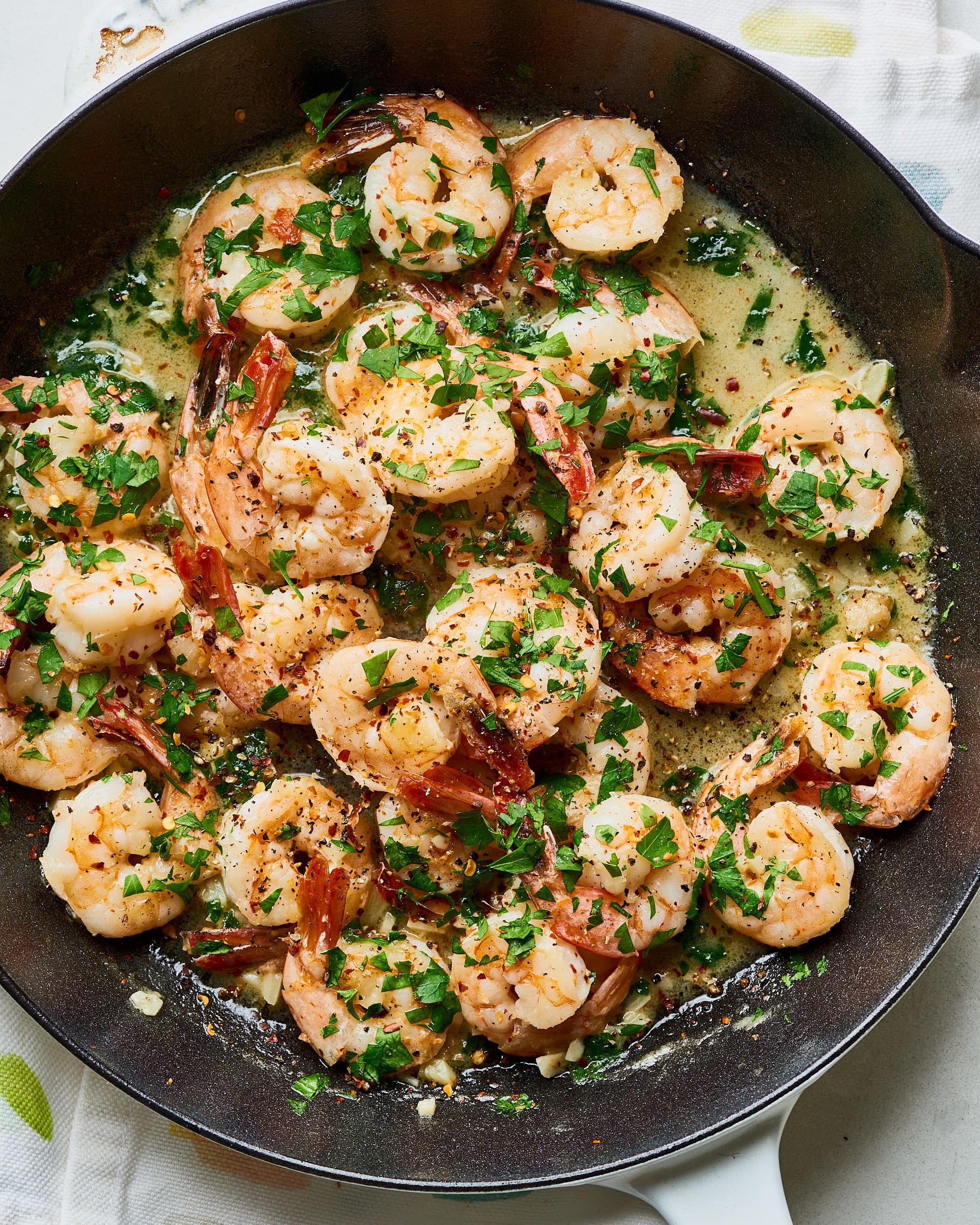
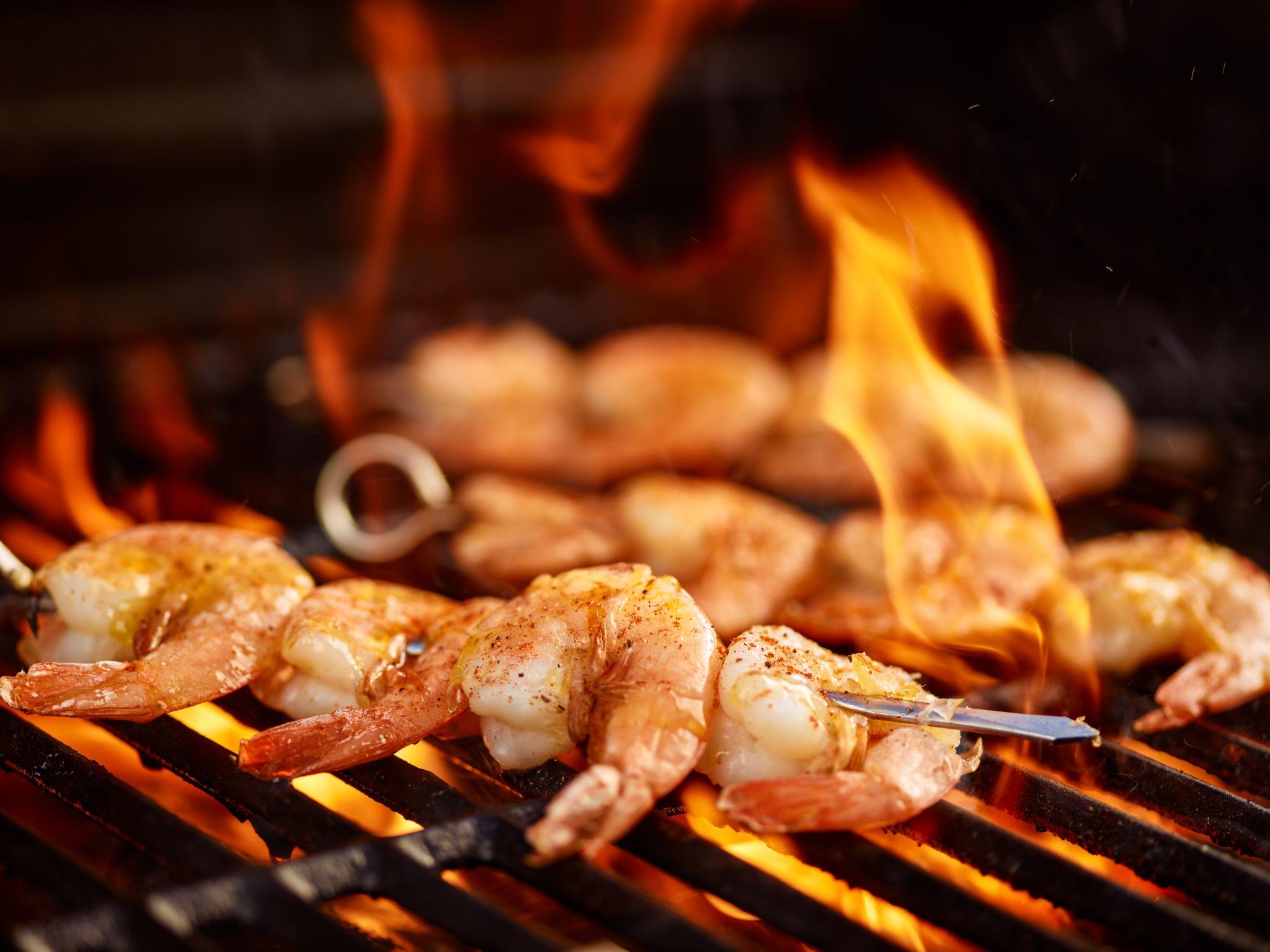
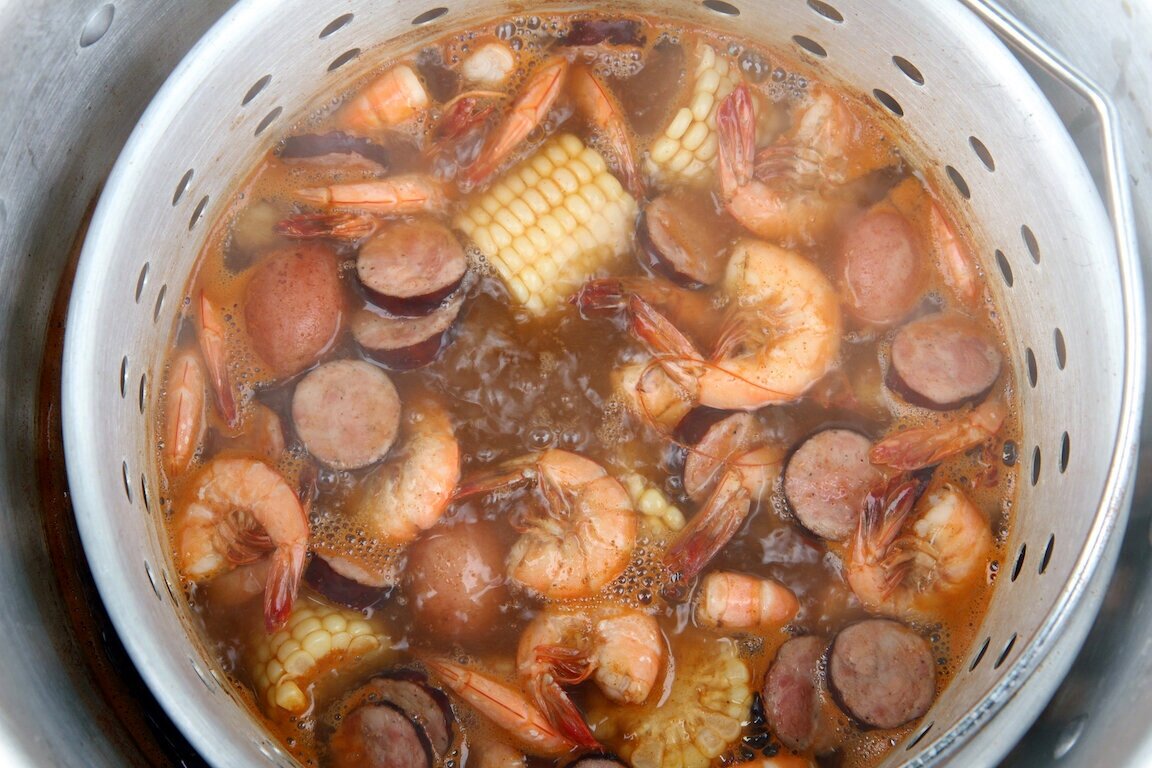
Shrimp can be cooked using many techniques. Each method highlights different flavors and textures.
Sautéing
One of the fastest and most popular methods.
Heat olive oil or butter in a pan and cook shrimp for 2–3 minutes per side.
Garlic, lemon, and herbs create a classic flavor combination.
Grilling
Grilling adds a smoky flavor.
Large shrimp work best.
Thread them onto skewers to prevent curling.
Boiling
Common for shrimp cocktails or seafood boils.
Cook shrimp in salted water with lemon and spices for 2–3 minutes.
Immediately transfer them to ice water to stop cooking.
Baking
Baking shrimp is simple and hands-off.
Toss shrimp with olive oil and seasonings and bake at 400°F for 6–8 minutes.
Steaming
Steaming preserves moisture and delicate flavor.
Aromatics like ginger, garlic, and citrus enhance the shrimp.
Flavor Pairings That Work Perfectly with Shrimp
Shrimp’s mild sweetness pairs well with a wide variety of ingredients.
Herbs
Popular herb pairings include:
-
Parsley
-
Cilantro
-
Dill
-
Basil
-
Tarragon
Spices
Shrimp work well with:
-
Paprika
-
Cayenne pepper
-
Garlic powder
-
Black pepper
-
Cajun seasoning
Citrus
Lemon and lime brighten shrimp dishes and enhance their natural sweetness.
Sauces
Classic shrimp sauces include:
-
Garlic butter
-
Lemon butter
-
Cocktail sauce
-
Aioli
-
Spicy Cajun cream sauce
Side Dishes
Shrimp pair beautifully with:
-
Rice
-
Pasta
-
Quinoa
-
Roasted vegetables
-
Fresh salads
The Nutritional Benefits of Shrimp
Beyond its delicious taste, shrimp is one of the most nutrient-dense proteins available.
High Protein
A three-ounce serving of shrimp contains about 18–20 grams of protein, supporting muscle growth and repair.
Low Calories
Shrimp are relatively low in calories, making them ideal for balanced diets.
Rich in Vitamins and Minerals
Shrimp provide:
-
Vitamin B12
-
Selenium
-
Iodine
-
Zinc
-
Iron
These nutrients support immune function, thyroid health, and brain performance.
Omega-3 Fatty Acids
Shrimp contain heart-healthy omega-3 fats that may help reduce inflammation.
Antioxidants
Shrimp also contain astaxanthin, a powerful antioxidant responsible for their pink color after cooking.
This compound has been studied for potential benefits related to heart health and skin protection.
How to Store Shrimp Safely
Proper storage is essential to keep shrimp fresh and safe.
Refrigeration
Fresh shrimp should be cooked within 1–2 days.
Store them in the coldest part of the refrigerator.
Freezing
Raw shrimp freeze well for 3–6 months when sealed in airtight packaging.
Cooked shrimp can be frozen for 2–3 months.
Thawing Frozen Shrimp
Best methods include:
-
Thawing overnight in the refrigerator
-
Placing shrimp in a sealed bag under cold running water
Avoid warm water or room-temperature thawing.
Sustainability and Responsible Shrimp Consumption
Shrimp farming and harvesting practices vary significantly worldwide.
Consumers can make environmentally responsible choices by selecting shrimp from sustainable sources.
Look for certifications such as:
-
Marine Stewardship Council (MSC)
-
Aquaculture Stewardship Council (ASC)
These labels indicate responsible fishing or farming practices.
Supporting sustainable seafood helps protect marine ecosystems and ensures shrimp remain available for future generations.
Final Thoughts
Shrimp may appear simple at first glance, but understanding how to properly prepare and cook it can make a dramatic difference in your meals.
Learning to clean, devein, and cook shrimp correctly ensures the best possible flavor and texture.
While the dark vein running along the shrimp’s back is generally harmless, removing it can improve taste, eliminate grit, and enhance presentation—especially in dishes where shrimp are the centerpiece.
Equally important is selecting high-quality shrimp, avoiding common cooking mistakes, and choosing preparation methods that highlight shrimp’s naturally sweet flavor.
With its impressive nutritional profile, quick cooking time, and incredible versatility, shrimp remains one of the most rewarding seafood ingredients to master in the kitchen.
The next time you prepare shrimp, take a moment to clean and devein them carefully. That small step can elevate your dish from ordinary to exceptional—and once you taste the difference, you may never skip it again.