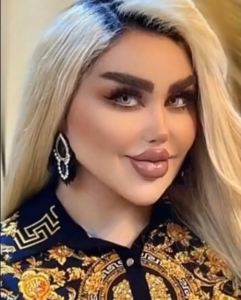
In the age of social media, a single viral video can rapidly transform a person’s private decision into an international conversation. Such is the case of Dalia Naeem, a television presenter and actress from Baghdad, Iraq.
Whose striking appearance and highly publicized cosmetic transformation have drawn intense worldwide attention — and sparked nuanced discussions about beauty standards, personal choice, and the influence of social media on self‑image.
Known to many online as the “Iraqi Barbie,” Naeem has become one of the most talked‑about figures in the intersection of entertainment, beauty culture, and digital influence in recent years.
Her story illustrates both the power of personal branding in the digital age and the complex reactions that can follow when an individual’s choices become a global spectacle.
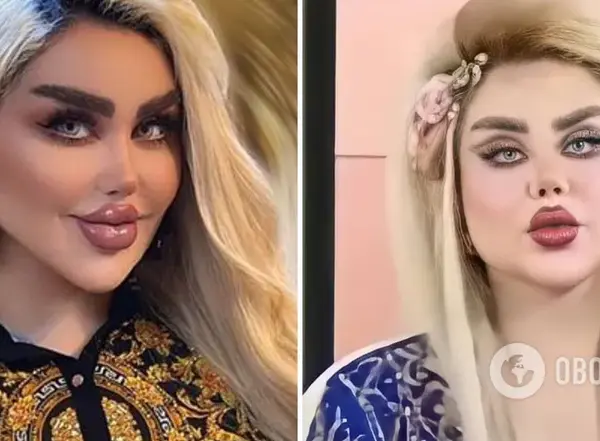
Who Is Dalia Naeem?
Dalia Naeem is a television host, presenter, actress, and social media personality originally from Baghdad, Iraq. She built a substantial online audience by sharing content related to fashion, beauty, lifestyle, and her work in the entertainment sector.
On Instagram, she has attracted hundreds of thousands of followers who engage with her posts about style, makeup, and personal expression.
Within Iraq and the broader Middle Eastern entertainment world, Naeem worked as a presenter and actress, appearing in various television segments and productions.
Her early career focused on mainstream media work in Iraq before her image transformation became a defining aspect of her public persona.
In her online profiles, Naeem shared aspects of her creative journey, sometimes blending her entertainment work with broader lifestyle and beauty content. Her openness about self‑expression and transformation has played a key role in her digital influence.
The Transformation That Captured Global Attention
What brought Dalia Naeem to international notice was a dramatic physical transformation that she openly documented on social media.
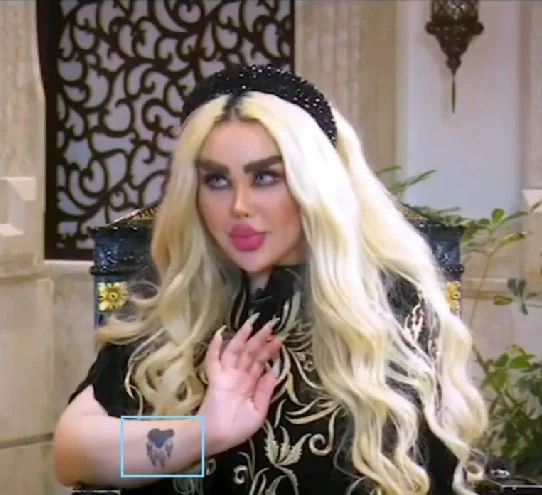
Over time, she underwent a significant series of cosmetic procedures designed to achieve an appearance reminiscent of a Barbie doll — a style defined by exaggerated features such as large eyes, full lips, sculpted cheekbones, and a highly polished, stylized aesthetic.
According to multiple reputable reports, Naeem has undergone approximately 43 cosmetic procedures in pursuit of this distinctive look.
These procedures have included breast enlargement, lip fillers, and other surgical and non‑surgical enhancements. The cumulative effect of these treatments contributed to a highly stylized appearance that many online commentators described as “doll‑like.”
In one widely shared video, Naeem appears alongside her makeup artist, where the artist compliments her look by saying, “You look so beautiful, my dear. Just like Barbie.”
In response, Naeem engages playfully, underscoring the intentionally stylized nature of her appearance.
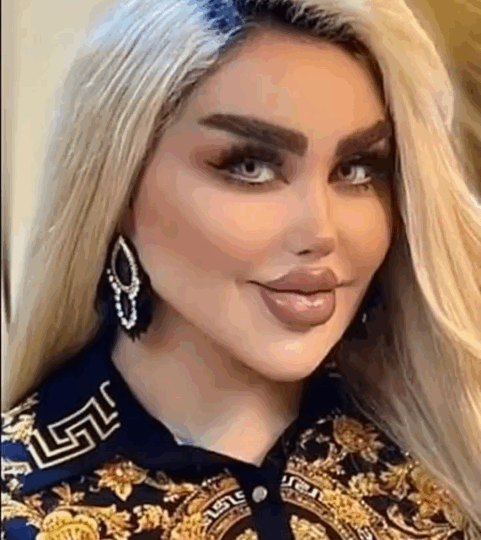
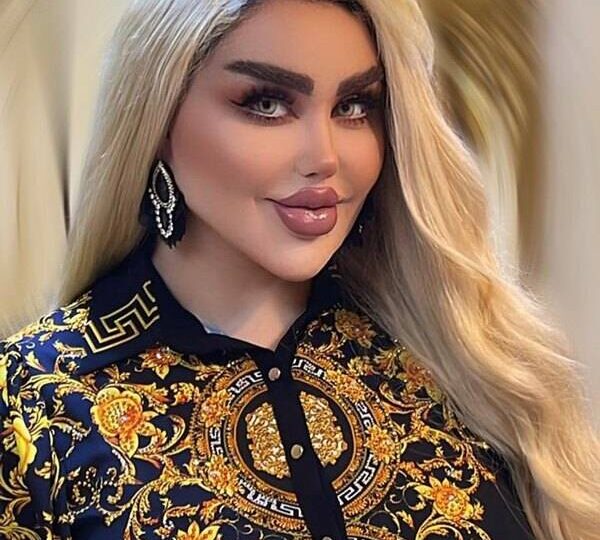
Dalia’s distinctive look — with long blonde hair, pale eyes, and enhanced facial features — quickly caught the attention of social media users around the world. What would otherwise remain a personal aesthetic choice became a moment of global visibility.
Rise of the “Iraqi Barbie” Nickname
As the video spread across platforms such as Instagram, TikTok, and YouTube, many viewers began referring to Naeem as the “Iraqi Barbie.”
The nickname reflects the similarity between her stylized features and the iconic toy figure — a cultural symbol associated with beauty ideals, fashion, and aspirational identity in many parts of the world.
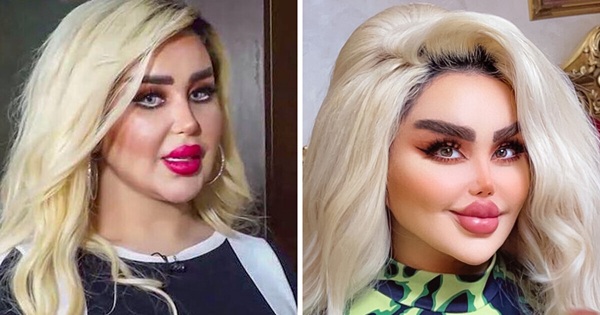
While some saw the nickname as playful or affectionate, others raised questions about the social and cultural implications of equating human beauty with an idealized doll image.
In particular, viewers debated whether such comparisons reinforce unrealistic standards or celebrate an individual’s right to self‑expression.
Regardless of the interpretation, the “Iraqi Barbie” label played a significant role in helping the video gain traction across cultural boundaries, turning Naeem’s personal transformation into a broader cultural conversation.
Public Reaction: Divided and Dynamic
The global reaction to Dalia Naeem’s transformation was wide‑ranging and deeply animated, reflecting broader societal debates about beauty standards, autonomy, and media representation.
Supporters of Naeem praised her confidence and creativity, viewing her transformation as a form of artistic and personal expression.
For many, her willingness to stand out and celebrate her own vision of beauty represented a powerful affirmation of individual choice. These supporters have framed her story as one of empowerment — an example of a person boldly defining their identity on their own terms.
Others, however, expressed concern or discomfort. Critics questioned the potential physical and emotional impacts of undergoing numerous procedures, particularly when motivated by highly stylized or idealized beauty standards.
Such perspectives often highlight broader concerns about the influence of social media culture on individuals’ self‑image, particularly for young people who may feel pressured to conform to unrealistic ideals.
Some commentary also raised cultural considerations, noting that attitudes toward cosmetic surgery vary significantly across societies.
In more conservative regions, extensive cosmetic enhancement can be especially controversial, intersecting with social norms about modesty, natural beauty, and gender expectations.
Naeem’s openness about her transformation challenged some of these norms, fueling dialogue about autonomy within cultural contexts.
Across these debates, a consistent theme emerged: beauty standards and personal identity are deeply influenced by media, social narratives, and cultural expectations.
Dalia Naeem’s experience became a flashpoint for discussing not only one individual’s choices but also how appearance, identity, and media intersect in the modern world.
Social Media Influence and Digital Identity
One unmistakable factor in Naeem’s viral moment is the power of social media to elevate personal stories into global phenomena.
Platforms like Instagram and TikTok allow individuals to curate their image, share creative content, and connect with global audiences in ways that were impossible just a decade ago.
For public figures like Naeem, social media is both a tool for self‑expression and a stage for wider societal scrutiny.
Her transformation videos, makeup tutorials, and lifestyle posts reached far beyond a regional audience, engaging people from vastly different cultural backgrounds.
This global attention highlights how social platforms can amplify individual experiences into broader conversations about identity, beauty, and self‑presentation.
In Naeem’s case, her personal aesthetic journey became a catalyst for larger debates about digital beauty standards and the cultural pressures shaped by social media.
Understanding the Broader Cultural Context
To fully appreciate the public reaction to Dalia Naeem’s transformation, it helps to consider several broader cultural trends:
**1. Globalization of Beauty Standards
In many parts of the world, global media content — from Hollywood films to international fashion magazines — has helped spread certain beauty ideals across cultures.
Figures like Barbie have become culturally recognizable symbols of beauty and femininity, making Naeem’s comparison instantly understandable to international audiences.
**2. Rise of Cosmetic Procedures
Advances in cosmetic surgery and non‑surgical enhancements have made a wide range of aesthetic choices more accessible than ever before.
Celebrity culture and influencer aesthetics often normalize these procedures, blurring the line between medical intervention and beauty expression.
**3. The Role of Self‑Branding
For influencers and public figures, appearance can be a central component of personal branding. Naeem’s visual transformation was not just a private choice but became an integral part of her public persona, shaping how audiences perceive and engage with her content.
**4. Cross‑Cultural Reactions
Audiences from different cultural backgrounds reacted differently. In some regions, overt cosmetic alteration may be celebrated as empowerment, while in others it may be viewed through lenses of tradition, religion, or societal expectations. This range of responses underscores the diversity of values and aesthetic norms in the modern world.
Personal Narrative and Public Impact
Behind the headlines and viral clips, Dalia Naeem’s story is rooted in her own choices and aspirations. She openly embraced transformation as a form of identity exploration and creative expression.
While critics may focus on the procedures themselves, supporters emphasize her autonomy and bravery in defining her own look.
Importantly, Naeem’s experience illustrates how public figures navigate the space between personal identity and public perception.
Choices that feel deeply personal — such as hair color, makeup style, or cosmetic enhancement — can be interpreted in wildly different ways once shared on global platforms.
Her story also highlights the importance of informed decision‑making when it comes to cosmetic procedures. Medical professionals emphasize that while aesthetic enhancements can be empowering for some, they also carry physical and emotional considerations that should be thoughtfully weighed.
Public figures like Naeem, by sharing their journeys transparently, contribute to broader awareness about these complexities.
What Dalia Naeem’s Story Teaches Us
The global attention around Dalia Naeem’s transformation sheds light on several key dynamics in modern culture:
Beauty is Socially Constructed:
Our ideas about attractiveness are shaped not only by individual preferences but also by media narratives, cultural symbols, and global trends.
Figures like Barbie have become cultural touchstones that convey ideas about beauty, aspiration, and identity.
Social Media Amplifies Personal Narrative:
Platforms such as Instagram allow individuals to share highly personal aspects of their lives with global audiences. While this can foster connection and empowerment, it also opens personal choices to intense scrutiny and varied interpretation.
Public Reactions Reflect Broader Societal Debates:
The diverse responses to Naeem’s transformation reflect deep societal conversations about autonomy, beauty norms, gender expectations, and media influence.
These conversations go beyond one person’s choices and tap into ongoing cultural dialogues about appearance, identity, and self‑expression.
Personal Choice Matters:
At the heart of the debate is the question of personal agency: who gets to define beauty, and how do individuals navigate their own desires in the context of cultural pressures?
Naeem’s journey highlights both the possibilities and tensions inherent in making such choices public.
Conclusion
Dalia Naeem’s rise to global attention shows how a personal transformation — once shared online — can spark powerful conversations about beauty, identity, social media influence, and cultural expectations.
Her choice to pursue a distinctive aesthetic and share it publicly resonated with millions, drawing admiration, criticism, curiosity, and debate from diverse corners of the world.
Whether one views her transformation as bold self‑expression or as part of broader cultural pressures, Naeem’s story offers a window into how individuals navigate identity and appearance in the digital age — and how those choices intersect with public perception and cultural discourse.
In an era where personal narratives shine on global platforms, her experience reminds us that beauty, identity, and self‑expression are deeply personal yet universally compelling themes.