Head lice are a frustrating and exhausting problem for many families, especially once school resumes and children spend long hours in close contact with one another. While lice are not dangerous, they spread easily and can cause significant discomfort and stress. Contrary to popular belief, lice are not a sign of poor hygiene, nor do they jump or fly. They spread through direct head-to-head contact, which is why classrooms, playdates, and camps provide ideal conditions for them to move from one child to another. Understanding how lice spread and how to treat them correctly is the first step toward stopping repeated infestations.
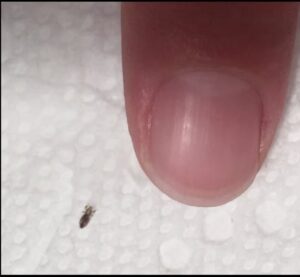
Detecting head lice early can make a major difference. Itching is the most common symptom, but it may not appear for several weeks after infestation. The most reliable way to confirm lice is by using a fine-toothed lice comb on wet hair, working carefully from the scalp outward. Live lice are small, fast-moving, and vary in color, while eggs are often easier to spot because they cling close to the scalp. Empty egg shells alone do not require treatment, as they will naturally grow out with the hair. Treatment should begin only when live lice are found.
When it comes to treatment, there are several effective options. Medicated lice treatments approved by health authorities remain the most reliable method when used exactly as directed, often combined with careful combing to remove eggs. Some families also explore non-chemical or low-chemical approaches, such as meticulous wet-combing over multiple sessions. Home remedies are widely discussed online, but results vary, and not all methods are supported by medical evidence. If irritation occurs or lice persist, consulting a pharmacist or healthcare provider is strongly recommended, especially for young children.
Preventing lice from coming back requires consistency rather than panic. Regular checks, tying back long hair, avoiding head-to-head contact, and informing schools or caregivers quickly can limit spread. Washing bedding, hats, and hair accessories in hot water can help, though extensive home cleaning is usually unnecessary. With patience, accurate information, and a calm approach, head lice can be eliminated and kept from disrupting family life again.