Cole Prochaska never intended to inspire anyone. He wasn’t seeking attention, fame, or approval. He was a man from South Carolina facing the consequences of a life that had quietly spiraled out of control, weight gaining steadily.
At his heaviest, Cole weighed 585 pounds. That number wasn’t abstract—it defined his life, how he moved, and how he perceived himself. Every step required effort. Every day reminded him that his body was failing him.
The realization came quietly. There was no dramatic moment or speech. It was a simple confrontation with reality: the scale couldn’t register his weight anymore. Standing there, Cole knew something terrifying—if nothing changed, he wouldn’t survive long.
He didn’t immediately hire trainers or dieticians. There was no perfect plan waiting for him. Instead, he began with walking. At first, it was agonizing. Every movement reminded him of the weight, but he persisted, step by step.

Alongside walking, Cole changed his diet incrementally. He avoided fast food, sugary snacks, and empty calories. He replaced them with real, simple meals—nothing trendy, nothing extreme. His goal was control, consistency, and small victories repeated daily.
Progress was slow, frustratingly so. Yet each choice—walking a little longer, eating a little better, resisting old habits—compounded over time. Gradually, he noticed changes. Months became milestones, and his body slowly responded to his discipline.
In under two years, Cole lost 360 pounds. That number astonishes most people, but it wasn’t sudden. There were no gimmicks, pills, or magic tricks—just persistence, commitment, and a refusal to give up despite discomfort.
His transformation gained attention because it was real. It wasn’t flashy or highly produced. People resonated with the authenticity of his journey—someone ordinary, struggling, and still achieving extraordinary results through methodical effort.
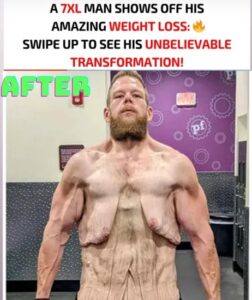
Even with this success, new challenges emerged. Loose skin became a significant obstacle. After such dramatic weight loss, his body carried the aftermath physically, complicating movement, workouts, and even daily life. It was an unexpected phase of transformation.
This excess skin also affected Cole emotionally. Despite his achievement, mirrors didn’t always reflect the victory he had earned. The disconnect between effort and image tested his mental resilience and forced him to confront identity beyond the scale.

Instead of hiding these challenges, Cole addressed them openly. He launched a GoFundMe campaign for skin removal surgery, sharing a raw, unfiltered photo of himself shirtless. The image was honest, vulnerable, and deeply human, showing his authentic journey.
His transparency resonated widely. Donations and supportive messages poured in, but more importantly, people appreciated the honesty. They saw struggle alongside success, triumph alongside difficulty, and an unfiltered human story that many could relate to personally.
By December 2024, Cole had progressed to meeting a surgeon, planning the necessary procedures for skin removal. He has since maintained a low public profile, focusing on recovery and adjusting to life in a lighter, transformed body.
Cole’s story goes beyond weight loss. It’s about rebuilding a life piece by piece. It’s about showing up even when it’s uncomfortable, making consistent choices, and acting despite the absence of immediate motivation or visible progress.
He began with painfully simple steps: walk more, eat more mindfully, stay consistent. Over time, these steps compounded, creating profound transformation. His journey proves that simplicity, repeated daily, often surpasses complex plans or short-term diets.

There’s also a lesson in addressing aftermath. Loose skin wasn’t cosmetic alone—it was a reminder of his past. By confronting it directly, Cole exemplified resilience, demonstrating that real change continues beyond visible results.
At one point, he emphasized that his goal wasn’t perfection. It was vitality. Being alive, mobile, and capable mattered more than aesthetics or public validation. His perspective shifts focus from superficial outcomes to authentic health and life satisfaction.
Cole’s approach underlines the difference between method and magic. Transformation isn’t a dramatic reveal. It’s repetition, discomfort, and decision-making sustained over months and years. Success comes from showing up consistently, not waiting for motivation to appear.
Every day presented small battles. Walking triggered joint pain. Dieting provoked cravings. Social pressure and self-doubt tested commitment. Yet, the decision to continue, made hundreds of times, built momentum far beyond what short-term effort could achieve.
He also faced social reactions. Some admired his progress; others questioned his methods. Cole remained focused on his journey, choosing authenticity over external approval, modeling that success is personal, internal, and measured by consistency rather than external validation.

The mental challenge of transformation was as profound as the physical. He had to reshape habits, confront self-perception, and navigate identity shifts. Losing weight so dramatically requires confronting fears, insecurities, and emotional baggage that often lurks unnoticed for decades.
Cole’s initial steps, the first walks around the house, illustrate the magnitude of small decisions. Each step required enormous effort, reinforcing that change begins with actions that feel almost impossible until they accumulate into momentum.
Alongside physical activity, dietary changes were deliberate. Meals were simple, structured, and intentional. He removed empty calories, controlled portions, and prioritized nutrients, building sustainable patterns that supported his long-term goals rather than chasing rapid results.
Over time, those small steps became habitual. They taught him patience, self-control, and the compounding effect of consistent effort. What once felt impossible gradually became manageable, showing that monumental change is built from manageable increments.
When the scale began to reflect his dedication, the emotional impact was profound. Seeing progress validated years of discomfort, repetition, and sacrifice. Yet, he recognized that transformation is multidimensional, involving both the visible and invisible aspects of life.
Loose skin challenged both body and mind. It complicated exercise, disrupted self-image, and required ongoing management. Cole approached it not with shame, but with acceptance and proactive planning, exemplifying resilience beyond the purely physical aspects of weight loss.

His GoFundMe campaign was more than fundraising—it was a transparent account of real-life challenges. The shirtless image symbolized honesty and vulnerability, showing that victory is rarely clean or flawless, but worth pursuing regardless of imperfections.
Support poured in, not because of spectacle, but because people recognized truth and effort. They related to the human story of struggle, persistence, and transformation, validating the importance of transparency in inspiring authentic connection.
Beyond physical recovery, Cole confronted identity shifts. Weight loss reshaped perception, self-concept, and social interactions. Navigating this new reality required reflection, patience, and adjustment—reminding us that transformation is lifelong, not confined to milestones.
Cole’s story demonstrates the importance of starting small. Initial efforts are often uncomfortable and slow, but persistence compounds results. Walking, mindful eating, and daily discipline eventually create outcomes that seem impossible at the outset, yet achievable through consistency.
He also shows the significance of confronting challenges openly. Loose skin, mental fatigue, and emotional hurdles are part of transformation. By acknowledging them, he teaches that growth includes navigating consequences, not just celebrating achievements.
Mental resilience played a critical role. Facing temptation, frustration, and societal pressure required reframing failure, managing expectations, and sustaining motivation internally. His story exemplifies psychological endurance alongside physical transformation.
Cole’s journey wasn’t about impressing others. It was a personal reclamation of life, mobility, and independence. This internal motivation, rather than external recognition, allowed him to sustain rigorous changes over months and years without burnout.
The method was simple but profound: consistent action, informed choices, and repetition. Complexity doesn’t guarantee success. Cole’s story demonstrates that a simple framework, applied diligently, produces extraordinary results, both physically and mentally.
His transformation also highlights the multidimensional nature of health. Physical change addresses mobility and appearance, but emotional, social, and mental wellbeing are equally critical. True recovery integrates body, mind, and lifestyle.
Cole’s experience provides lessons for anyone facing seemingly insurmountable challenges. Begin with small, achievable actions. Persist when progress seems invisible. Accept imperfections. Confront discomfort. Understand that meaningful change takes time, patience, and unglamorous effort.
By December 2024, Cole reached a new phase: surgical planning for loose skin removal. This represents a continuation of transformation, addressing challenges created by success and reinforcing the idea that personal development is ongoing.
His story emphasizes that transformation is not linear. Setbacks, plateaus, and emotional hurdles occur, but consistency and adaptation create sustainable progress. Success isn’t instantaneous—it’s the sum of small choices repeated over time.
Ultimately, Cole Prochaska’s journey is about survival, discipline, and self-reclamation. It’s proof that dramatic life changes are achievable through methodical action, honesty, and persistence, without relying on external validation or extreme interventions.
What sets Cole apart isn’t a single moment of change but the accumulation of thousands of decisions—tiny, daily choices that collectively reshaped his life, health, and sense of possibility in profound ways.
His narrative inspires because it’s grounded in reality. No gimmicks, no exaggerations, just raw effort, reflection, and accountability. He demonstrates that real transformation, while uncomfortable, is always accessible with patience and persistence.