Few parenting moments cause instant panic quite like discovering a tiny bug crawling through your child’s hair. One moment everything seems normal, and the next you are staring closely at the scalp, wondering if what you see is real. For many families, this moment signals the beginning of an unexpected challenge: head lice.
Head lice are a common issue in households with school-age children. Although they are not dangerous and do not spread disease, they can quickly create discomfort, frustration, and a surprising amount of work for parents. Once lice appear, they often spread easily through close contact, especially in classrooms, playgrounds, and sleepovers.
For parents who have never dealt with lice before, the experience can feel overwhelming. There are shampoos, combs, treatments, and endless advice online about what to do next. Questions begin to pile up quickly. How did the lice get there? Are they dangerous? How do you get rid of them completely? And perhaps most importantly—how do you prevent them from coming back?
Understanding how lice behave and how they spread can make the entire process much easier to manage. While the idea of tiny insects living in someone’s hair may sound alarming, lice infestations are actually very common and treatable. With the right steps and a little patience, families can eliminate lice and return to normal routines.
This guide explains what head lice are, how they spread, and the most effective ways to remove them from the scalp and home environment.
What Are Head Lice?
Head lice are tiny insects that live on the human scalp and feed on small amounts of blood. Their scientific name is Pediculus humanus capitis. Although they are parasites, they are highly specialized and survive only on human heads.
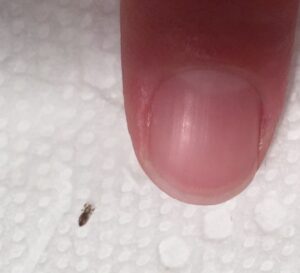
These insects are extremely small, usually about the size of a sesame seed. Their color can vary from tan to grayish-white, which sometimes makes them difficult to spot against hair and scalp. Because they move quickly and hide close to the scalp, they are not always easy to detect during a quick glance.
Lice do not have wings and cannot jump like fleas. Instead, they crawl from one head to another when people come into close contact. This is why lice outbreaks are especially common among children who play closely together, share space in classrooms, or gather for group activities.
Once lice settle on the scalp, they begin feeding several times a day. Their bites can cause itching, although not everyone experiences immediate symptoms.
Understanding Lice Eggs (Nits)
A major reason lice can be difficult to eliminate is their eggs, commonly called nits. Female lice lay eggs at the base of the hair shaft, very close to the scalp where warmth helps them develop.
Nits are extremely small and often resemble tiny grains of sand or dandruff. However, unlike dandruff, nits are firmly attached to the hair shaft and cannot simply be brushed away.
Within about a week, these eggs hatch into young lice called nymphs. The nymphs mature into adult lice within another week, at which point they can begin laying eggs themselves. This rapid life cycle means an infestation can grow quickly if not addressed promptly.
Because lice treatments often kill the live insects but do not completely remove the eggs, careful combing is necessary to prevent the cycle from continuing.
How Lice Spread
Many parents assume lice spread through poor hygiene, but this is a common misconception. In reality, lice infestations have nothing to do with cleanliness. Lice can live on anyone’s scalp regardless of how often the hair is washed.
The most common way lice spread is through direct head-to-head contact. Children playing closely together, hugging, or leaning over shared materials may unintentionally transfer lice from one head to another.
Although less common, lice can sometimes spread through shared personal items such as:
-
Hairbrushes or combs
-
Hats or helmets
-
Hair accessories
-
Pillows or bedding
-
Scarves or hooded jackets
Because children often share these items without thinking about it, lice outbreaks can move quickly through classrooms and social groups.
Signs and Symptoms of Lice
The most well-known symptom of lice is itching. This itching occurs because the scalp reacts to the bites of the insects. However, itching may not appear immediately after lice arrive. Some people may not feel any itching for several weeks.
Other possible signs of lice include:
-
A tickling sensation on the scalp
-
Difficulty sleeping due to nighttime itching
-
Red bumps or irritation near the hairline
-
Small white or tan eggs attached to hair shafts
-
Visible lice moving through the hair
Sometimes parents discover lice during routine grooming rather than from symptoms. Finding nits or a moving insect near the scalp is often the first clear sign.
Staying Calm and Taking Action
Discovering lice can cause immediate concern, but it is important to remember that lice infestations are manageable. Millions of families deal with them each year, especially during the school season.
The key is to act promptly and follow a consistent treatment plan. Removing lice usually requires several steps, including treatment products, careful combing, and cleaning certain household items.
While the process can take time, patience and thoroughness are the most effective tools.
Step 1: Use a Lice Treatment Product
The first step in eliminating lice is using a treatment specifically designed to kill live lice. These products typically come in the form of medicated shampoos, lotions, or creams available at pharmacies and stores.
When using a lice treatment product, it is important to follow the instructions exactly as written. Different products require different application methods and timing.
Generally, the process includes:
-
Applying the product to dry or damp hair as directed.
-
Ensuring the scalp and hair are fully coated.
-
Allowing the treatment to remain for the recommended time.
-
Rinsing thoroughly.
These treatments are designed to kill live lice but may not completely remove eggs, which is why the next step is crucial.
Step 2: Remove Nits with a Fine-Toothed Comb
After treatment, careful combing is necessary to remove dead lice and remaining eggs. Special nit combs are designed with extremely fine teeth that can catch even tiny particles attached to the hair.
The best way to comb for lice is to work with wet hair. Wet hair slows down any surviving lice and makes the combing process easier.
Follow these steps:
-
Divide the hair into small sections.
-
Begin at the scalp and comb slowly to the end of the hair.
-
Wipe the comb on a tissue or paper towel after each pass.
-
Continue until all sections have been thoroughly combed.
This process can take time, especially with long or thick hair, but it greatly increases the chance of removing all remaining eggs.
Step 3: Repeat Treatment
Because some eggs may hatch after the initial treatment, most lice removal plans include a second treatment about 7 to 10 days later.
This follow-up treatment targets any newly hatched lice before they mature and begin laying eggs again. Skipping this step can allow the infestation to continue.
Consistency is important. Even if the scalp appears clear, repeating the treatment ensures the lice life cycle is fully interrupted.
Step 4: Clean Household Items
Although lice cannot survive long away from the scalp, cleaning certain household items helps reduce the chance of reinfestation.
Wash the following items in hot water:
-
Bedding and pillowcases
-
Recently worn clothing
-
Towels
-
Hats and scarves
After washing, dry items using high heat if possible.
For items that cannot be washed, sealing them in plastic bags for two weeks is a simple solution. Without access to a human scalp, any remaining lice will eventually die.
Hairbrushes and combs should also be soaked in hot water for several minutes to eliminate possible lice or eggs.
What You Don’t Need to Do
When dealing with lice, it is easy to feel like every corner of the home needs deep cleaning. However, experts agree that extreme cleaning measures are usually unnecessary.
Lice cannot survive long on furniture, carpets, or floors because they need a human host to feed on. Vacuuming common areas and washing recently used items is generally enough.
There is no need for insect sprays or chemical treatments around the home, which can sometimes cause more harm than good.
Checking the Entire Family
Once lice are discovered on one family member, it is wise to check everyone else in the household.
Use a bright light and carefully examine the scalp, especially around the ears and the back of the neck. These warm areas are common spots for lice and nits.
If another family member shows signs of lice, they should be treated at the same time to prevent the infestation from cycling between individuals.
Preventing Future Infestations
Although it may not always be possible to prevent lice entirely, certain habits can reduce the risk.
Encourage children to avoid sharing personal items such as:
-
Brushes and combs
-
Hats
-
Hair accessories
-
Headphones
-
Towels
For children with long hair, keeping hair tied back in braids or ponytails may also reduce contact during play.
Regular scalp checks during school seasons can help catch lice early before they spread widely.
Common Myths About Lice
Lice are surrounded by many myths, which sometimes make the situation more stressful than necessary.
One myth is that lice prefer dirty hair. In reality, lice can live in clean or dirty hair equally well.
Another myth suggests that lice jump or fly from person to person. Lice cannot jump or fly—they simply crawl.
Some people also believe pets can carry lice, but human head lice live only on humans. Pets are not involved in the spread of head lice.
Understanding these facts helps families focus on practical solutions rather than unnecessary worry.
Patience Is Key
Removing lice can take time, especially when carefully combing out nits. It is common for the process to require several sessions over the course of a week or two.
Staying patient and consistent is the best approach. Most infestations can be resolved with proper treatment and careful follow-up.
Parents should also reassure children that lice are common and nothing to be embarrassed about. Many classmates and friends will likely experience the same issue at some point.
When to Seek Professional Help
In most cases, lice can be treated successfully at home. However, if treatments do not seem to work or infestations continue returning, it may be helpful to consult a healthcare professional.
Doctors and pharmacists can recommend alternative treatments or confirm whether lice are still present.
Some communities also offer professional lice removal services that specialize in thorough combing and treatment.
Final Thoughts
Finding a bug in your child’s hair can feel alarming at first, but head lice are a manageable and temporary problem. By understanding how lice live, how they spread, and how to treat them effectively, families can handle the situation with confidence.
Using the right treatment products, carefully combing out nits, and cleaning key household items are the most important steps. With patience and consistent care, lice infestations can be eliminated successfully.
Most importantly, remember that lice are a common part of childhood for many families. They do not reflect poor hygiene or parenting—they simply happen.
With calm action and good information, households can quickly move past the itchy inconvenience and return to everyday life.