The sun had barely begun its descent, casting long shadows across the quiet suburban street as I parked my car. It had been years since I last walked this route, the weight of memory pressing against my chest.
My father’s old neighborhood had changed subtly—houses repainted, yards trimmed with care—but the essence of the place remained: familiar, comforting, yet tinged with the echoes of a past I hadn’t fully understood.
I stepped out of the car, my hand hovering over the front door of a modest, unassuming home. The faint scent of lilacs drifted from a small garden to my left, a detail that brought an unexpected pang of nostalgia.
This house had never belonged to me, yet today it felt like the threshold of something profoundly significant.
As I raised my hand to knock, the door opened before I could summon the courage to ring the bell. Standing there was a face I hadn’t seen in decades:
Mrs. Jenkins, my father’s longtime confidante and former family accountant. Her posture was erect, her expression alert yet warm, and her eyes held that familiar mixture of intelligence and gentle firmness I remembered from childhood visits.
“Frank, it’s been a while,” she said, her voice calm but edged with emotion. “Come inside.” Her invitation was both personal and weighty, as though she had been waiting for this moment for years.
I hesitated only briefly, then stepped across the threshold, feeling the cool air of the entryway brush against my face.
The house prioritized function and comfort over grandeur. Wooden floors bore the subtle scuffs of daily life, and a few well-chosen pieces of furniture suggested thoughtfulness rather than luxury.
Mrs. Jenkins led me through the modest living room, its walls lined with photographs and mementos from decades past, until we arrived at a small study tucked quietly in the back.
Inside, neat piles of documents, ledgers, and folders sat in organized stacks, each labeled with precision.
In the center of the desk lay a thick envelope, sealed with my father’s signet—his personal crest, engraved with exacting detail. Mrs. Jenkins handed it to me with a solemn smile.
“I’ve been keeping this for you,” she said. “Your father wanted you to have it when the time was right.”
My hands trembled as I broke the seal. The letter inside bore my father’s bold, unmistakable handwriting—letters that were direct yet carried an unspoken warmth.
“Frank,” it began, “if you’re reading this, I’m gone, and you’ve found your way here. I’ve always been proud of the man you’ve become. I wanted you to live your life, not mine.”
The words struck me like a gentle but firm wave. For years, I had assumed my father’s legacy was defined by the corporate empire he had built—the acquisitions, the influence, the prestige—but this letter hinted at something entirely different. It spoke of vision, purpose, and intention.
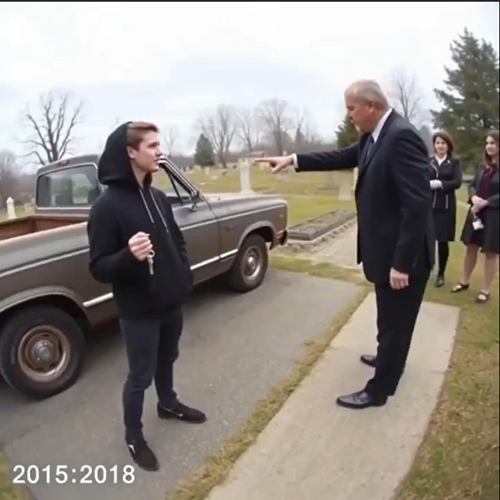
As I read further, I discovered that the truck, an old vehicle I had once thought of merely as a relic, was more than a simple inheritance.
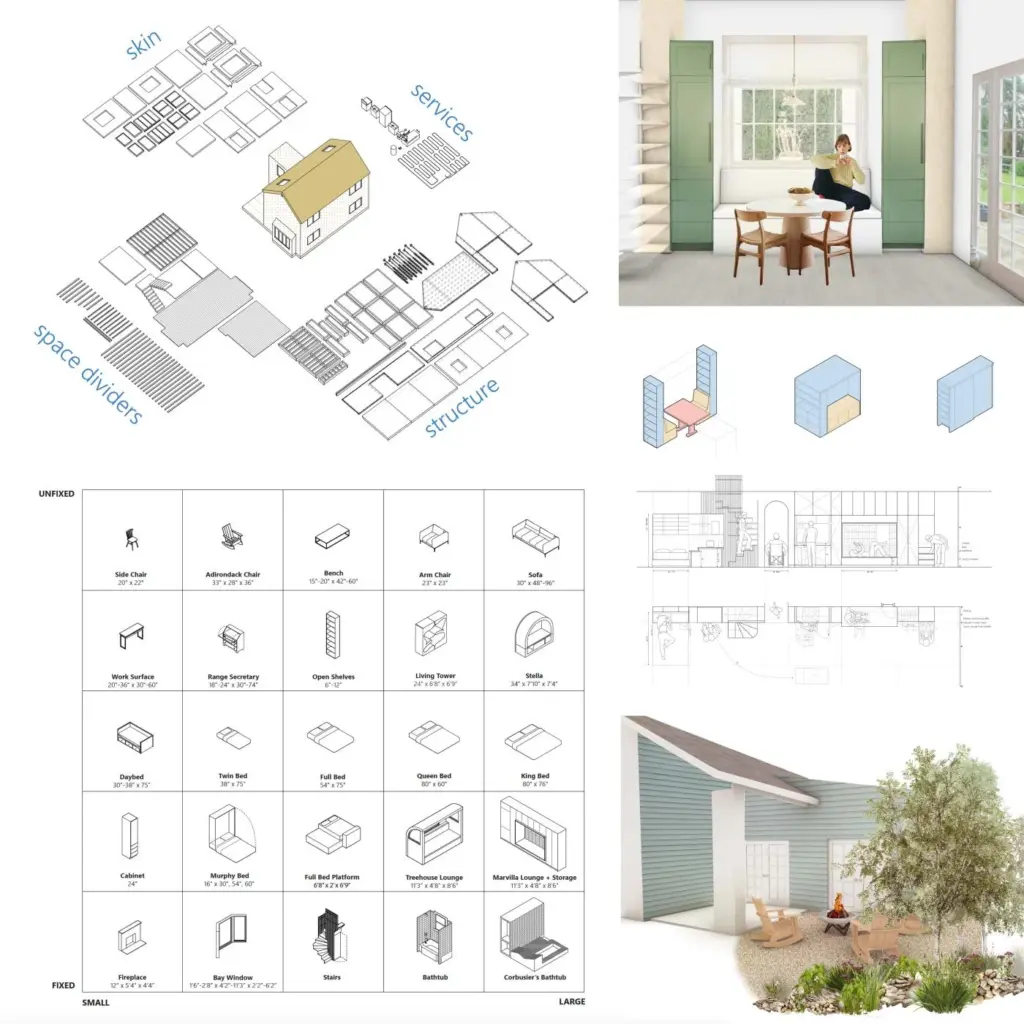
My father had purchased a small property in a quiet part of town and had meticulously preserved it as part of a hidden legacy: a plan for sustainable housing for families in need.
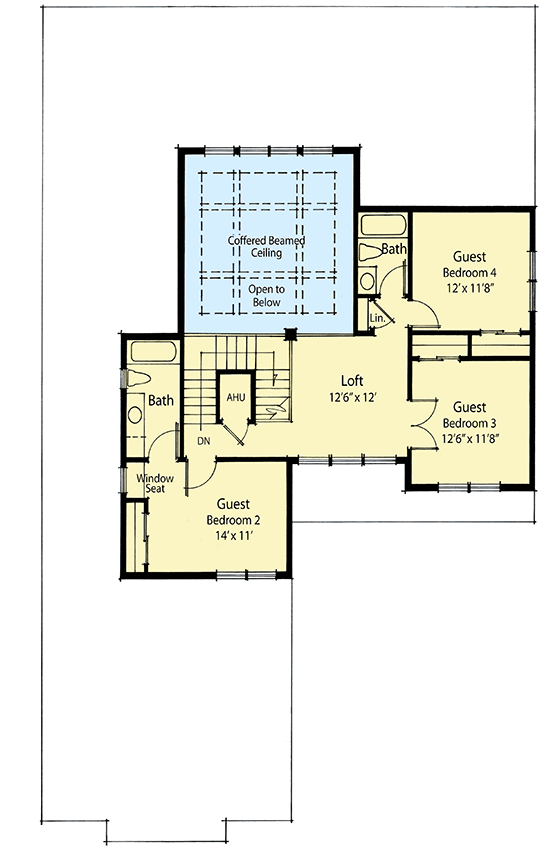
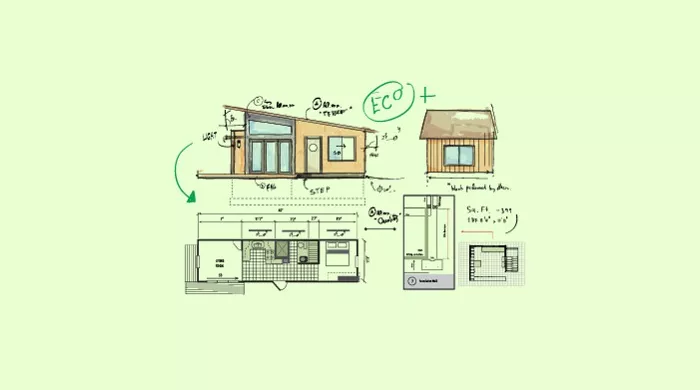
Inside the envelope were blueprints, architectural drawings, and handwritten notes detailing each aspect of the project.
“You’re free to do with it as you wish,” my father wrote. “But I hope you see the potential in it the way I saw potential in you. This is my true gift—a chance to build something meaningful, something lasting.”
I sank into the chair, overwhelmed by the enormity of it all. My father, a man of few words and measured action, had poured his heart into something that spoke not of wealth, but of purpose.
For decades, I had chased conventional markers of success, often comparing myself to my brother Patrick, whose ambitions and corporate prowess had always seemed to overshadow the quieter virtues my father valued.
Now I understood: the real inheritance was never about money or power—it was about impact, compassion, and legacy.
Mrs. Jenkins stood quietly nearby, her gaze soft yet attentive. “He always believed you’d find your way back here,” she said, her voice carrying a quiet certainty. “He wanted you to choose your own path.”
Tears pricked my eyes, but I swallowed them. The gravity of the moment pressed on me—not as sorrow, but as awakening.
Each blueprint, each carefully annotated note, represented more than construction; they symbolized community, foresight, and care. This was a path my father had envisioned, waiting for me to step into it, to breathe life into what he had begun.
I spent hours in that study, poring over his notes. He had considered solar panels, efficient water systems, shared community gardens, and affordable housing models designed to lift families out of cycles of poverty.
The attention to detail was staggering. This was not a token gesture—it was a blueprint for transformation, a vision that married innovation with empathy.
By the time I left the house, the sun was dipping below the horizon, casting a warm amber light across the street. The truck, once a symbol of familial estrangement and the loss of the corporate inheritance to Patrick, now seemed to gleam with renewed purpose.
It was no longer just a vehicle—it was a conduit, a bridge connecting my father’s vision to my own potential to enact meaningful change.
Driving home, my mind replayed the letter, the blueprints, and Mrs. Jenkins’ words. I realized that Patrick may have inherited the visible empire, the tangible wealth, but he had missed the essence of what my father truly valued.
My father’s real gift was hope, foresight, and a chance to leave a lasting positive mark on the world.
That night, I sat at my kitchen table, reviewing the plans by the soft glow of a lamp. I thought about the families who could benefit, the impact that thoughtful design could make, and the long road ahead.
There would be obstacles—logistical, financial, emotional—but I felt something I hadn’t in years: a profound sense of clarity and purpose.
For the first time in decades, I understood my father’s intent. His empire had been impressive, yes, but it was fleeting without meaning.
The true legacy, the inheritance he entrusted to me, was enduring, human, and transformative. And it was now my responsibility to see it through, in my own way, guided by his vision but shaped by my own hands and heart.
As I closed the envelope and tucked it carefully into my bag, I felt an unexpected lightness. A new journey awaited, one built not on ambition or rivalry, but on compassion, insight, and the desire to make a tangible difference.
The road ahead would be long, and the work would demand everything I could give—but for the first time in years, I felt ready.
Outside, the night settled over the neighborhood. Stars began to twinkle, faint against the lingering amber of sunset. Somewhere in the quiet,
I imagined my father watching, a gentle smile on his face, trusting me to find my path, trusting me to honor the legacy he had kept hidden for so long.
And for the first time, the truck didn’t feel like a burden. It felt like a promise.
The following morning, I returned to the property, the truck loaded with documents, measuring tapes, and a small toolkit. The streets were quiet, the air crisp, hinting at the promise of a fresh start.
My heart pounded not from fear, but from a sense of responsibility—I was about to step into a vision my father had nurtured in silence for years.
I walked the perimeter of the property, noting how sunlight filtered through the trees, casting dappled shadows across the open land.
It wasn’t large, but it was enough. Enough for a handful of homes, enough to make a real difference. I ran my fingers along the fence posts, imagining children playing, neighbors greeting one another, the faint hum of life building steadily from the foundations.
Mrs. Jenkins had given me more than the blueprints; she had shared stories, fragments of conversations with my father about the importance of community.
“He never wanted this to be just another investment,” she had said. “He believed in people, Frank. Always in people.” Her words echoed in my mind, steadying me.
I began the meticulous work of translating his vision into reality. Days were long and exhausting. I walked the property with architects, debated placement of each structure, and discussed materials that would withstand the elements while remaining environmentally conscious.
My evenings were spent poring over spreadsheets, balancing budgets, and reviewing permits. The work was technical, yes, but more importantly, it was infused with purpose.
Every challenge became an opportunity to honor my father’s legacy. When unexpected zoning issues arose, I reminded myself of his persistence.
When contractors questioned the unconventional designs—solar orientation, shared green spaces, rainwater recycling—I advocated with patience and determination. I felt my father’s presence in each decision, guiding me silently through the complexities of construction and community planning.
Weeks turned into months, and slowly, the first foundations were poured. The concrete set in the early morning light, a tangible beginning to something that had existed for years only in ink and imagination.
I spent hours on-site, speaking with builders, neighbors, and prospective future residents. Each conversation reminded me that this was more than a project; it was the beginning of a network of people connected by shared purpose and opportunity.
One afternoon, as I inspected a row of partially constructed homes, a small family approached me. A mother, father, and two children stood hesitantly at the edge of the lot. “Are these the homes your father planned?” the mother asked. Her eyes were hopeful but wary.
“Yes,” I said, smiling gently. “And now, I’m continuing his vision. These homes are for families like yours—safe, sustainable, and meant to build a strong community.”
The gratitude in their faces struck me deeply. For the first time, the abstract concept of legacy became tangible. This was the impact my father had envisioned—not through wealth or influence, but through lives changed, stability offered, and hope restored.
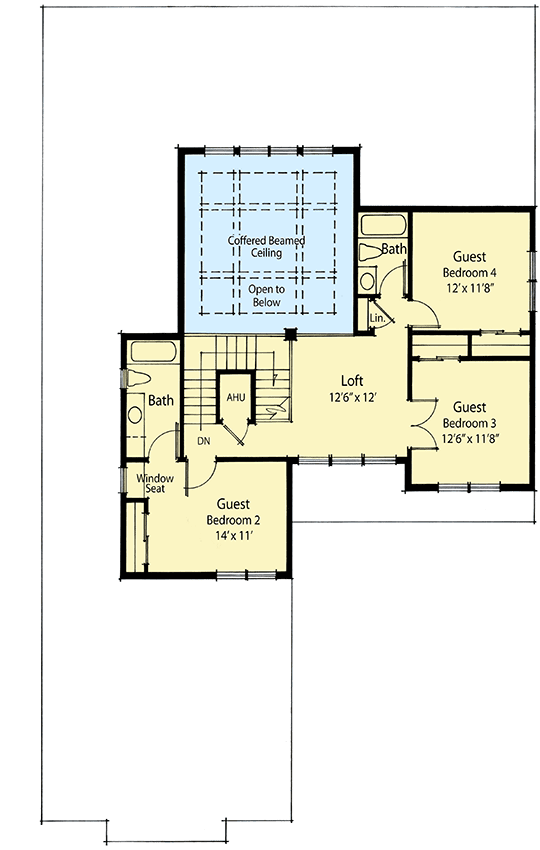
Throughout the construction, I kept returning to the letter. Every phrase my father had written resonated more profoundly with each passing day. His emphasis on freedom, potential, and compassion guided not only my decisions on the project but also my approach to leadership.
I was no longer simply managing a construction site; I was nurturing a living legacy, one rooted in human dignity and thoughtful planning.
The community began to take shape in unexpected ways. Neighbors volunteered to help with landscaping, local schools offered to provide programs for the children, and small businesses expressed interest in contributing resources.
It was as if my father’s vision had called to life a ripple effect, inspiring people to become part of something bigger than themselves.
Evenings were my time for reflection. Sitting in the cab of the truck, the sunset painting the horizon in gold and crimson, I considered the journey that had brought me here.
The rivalry with Patrick, the initial frustration at what I perceived as loss, the years of doubt and uncertainty—all of it had led to this moment. And in that moment,
I felt a profound clarity: the greatest inheritance my father could have left me was not the corporate empire, but the opportunity to shape lives, foster community, and honor values that money alone could never capture.
Months later, the first families moved in. The sight was humbling—children running across shared green spaces, neighbors exchanging greetings, laughter echoing through the air.
I watched from the sidelines, my heart swelling with pride and quiet satisfaction. Every wall, every planted tree, every carefully positioned home carried the imprint of my father’s vision and my own labor.
I invited Mrs. Jenkins to the opening ceremony. She walked the grounds slowly, her eyes glistening with emotion. “He would be so proud,” she whispered. I nodded, unable to find words that could capture the depth of the moment.
In the weeks that followed, I held meetings to expand programs for education, community gardening, and sustainable living workshops. The project was no longer just a collection of houses; it was a hub for growth, learning, and connection.
I realized that in following my father’s blueprint, I had discovered a purpose far greater than I had imagined: creating an environment where people could thrive, and where each generation could inherit not just homes, but a sense of belonging and hope.
Even Patrick, who had once overshadowed me with his wealth and ambition, visited quietly, observing the transformation. There was no rivalry in that moment, only acknowledgment. He saw the impact that couldn’t be measured in profit margins or stock portfolios. And silently, I understood that this was the measure of true legacy.
Months turned into a full year. The property was now a vibrant, living neighborhood. Families shared meals, children played freely, and neighbors collaborated on community events.
I walked the streets frequently, listening to laughter, conversations, and the subtle hum of lives being enriched. And through it all, the truck remained parked in its corner lot—a symbol not of inheritance or loss, but of transition, passage, and promise.
One evening, as I watched the sun dip below the horizon, I realized I had inherited more than a vision—I had inherited a way of life.
My father’s gift was not in the material wealth he left behind, but in the trust he placed in me, in the hope that I would build something meaningful. That trust had transformed into action, and action had created change.
I wrote my own letter that night, addressed to future generations:
“May this community always embody the values of care, respect, and resilience. May the homes we build shelter not only bodies but also dreams. And may every person who steps through these doors feel the same hope and purpose that guided those who came before.”
Through this project, I came to understand that inheritance is more than a transfer of wealth—it is a responsibility, a calling, and an opportunity to create lasting impact.
My father’s quiet wisdom had guided me to discover my own strength, to see beyond material success, and to embrace the profound satisfaction of giving back.
Looking at the neighborhood I now stewarded, I felt a deep, abiding connection to both my father and the families who had made this place home. The truck, the house, and the letter had been catalysts, but the real legacy had always been in action: the choices we make, the compassion we offer, and the lives we touch.
As night fell, the soft glow of porch lights reflected in the windows, casting a sense of warmth and belonging across the street. I knew this was only the beginning.
My father’s vision had been the seed, and now, with each day, I nurtured its growth, ensuring that hope, opportunity, and community continued to flourish.
I understood finally that the journey was not just about following instructions—it was about embracing responsibility, recognizing potential, and acting with intention.
And in doing so, I realized that my father had given me the greatest gift of all: the knowledge that meaningful change is possible when vision meets action, and when legacy is measured not in wealth, but in lives transformed.
Driving home later that night, I glanced at the truck parked under the dim streetlight. Once a symbol of uncertainty and hidden inheritance, it now carried the weight of promise, hope, and tangible progress. And for the first time, I felt complete.
My father’s dreams had found their way through me into the world, and in that realization, I discovered the true meaning of inheritance, family, and legacy.