On September 10, 2025, conservative activist Charlie Kirk was fatally shot during a scheduled event at Utah Valley University in Orem, Utah. The shooting occurred in front of a crowd of approximately 3,000 people and was captured in multiple audience videos. The attack sparked a rapid response from local police, university security, and federal authorities. Within minutes, the FBI assumed leadership of the investigation, prompting one of the most intensive manhunts and evidence-collection efforts in Utah’s recent history. As days passed, the case expanded beyond the question of who pulled the trigger to whether others may have assisted, supported, or encouraged the suspected shooter.
The event itself was part of Kirk’s national speaking tour. At around 12:23 p.m., while answering a question from an attendee, Kirk was struck by a single rifle shot to the neck. The shot came from the rooftop of a nearby campus building, later identified as the Losee Center. Witnesses described hearing an explosive cracking sound, followed by screams, rushing feet, and frantic attempts to find cover. Although emergency personnel responded within moments, Kirk was declared dead at the hospital shortly after arrival.
As panic unfolded below, the shooter fled the rooftop, leaving behind physical evidence. Investigators recovered a bolt-action rifle believed to be the murder weapon. From the rooftop surface, forensic teams collected palm prints, partial shoe impressions, and small items thought to be connected to the suspect’s movements. The scene suggested a rapid departure, but not one without leaving a trace.
Authorities initially detained two individuals who fit early witness descriptions, but both were soon deemed uninvolved and released. As the chaos of the initial hours subsided, the manhunt intensified. The FBI released an image of a person of interest, offered a six-figure reward for information, and set up a dedicated tip line. Almost immediately, calls and digital messages began pouring in from around the country.
By the evening of September 11, the first significant breakthrough emerged. Multiple tips pointed toward a young man from Washington County, Utah: 22-year-old Tyler Robinson. According to investigators, surveillance footage, electronic communications, and personal statements from acquaintances contributed to the identification. Family members are also believed to have provided information that helped authorities locate him. Robinson was arrested roughly 33 hours after the killing during a nighttime operation.
Robinson faces charges including aggravated murder, felony discharge of a firearm, obstruction of justice, and committing a violent offense in the presence of children. According to Utah Governor Spencer Cox, Robinson has not cooperated with investigators since his arrest, leaving many details about motive unclear. Early courtroom appearances revealed little beyond procedural matters; his defense team has requested additional time due to the enormous volume of digital evidence.
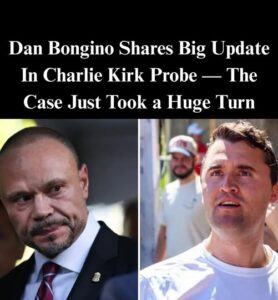
What transformed this case into a national story, however, was not just the assassination of a high-profile conservative figure. It was the question of whether Robinson acted alone. FBI Director Kash Patel, in testimony before Congress, stated that the agency was exploring “a wider network of potential accomplices.” While Patel emphasized that no conclusions had been reached, the FBI has acknowledged that it is examining the possibility that Robinson received tactical, financial, or ideological support. This includes reviewing interactions in online groups, private message exchanges, and digital communities where the suspect participated.
In the days following the shooting, investigators reportedly traced Robinson’s involvement in multiple online chat groups across platforms known for anonymity. Digital forensics teams have been poring over logs, posts, deleted messages, and user data. According to sources familiar with the inquiry, more than 20 individuals who communicated with Robinson in the weeks leading up to the attack are being reviewed. Their roles range from possible ideological influencers to individuals who may have had knowledge of the plot.
Investigators are also examining whether anyone at the Utah Valley University event itself may have been aware of the attack ahead of time. A viral video showed a TikTok user posing a pointed question to Kirk moments before the shot was fired. While some have speculated about foreknowledge, authorities have urged the public not to draw conclusions until evidence is fully examined. In congressional questioning, the FBI confirmed it is issuing subpoenas for phone records, financial statements, and digital accounts of individuals who communicated with Robinson before the shooting.
The volume of public engagement has been extraordinary. Utah Governor Cox announced that the FBI received over 7,000 tips in the first several days alone, an unusually high number for a single-incident investigation. Federal analysts have been working around the clock to sort credible leads from misinformation. Law enforcement officials have repeatedly warned the public that false claims circulating online have hindered the investigation. Several politically motivated rumors have already been debunked, but new ones continue to surface daily.
One of the more concerning threads in the inquiry involves Robinson’s potential ideological radicalization. Preliminary statements suggest Robinson held angry, polarized political views and expressed hatred for Kirk’s beliefs. However, investigators have not publicly confirmed the motive. Governor Cox, in a statement that drew national attention, suggested that Robinson may have been ideologically “indoctrinated,” but emphasized that this characterization remains speculative until the investigation concludes.
Evidence recovered near the rifle reportedly included unspent shell casings with unusual inscriptions. While some media outlets have claimed the engravings suggest certain political affiliations or online subcultures, federal investigators have not validated these claims. The FBI has stated that the inscriptions are part of the evidence review but cautioned that their meaning is not yet established.
Questions have also been raised about campus security procedures at Utah Valley University. Because the event drew thousands of attendees, some have criticized the lack of metal detectors and rooftop security. University officials have acknowledged that they are conducting a full internal review of safety protocols. The fact that the shooter accessed a rooftop vantage point undetected has fueled debate about campus preparedness for high-profile political speakers.
In addition to digital leads, investigators are analyzing Robinson’s offline life. Authorities are reviewing his living situation, employment, financial history, and personal relationships. Court documents indicate he lived with a roommate at the time of the shooting, and investigators have interviewed individuals familiar with the household environment. Psychological assessments, though private, are believed to play a role in understanding Robinson’s trajectory leading up to the attack.
As investigators work through a mountain of evidence, the legal case continues to develop. Prosecutors are expected to pursue the death penalty, citing the calculated nature of the shooting and its execution in a crowded public space. Pretrial discussions have focused on discovery, evidence admissibility, and scheduling. Robinson’s defense team has argued that the government is withholding too much information too early, while prosecutors insist that the scale of the investigation requires careful, methodical disclosure.
Public reaction remains polarized. Supporters of Kirk have held vigils, created memorials, and demanded swift justice. Political commentators on both sides of the spectrum have weighed in, with some warning about a rising tide of politically motivated violence. Others have called for restraint until the FBI concludes its inquiry. Social media continues to amplify every rumor, statement, and theory, complicating the challenge of navigating truth in a highly charged environment.
As of now, the FBI maintains that the investigation is active and ongoing. Officials have reiterated that much of the evidence is still being processed and that no definitive conclusions should be drawn about motive or possible accomplices until the review is complete. Investigators continue to encourage anyone with information, however small, to come forward. They have emphasized that the success of the case depends not only on forensic breakthroughs but also on community cooperation and patience.
The killing of Charlie Kirk has forced national conversations about security at political events, the influence of online radicalization, and the boundaries of public discourse. More importantly, it has highlighted the complexity of modern investigations, which now require navigating enormous digital landscapes alongside traditional forensic work. The question of whether Robinson acted alone remains one of the most crucial aspects of the case, one that could reshape how authorities interpret politically motivated violence in the future.
For now, the suspect is in custody, but the ripple effects of the shooting continue to expand. Political communities across the country are reckoning with the implications of the event, law enforcement agencies are reexamining their protocols, and investigators remain focused on uncovering every detail that led to the tragic moment when a single bullet ended the life of a prominent political figure. Until the full truth emerges, the case stands as one of the most significant and closely watched criminal investigations of the decade.