Summer is a time many of us eagerly anticipate: longer days, warm evenings, and more opportunities to enjoy outdoor activities. Whether it’s gardening, hiking, camping, or simply spending time with friends and family, being outside is a key part of the season.
Yet with the joys of summer come more insects. Mosquitoes, ticks, and other biting pests become more active in warm weather. While many are familiar with the risks posed by these common insects, there’s another group of bugs that is increasingly gaining attention in certain regions of the United States: assassin bugs.
Although encounters with assassin bugs are still relatively rare compared to mosquito or tick bites, understanding what they are, where they live, and how to protect yourself can help reduce risk and ensure prompt care if exposure occurs.
What Are Assassin Bugs?
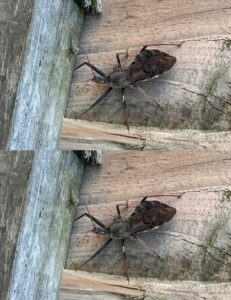
Assassin bugs belong to the Reduviidae family, a large group of insects with many species. Most assassin bugs are harmless predators, feeding primarily on other insects. However, one subgroup—often called “kissing bugs”—can pose a health concern for humans.
Kissing bugs earn their name because they tend to bite near the face, particularly around the lips or eyes, usually while a person is asleep. These bites are typically painless, allowing the insect to feed unnoticed.
While not every assassin bug transmits disease, some species can carry Trypanosoma cruzi, the parasite responsible for Chagas disease. Understanding this distinction is crucial: a bite alone does not automatically cause infection. Transmission depends on contact with the parasite, which is typically present in the insect’s feces.

Why Assassin Bugs Can Be a Concern
The main danger from these insects is not the bite itself but what may follow. After feeding, kissing bugs sometimes defecate near the bite site. If the feces contain Trypanosoma cruzi, the parasite can enter the body through broken skin or mucous membranes such as the eyes or mouth.
Scratching a bite increases the risk, as it can push any contaminated material into the skin. Similarly, if feces come into contact with the eyes or mouth, there is a potential for infection.
It’s important to stress that Chagas disease is not spread directly through saliva or by the bite itself. Awareness, hygiene, and careful observation after suspected exposure are key to preventing infection.
Understanding Chagas Disease
Chagas disease is a parasitic infection that can affect multiple systems in the body, including the heart, digestive system, and nervous system. While most cases occur in Latin America, some instances have been reported in the southern United States.
Early (Acute) Phase
Symptoms may appear within weeks or months after infection, though many people show no signs at all. When symptoms occur, they are often mild and nonspecific, which makes early detection difficult. Possible early symptoms include:
- Fever
- Fatigue
- Headaches
- Muscle aches
- Skin rashes
- Loss of appetite
- Swelling near the bite site
- Swelling around the eye if the parasite enters through the eye
Because these symptoms resemble many common illnesses, it can be easy to overlook early infection.
Chronic Phase
If left untreated, the parasite can persist in the body for years, often without causing noticeable symptoms. Over time, chronic infection may damage critical organs. The heart is most at risk, leading to potential complications such as:
- Irregular heart rhythms
- Enlargement of the heart
- Heart failure
- Increased stroke risk
Digestive issues can also occur, though they are less common in the United States. Long-term effects can be serious, making early medical evaluation essential.
Prompt diagnosis and treatment greatly improve outcomes, highlighting the importance of seeking care if you suspect exposure.

Where Assassin Bugs Are Found
Assassin bugs have been observed across much of the U.S., with higher concentrations in southern states such as Texas, Arizona, New Mexico, and parts of California. Their range appears to be slowly expanding, influenced by climate and environmental changes.
These insects typically prefer outdoor habitats with shelter. Common hiding spots include:
- Woodpiles
- Leaf litter or brush
- Rock piles
- Animal nests
- Under porches, decks, or sheds
While they are primarily outdoor insects, assassin bugs can occasionally enter homes, especially where gaps, cracks, or clutter provide hiding places.
How Assassin Bugs May Enter Your Home
Houses near wooded areas, gardens, or undeveloped land may experience more frequent indoor encounters. Assassin bugs are attracted to lights at night and may enter through:
- Cracks or gaps around doors and windows
- Damaged screens
- Open vents
- Poorly sealed foundations
Once inside, they usually hide in dark, undisturbed areas like closets, behind furniture, or near sleeping spaces.
How to Identify Assassin Bugs
Correct identification is important, as many harmless insects can look similar. Typical characteristics of assassin bugs include:
- Oval or elongated body shape
- Dark brown or black coloring with red or orange markings
- Size of 1 to 1.5 inches long
- Cone-shaped head and long legs
If you suspect an insect may be an assassin bug, avoid handling it with bare hands. Use gloves or a tool to safely capture it for identification if needed.
Preventing Assassin Bugs Around Your Home
Reducing risk involves removing potential shelters and limiting access.
Outdoor Prevention
- Clear woodpiles, brush, and leaf litter from near your home
- Keep gardens and landscaping tidy
- Store firewood away from the house
- Reduce clutter around porches and sheds
Indoor Prevention
- Seal cracks and gaps in doors, windows, and foundations
- Repair damaged screens
- Install weather stripping where necessary
- Keep bedrooms and sleeping areas clean and uncluttered
These practices also help prevent other common pests, making your home safer overall.
What to Do If You Find an Assassin Bug
- Do not touch it with bare hands
- Capture it safely using gloves or a container
- Seal it if identification is needed
- Contact local health or agricultural services for guidance
Proper identification helps determine if further action is required.
Steps to Take if You Are Bitten
If bitten by an assassin bug:
- Clean the area with soap and water
- Avoid scratching the bite
- Monitor for unusual symptoms like fever, fatigue, or swelling
- Seek medical care promptly
A healthcare provider may recommend tests to rule out infection. Early treatment can prevent long-term complications and improve recovery outcomes.
Protecting Children and Pets
Children and pets may be at higher risk due to their proximity to the ground and limited awareness of insects. Tips to reduce exposure include:
- Inspect sleeping areas regularly
- Keep pet bedding clean
- Maintain clutter-free outdoor spaces
Pets can also be bitten, and veterinary consultation is advised if they show signs of illness after potential exposure.
Staying Informed Without Panic
Encounters with assassin bugs are uncommon, and the overall risk of infection is low when preventive measures are followed. Awareness is the most effective tool. By knowing how to identify these insects and understanding how infection occurs, you can protect your family while continuing outdoor activities.
Maintaining Safe Outdoor Habits
Summer should remain a time of enjoyment and connection with nature. Practical measures—cleaning surroundings, sealing entry points, and promptly addressing bites—help reduce risk.
With informed choices, preventive routines, and early medical attention when necessary, the potential dangers associated with assassin bugs can be minimized. This ensures a safer and healthier summer for everyone, without limiting outdoor fun.