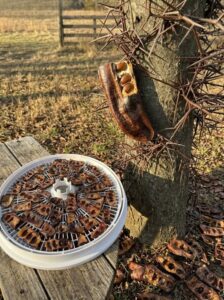
Often seen simply as a decorative or shade tree, the honey locust has a history of usefulness that many people overlook. Many neighborhoods across North America feature this tree along sidewalks, in parks, and throughout open landscapes. Its delicate leaves and graceful canopy provide shade without blocking too much sunlight, making it a popular choice for landscaping. Yet behind this familiar appearance lies a long story of practical value.
For centuries, communities have quietly relied on the honey locust tree in ways that modern observers may not immediately recognize. Long before supermarkets, hardware stores, and mass-produced materials became common, people depended heavily on local plants to meet their needs. Trees, in particular, served as a source of food, tools, shelter materials, and even medicine.
The honey locust, scientifically known as Gleditsia triacanthos, stands out as one of those multipurpose trees that quietly supported human life. Native to North America—especially the Mississippi River Valley—it adapted well to different soils, climates, and landscapes. Because of its resilience and versatility, the honey locust became an important natural resource for Indigenous communities, early settlers, and farmers.
Today, many people pass by honey locust trees without realizing how useful they once were. Their long seed pods, sturdy wood, and ecological benefits reveal a deeper story about how humans and nature have worked together over time. By taking a closer look at this often-overlooked tree, we can rediscover the many ways it has contributed to daily life for generations.
A Tree Native to North America
The honey locust tree has deep roots in the natural history of North America. It grows naturally throughout the central and eastern regions of the continent, especially in areas surrounding river valleys and fertile plains. Historically, large populations of these trees thrived in the Mississippi Valley, where rich soils and seasonal flooding created ideal conditions for growth.
In the wild, honey locust trees can reach heights of 70 to 100 feet, with wide, spreading branches and distinctive compound leaves. During the growing season, their foliage creates a light, dappled shade that allows sunlight to reach the ground below. This unique canopy structure sets them apart from many other shade trees, which often form dense layers that block out light entirely.
Another notable feature of the honey locust is its striking seed pods. These pods can grow up to a foot long and curve gently as they mature. When ripe, they turn a rich brown color and often fall to the ground in late autumn. Inside each pod lies a sticky, sweet pulp surrounding several hard seeds.
For centuries, these pods have played a key role in the tree’s usefulness. While the tree itself may appear ordinary at first glance, its pods contain a surprising source of natural sweetness.
The Sweet Secret Inside the Pods
The honey locust earned its name from the sweet pulp found inside its seed pods. This pulp contains natural sugars that give it a flavor reminiscent of honey or molasses. In a time before refined sugar became widely available, such sweetness was a valuable resource.
Indigenous communities across North America recognized the potential of these pods long before European settlers arrived. They collected ripe pods and used the pulp as a natural sweetener in various foods and drinks. Sometimes the pulp was simply eaten as a treat, offering a rare taste of sweetness in the natural landscape.
The pods could also be soaked in water to create a mildly sweet beverage. In some cases, people fermented the mixture to produce a traditional drink. These beverages were often enjoyed during gatherings or seasonal celebrations, highlighting the role of the honey locust in cultural traditions.
Early settlers learned about these uses from Indigenous groups and began incorporating the pods into their own diets. In frontier communities where store-bought sugar was scarce or expensive, the honey locust became an important substitute.
The seeds inside the pods also had practical value. Although they are quite hard, they could be roasted and sometimes ground into meal. While not a staple food, the seeds represented another example of how people used every part of available plants.
A Resource for Early Settlers
When European settlers expanded across North America, survival often depended on learning how to use the natural environment effectively. Local plants and trees provided critical resources for food, tools, and building materials.
The honey locust quickly became one of the many trees settlers learned to appreciate. Its seed pods offered a sweet treat, while its wood provided strong, durable material for everyday needs.
Life on the frontier demanded creativity and resourcefulness. Families could not rely on constant supplies from distant cities, so they adapted to the resources available in the surrounding forests and fields. Trees like the honey locust played a quiet but essential role in helping communities establish themselves in unfamiliar territory.
Because honey locust trees grew quickly and tolerated difficult soil conditions, they often appeared in farm landscapes and along rural property lines. Over time, they became a familiar sight in agricultural regions across the United States.
Strong and Durable Wood
Beyond its edible pods, the honey locust tree is also valued for its strong and resilient wood. The wood is dense and naturally resistant to decay, making it especially useful for outdoor construction.
In earlier centuries, farmers frequently used honey locust wood to create fence posts. These posts could withstand years of exposure to rain, sun, and soil without rotting as quickly as other types of wood. This durability saved time and effort for farmers who relied on sturdy fencing to manage livestock and protect crops.
Tool handles were another common use. The strength of honey locust wood allowed it to withstand repeated impacts, making it suitable for hammers, axes, and farming implements. For people working long hours in fields and workshops, reliable tools were essential.
Even today, woodworkers sometimes appreciate honey locust lumber for its attractive grain and durability. Although it is not as widely used as oak or maple, it remains a valuable material for certain projects.
Natural Soap from the Tree
One of the more unusual uses of the honey locust involves its natural cleansing properties. The bark and pods contain compounds that produce a mild lather when mixed with water.
Long before commercial soaps became widely available, people experimented with natural materials that could help with cleaning. Plants containing natural saponins—substances that create foam—were particularly useful.
When crushed and mixed with water, parts of the honey locust tree could produce a gentle, soap-like solution. This mixture could be used to wash hands, fabrics, or household items. Although it did not create the thick bubbles of modern soaps, it offered a simple and effective cleaning option.
This discovery reflects the ingenuity of people who relied on nature to solve everyday problems. By observing how plants behaved in water and experimenting with different preparations, they uncovered practical uses that might otherwise have gone unnoticed.
Wildlife and Ecological Benefits
The honey locust tree also plays an important role in supporting wildlife and healthy ecosystems. Its seed pods provide food for various animals, including deer, rabbits, and small mammals. When the pods fall to the ground in autumn, they become an accessible source of nutrition during colder months.
Birds may also benefit from the insects attracted to the tree’s flowers. During the blooming season, honey locust trees produce clusters of small greenish flowers that attract bees and other pollinators. These insects, in turn, support broader ecological networks by helping pollinate nearby plants.
Another ecological advantage of the honey locust is its open canopy. Unlike dense shade trees, the honey locust allows sunlight to filter through its leaves. This light encourages grasses and smaller plants to grow beneath the tree.
As a result, landscapes containing honey locust trees often maintain a healthy layer of ground vegetation. This vegetation provides habitat for insects and small animals, contributing to overall biodiversity.
The Evolution of Thornless Varieties
One of the most distinctive features of wild honey locust trees is their large, sharp thorns. These thorns can grow several inches long and often appear in clusters along the trunk and branches.
Historically, these thorns likely served as a defense against large grazing animals. Some scientists believe they may have evolved to deter extinct megafauna that once roamed North America.
However, the presence of thorns made the trees less appealing for residential areas. Over time, horticulturists developed thornless varieties specifically for landscaping. These cultivated trees retain the graceful shape and light canopy of the original species while eliminating the dangerous thorns.
Today, thornless honey locust trees are widely planted in parks, city streets, and suburban yards. Their filtered shade makes them ideal for lawns and gardens, allowing grass and flowers to grow underneath.
A Popular Choice for Urban Landscaping
Modern city planners and landscape designers often select honey locust trees for urban environments. Their adaptability allows them to thrive in a range of conditions, including compacted soils, pollution, and changing weather patterns.
The tree’s delicate foliage provides shade without creating dark, heavy shadows, which helps maintain bright and welcoming outdoor spaces. In autumn, the leaves turn a soft golden color before falling, adding seasonal beauty to city streets and parks.
Another advantage is that honey locust leaves are relatively small and break down quickly when they fall. This reduces cleanup efforts compared to trees with large leaves that accumulate in thick piles.
Because of these qualities, the honey locust has become a favorite for landscaping in many communities across North America.
Cultural and Historical Significance
Beyond its practical uses, the honey locust tree carries cultural significance for many communities. Indigenous knowledge systems recognized the tree’s potential long before scientific classification systems existed.
Traditional plant knowledge included understanding when pods were ready to harvest, how to prepare them safely, and how to use different parts of the tree for various purposes.
These traditions represent generations of careful observation and experience with the natural world. Even today, researchers and botanists continue learning from this knowledge, recognizing its importance in understanding ecosystems and sustainable resource use.
By studying the history of plants like the honey locust, we gain insight into the deep relationships between people and their environment.
Rediscovering Traditional Knowledge
In recent years, there has been growing interest in rediscovering traditional plant uses. Many people are exploring local plants for food, medicine, and sustainable materials.
The honey locust tree is one example of how common species can hold hidden potential. Although modern grocery stores provide countless sweeteners and processed foods, natural alternatives like honey locust pulp remind us of earlier ways of living.
Learning about these uses does not mean abandoning modern conveniences. Instead, it highlights the creativity and adaptability of people who lived closely with the land.
Understanding these traditions can inspire a deeper appreciation for the natural resources surrounding us.
The Importance of Looking Closer
One reason the honey locust’s usefulness often goes unnoticed today is that modern life rarely requires us to rely directly on local plants. Supermarkets supply food, hardware stores provide building materials, and cleaning products come from factories.
As a result, many people see trees primarily as decorative features rather than practical resources.
Yet history shows that these plants once played vital roles in daily survival. From sweet pods to durable wood, the honey locust quietly supported communities in ways that are easy to overlook today.
Taking time to learn about such trees encourages a broader understanding of the natural world and its contributions to human life.
A Reminder from Nature
The honey locust tree stands as a reminder that nature often offers value in subtle ways. Its pods, wood, flowers, and ecological benefits demonstrate how a single species can serve multiple purposes.
While modern society may not depend on honey locust trees as heavily as earlier generations did, their presence continues to enrich landscapes and ecosystems.
They provide shade on hot summer days.
They support pollinators and wildlife.
They connect us to a history of resourcefulness and cooperation with the natural environment.
Conclusion
The honey locust tree is far more than a simple shade tree. Its long history of practical uses—from sweet seed pods to durable wood and natural cleaning properties—reveals the remarkable versatility of this native species.
For generations, people relied on the honey locust to provide food, materials, and environmental benefits. Indigenous communities, early settlers, and farmers all discovered ways to incorporate the tree into their daily lives.
Today, even as modern technology reduces our dependence on such natural resources, the honey locust remains an important part of the landscape. Its ability to support wildlife, thrive in diverse conditions, and beautify urban spaces ensures that it continues to play a valuable role in North American ecosystems.
By looking more closely at familiar trees like the honey locust, we gain a deeper appreciation for the quiet gifts nature provides. Sometimes the most ordinary parts of our environment hold the most extraordinary stories—waiting patiently for someone to notice.