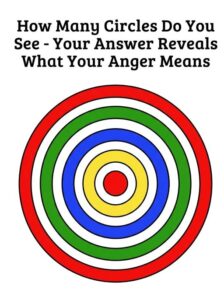
A colorful optical illusion has been making the rounds online, inviting people to count how many circles they can spot in a single image. Some versions playfully suggest that the number you see might say something about your personality or attention style. While these claims aren’t based on scientific testing, that’s part of the charm. The activity is lighthearted, easy to try, and instantly shareable. Whether you notice a few circles or a surprising number of them, the experience itself becomes a small moment of curiosity and delight.
What makes these visual puzzles enjoyable isn’t the promise of a deep personal analysis. Instead, it’s the way they encourage us to pause and look more carefully. Our brains are constantly filtering information, choosing what to focus on and what to ignore. A simple image filled with shapes can reveal just how differently people observe the same scene. Some notice large patterns first, while others catch tiny details right away. Comparing results with friends or family often leads to laughter and lively conversation, as everyone explains what they saw and how they counted.
These playful illusions also offer a refreshing break from the usual stream of serious content online. They don’t require special knowledge or skills, and there’s no pressure to get a “correct” answer. The experience is quick, relaxing, and engaging. Many people enjoy sharing their results in comments or group chats, which sparks friendly debates and playful challenges. That shared participation is part of what makes these trends spread so fast — they turn a simple picture into a social experience.
Next time you come across an image asking you to count circles or spot hidden shapes, give it a try. Take a moment to observe, enjoy the surprise of what you notice, and see how others respond. The real value isn’t in what the result supposedly says about you, but in the brief pause it creates in your day — a chance to look closer, think differently, and connect through a shared bit of fun. In a busy digital world, small visual games like these remind us that curiosity and playfulness can be just as meaningful as any serious test, and sometimes even more memorable.