We’ve all experienced it. You’ve just settled into bed with your freshly made pillow, feeling cozy and ready for a good night’s sleep. But then, there it is—the uncomfortable sensation of a tag scratching against your skin. For many, it’s a brief annoyance, but for some, it’s enough to stir up a serious question: Is it really illegal to remove the tag on your pillow?
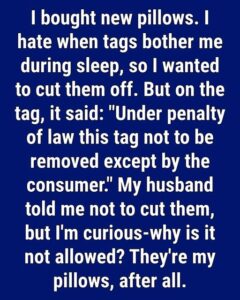
If you’ve ever caught a glimpse of the words “Under penalty of law, this tag not to be removed except by the consumer,” you’ve probably been puzzled—just like I was. The language is so formal and dramatic that it makes you wonder if you’re committing some sort of crime by simply cutting the tag off. But what exactly does it mean? Is there some hidden law lurking behind that tiny label, waiting to catch you off guard if you dare to trim it off?
Before you dive into a panic, let’s clear this up once and for all. Spoiler alert: It’s not nearly as dramatic as it seems. Let’s break it down.
What Exactly Is That Tag on Your Pillow?
The tag you see attached to your pillow, mattress, or couch cushion isn’t just some random piece of fabric—it’s officially called a law label. While the name may not sound all that exciting, it serves an important purpose. These tags were created to provide consumers with valuable information about the contents of the product they’re buying. It’s there to protect you, the consumer, and to ensure that manufacturers are being honest about what goes into the products you purchase.
A long time ago, bedding manufacturers weren’t always transparent about the materials they used in their products. Some companies, in an attempt to save costs, would fill their pillows and mattresses with questionable, sometimes even unsanitary materials—like horsehair, recycled materials, and other less-than-appealing stuffing. To prevent this, laws were introduced requiring manufacturers to label the contents of their products so that buyers could make an informed decision before purchasing.
Decoding the Mystery of the Tag’s Message
So, let’s talk about that line that causes all the confusion: “Under penalty of law, this tag not to be removed except by the consumer.”
At first glance, it might make you feel like you’re doing something illegal just by cutting off the tag. It sounds like a serious legal warning, like you might be fined or arrested. But here’s the twist: the warning is aimed at retailers and manufacturers, not you.
The law mandates that these tags remain on the products until they’re sold to the consumer. If a store or manufacturer removes the tag before it reaches you, they could be in violation of the law. But once the item is in your hands, you’re free to do whatever you want with it—including cutting off that tag.
So, the next time you find yourself feeling itchy or annoyed by the tag on your pillow, don’t worry. Go ahead and snip it off. It’s not illegal for you as the consumer.
Why Do You Need the Tag Anyway?
Okay, so you’ve decided that cutting off the tag isn’t illegal, but is it really necessary to keep it on your pillow or mattress? The answer: it depends.
While it’s not required by law to keep the tag once you’ve purchased the item, there are a few situations where you might want to think twice before cutting it off immediately:
-
Proof of Purchase or Warranty: Some manufacturers or stores may ask for proof of purchase when returning an item or filing a warranty claim. The tag often includes information like the product’s manufacturer, type of materials used, and other important details that may be needed.
-
Care Instructions: Sometimes, the law label includes washing and care instructions. While many pillows have a separate care tag for washing information, some may include them on the main label. If you cut it off, you could miss out on valuable information that helps keep your pillow in good condition.
-
Reselling: If you plan on reselling your pillow or mattress (or donating it), some people might ask for the law label to ensure that it’s clean and free from contaminants. If you remove the tag, you could potentially lose out on a sale or donation opportunity.
Why Does the Language of the Tag Seem So Dramatic?
You may be wondering why the phrase “under penalty of law” is still used in the first place. It definitely sounds intense, right? The reality is that the language comes from outdated regulations. The “except by the consumer” clause was added over time to clarify the message, but the dramatic tone stuck around.
The truth is that the purpose of this law has changed over time, and while it might sound alarming, the intent behind the tag is simply to ensure that the consumer gets accurate information about the product they’re purchasing. Today, this language seems almost anachronistic, as manufacturers and retailers are generally committed to transparent labeling practices.
Are There Any Exceptions Where You Shouldn’t Cut the Tag?
While cutting the tag off your pillow or mattress is typically not an issue, there are some exceptions where you might want to hesitate:
-
Crib Mattresses and Baby Products: Items like crib mattresses, baby pillows, or car seats often have additional safety regulations and labeling requirements. If you remove these tags, you might inadvertently void the product’s safety certification. It’s generally recommended to leave these tags intact for the sake of safety.
-
Donations and Resale: If you’re planning to donate or resell a mattress, pillow, or other similar product, some organizations or buyers might require the law label to be intact as proof that the product is new or gently used. In these cases, it’s worth leaving the tag on.
-
Warranty Claims: Some manufacturers may void the warranty if the law label is removed, as it contains essential information about the product. So, if you plan on using the warranty, you may want to keep the tag.
The Bottom Line: Should You Cut Off Your Pillow Tag?
At the end of the day, if it’s your pillow, your mattress, or your couch cushion, and the tag is annoying you, you can go ahead and cut it off. The legal drama surrounding the label is more about the manufacturer’s responsibility than it is about yours as the consumer. Once the product is yours, you have the freedom to do whatever you like with it.
However, before you go on a tag-cutting spree, make sure there are no critical pieces of information that you might need down the road, like care instructions or warranty details. If you don’t need those details, feel free to trim away and enjoy a tag-free, more comfortable pillow!
What About the Tags on Other Furniture?
You might also find similar tags on other furniture like sofas or chairs. These tags serve the same purpose: to ensure the product is made of safe materials and to provide information to consumers about the composition of the product.
Just like with pillows and mattresses, the law labels on furniture are designed to give consumers confidence that the product meets the required safety standards and is made with quality materials. While you’re not legally required to keep these tags once the item is yours, remember that in certain situations—such as resale or warranty claims—it may be worth keeping them.
Is It Safe to Cut the Tag If You’re Not Sure About the Information?
If you’re ever uncertain about what’s listed on the tag or if you think it contains vital information you might need later, it’s better to leave it on. If you really can’t stand the tag, consider taking a picture of it for reference before cutting it off. This way, if you ever need to reference the information (such as for warranty claims or reselling), you’ll still have it on hand.
Conclusion: No Need to Stress About Cutting the Tag Off
Ultimately, there’s no need to worry about cutting the tag off your pillow, mattress, or furniture. The dramatic warning may sound a bit ominous, but it’s really there to protect consumers during the purchasing process, not to impose restrictions once the product is in your hands. The key takeaway is that you have the right to do what you want with the product once it’s yours, including removing those annoying tags. Just keep in mind that in some specific cases—like when dealing with warranties, safety certifications, or reselling—you might want to think twice before cutting them off.
Next time you’re lying in bed, itching to snip that tag away, remember that you have the freedom to make your space more comfortable—just be mindful of the little details and don’t let that tag spoil your rest!