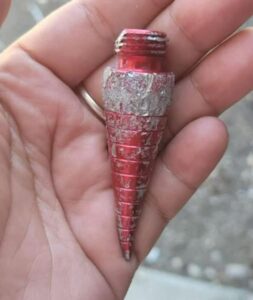
At first glance, it might look like a small, almost insignificant accessory attached to a vehicle’s wheel. A simple threaded piece of metal or plastic sitting on top of the lug nuts doesn’t appear to do much. Many drivers may have noticed them without giving them a second thought. Others might assume they are purely decorative.
But this tiny addition actually serves several practical purposes.
The component in question is commonly known as a lug nut tip, lug nut cover, or lug nut cap. Though small, these threaded additions play a role in protecting vital parts of a vehicle’s wheel assembly while also contributing to the overall look of the wheels.
For car enthusiasts and everyday drivers alike, lug nut tips represent a simple yet effective way to protect hardware, add a layer of style, and sometimes even deter theft. Over time, these modest accessories have evolved from purely functional parts into customizable elements of automotive culture.
In this article, we’ll explore exactly what lug nut tips are, why they exist, how they work, and how they became a surprisingly popular feature among car owners who enjoy both practicality and style.
Understanding the Basics of Lug Nuts
Before discussing lug nut tips, it helps to understand the role of lug nuts themselves.
Lug nuts are the fasteners responsible for securing a vehicle’s wheels to the wheel hub. When you install a wheel, the lug nuts thread onto wheel studs attached to the hub. Once tightened to the correct torque, they hold the wheel firmly in place.
Without properly installed lug nuts, a vehicle simply cannot operate safely. They are essential components that keep the wheels attached while driving, braking, and turning.
Because lug nuts are exposed to the outside environment, they face constant challenges such as:
-
Moisture
-
Road salt
-
Dirt and debris
-
Temperature changes
-
Physical impact
Over time, these factors can lead to rust, corrosion, and wear. That’s where lug nut tips come into play.
What Exactly Are Lug Nut Tips?

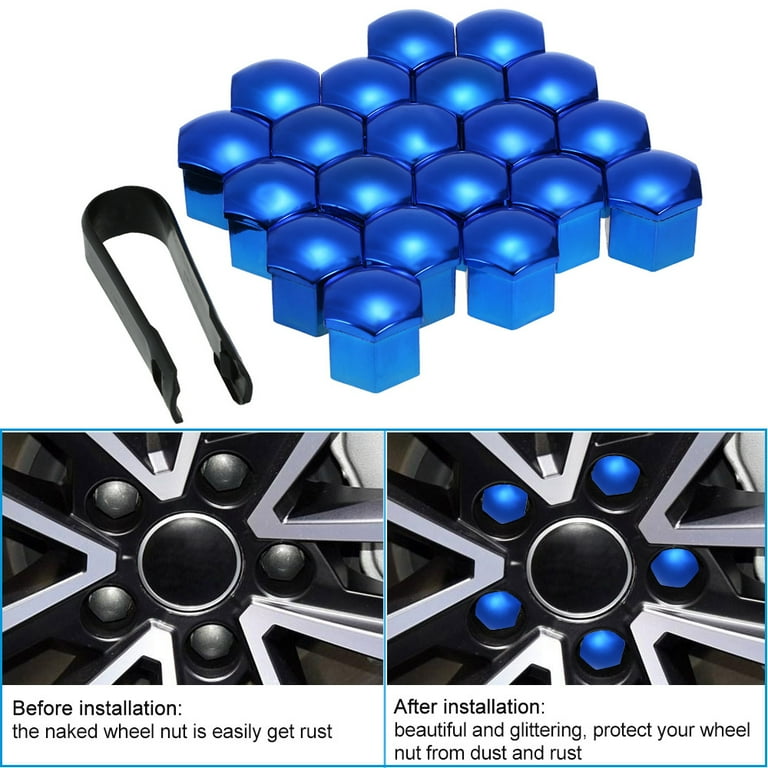
Lug nut tips—often referred to as lug nut caps or covers—are small protective pieces designed to fit over the exposed ends of lug nuts.
They are typically threaded or press-fit components that attach directly onto the lug nut itself. Once installed, they form a protective layer between the lug nut and the external environment.
Although they may seem like purely decorative accessories, their primary purpose is actually functional.
Lug nut tips serve several key roles:
Protection
They shield lug nuts from water, road grime, and corrosive materials that can cause rust.
Appearance
They improve the visual appeal of wheels by creating a cleaner and more polished look.
Minor Security
They add an extra layer of difficulty for anyone attempting to tamper with the lug nuts.
Maintenance
They help prevent debris from clogging the threads or interior of lug nuts.
Because these caps are inexpensive and easy to install, they are considered one of the simplest automotive upgrades available.
Materials Used in Lug Nut Tips

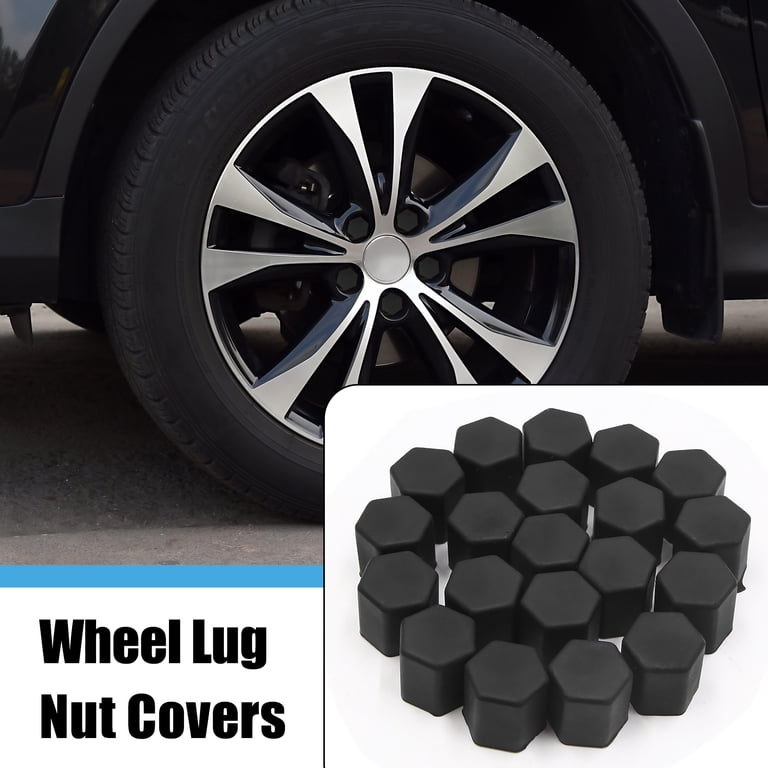

Lug nut tips are manufactured from a variety of materials, each offering different benefits depending on the vehicle and the driver’s preferences.
Plastic
Plastic lug nut caps are among the most common. They are lightweight, inexpensive, and available in a wide range of colors and finishes.
Plastic caps are popular for everyday vehicles because they provide decent protection without adding significant cost.
Metal
Metal lug nut tips—often made from chrome-plated steel or aluminum—are typically used on performance cars or custom vehicles.
These caps provide excellent durability and can withstand harsher environmental conditions. They also offer a polished appearance that enhances the visual impact of the wheels.
Rubber
Rubber versions are sometimes used for utility vehicles or commercial trucks. Their flexibility allows them to absorb minor impacts while still protecting the lug nuts beneath.
Each material type serves the same basic function, but the choice often comes down to aesthetics, durability requirements, and budget.
Design Variety and Customization
One of the reasons lug nut tips have become so popular is the sheer variety of designs available.
Car owners who enjoy customizing their vehicles often look for small details that can enhance the overall appearance without requiring major modifications. Lug nut tips offer exactly that opportunity.
They are available in many styles, including:
-
Chrome or polished finishes
-
Matte black coatings
-
Colored anodized aluminum
-
Logo-engraved caps
-
Decorative shapes
Some designs are sleek and minimal, blending seamlessly with factory wheels. Others are bold and eye-catching, designed to stand out.
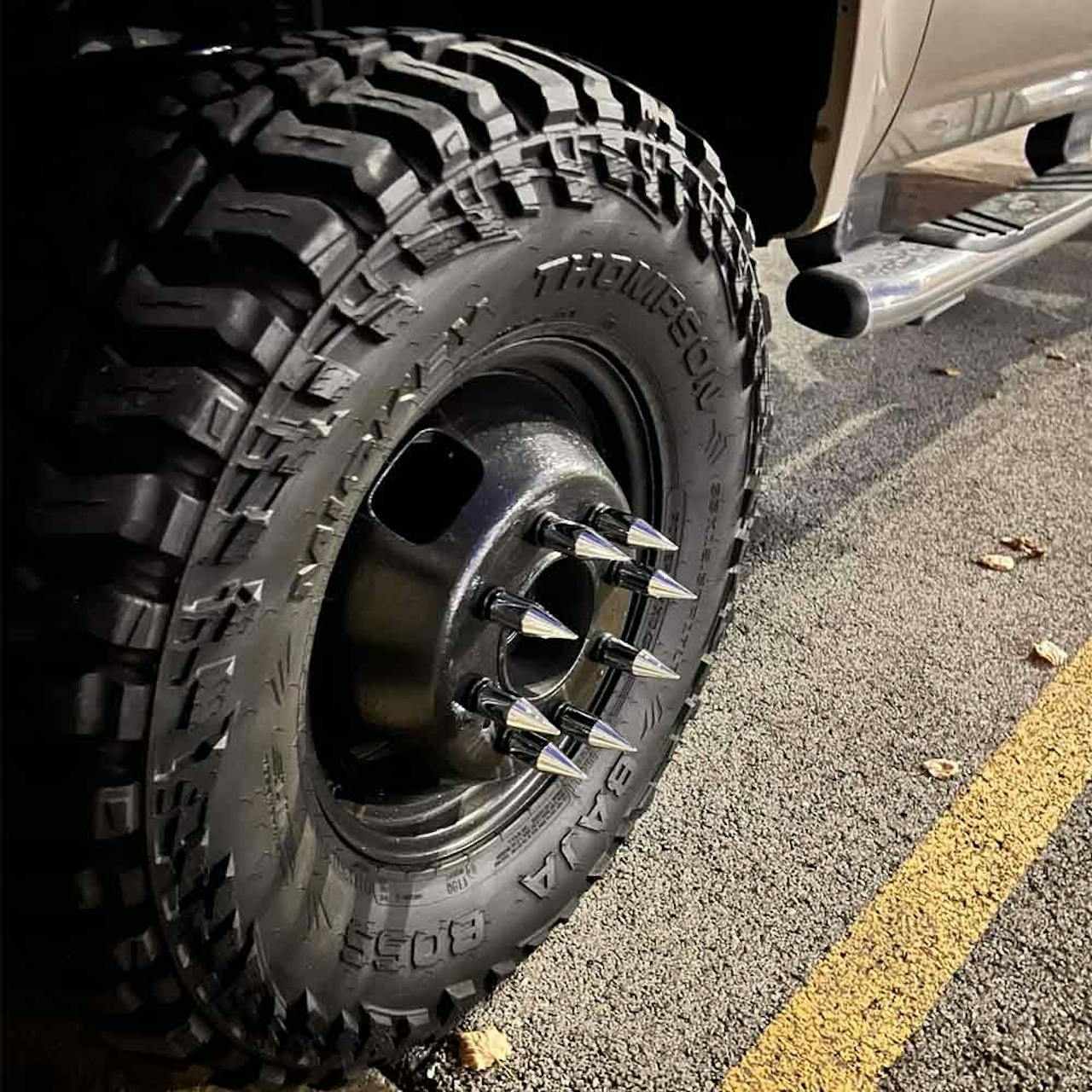
Custom truck owners, for example, sometimes install spiked lug nut covers, which extend outward in a pointed shape. These aggressive designs have become particularly popular among pickup truck enthusiasts.
Because lug nut tips are relatively inexpensive, they allow drivers to experiment with different looks without making permanent changes to their vehicles.
Installation: A Simple DIY Upgrade

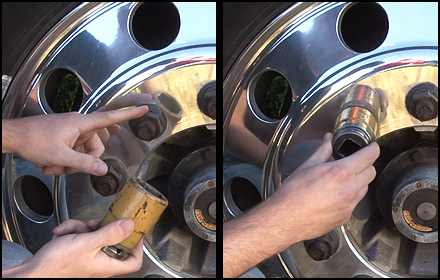

One of the biggest advantages of lug nut tips is how easy they are to install.
Unlike many automotive modifications that require professional tools or mechanical knowledge, lug nut caps can usually be installed by almost anyone.
The installation process typically involves just a few simple steps:
-
Ensure the wheel and lug nuts are clean.
-
Align the cap with the lug nut.
-
Push or screw the cap into place.
Depending on the design, the caps may either:
-
Snap into place
-
Screw onto external threads
-
Slide over the lug nut with friction
Most installations take only a few minutes per wheel.
If a cap needs to be removed—for example, when rotating tires or replacing wheels—it can usually be pulled off with a simple removal tool.
Because the process is so straightforward, lug nut tips are considered one of the easiest do-it-yourself automotive enhancements.
Do Lug Nut Caps Improve Safety?
Although lug nut tips provide some functional benefits, it is important to understand their limitations.
Their main purpose is protection and aesthetics, not structural reinforcement.
They do not replace the proper torque required to secure lug nuts, and they should never be relied upon to prevent lug nuts from loosening.
That said, they can contribute to maintenance in several ways:
-
Preventing debris buildup
-
Reducing exposure to corrosive elements
-
Protecting lug nut surfaces from scratches
By keeping lug nuts cleaner and less corroded, caps can indirectly help maintain the hardware in good condition.
However, drivers should always follow proper maintenance practices such as regular torque checks and wheel inspections.
A Brief History of Lug Nut Tips
Lug nut covers have been around nearly as long as automobiles themselves.
In the early days of the automotive industry, wheels and fasteners were often exposed metal parts with little attention paid to appearance. Vehicles were considered purely functional machines.
But as cars became more than just transportation—and began representing personal style and social identity—drivers started customizing every visible detail.
Manufacturers and aftermarket companies recognized this shift and began offering accessories designed to enhance vehicle aesthetics.
Lug nut caps emerged as one of the simplest ways to upgrade the appearance of wheels.
Initially, these caps were basic protective covers made from simple materials. Over time, they evolved into more decorative pieces that reflected the growing culture of automotive personalization.
The Customization Boom of the 1970s and 1980s


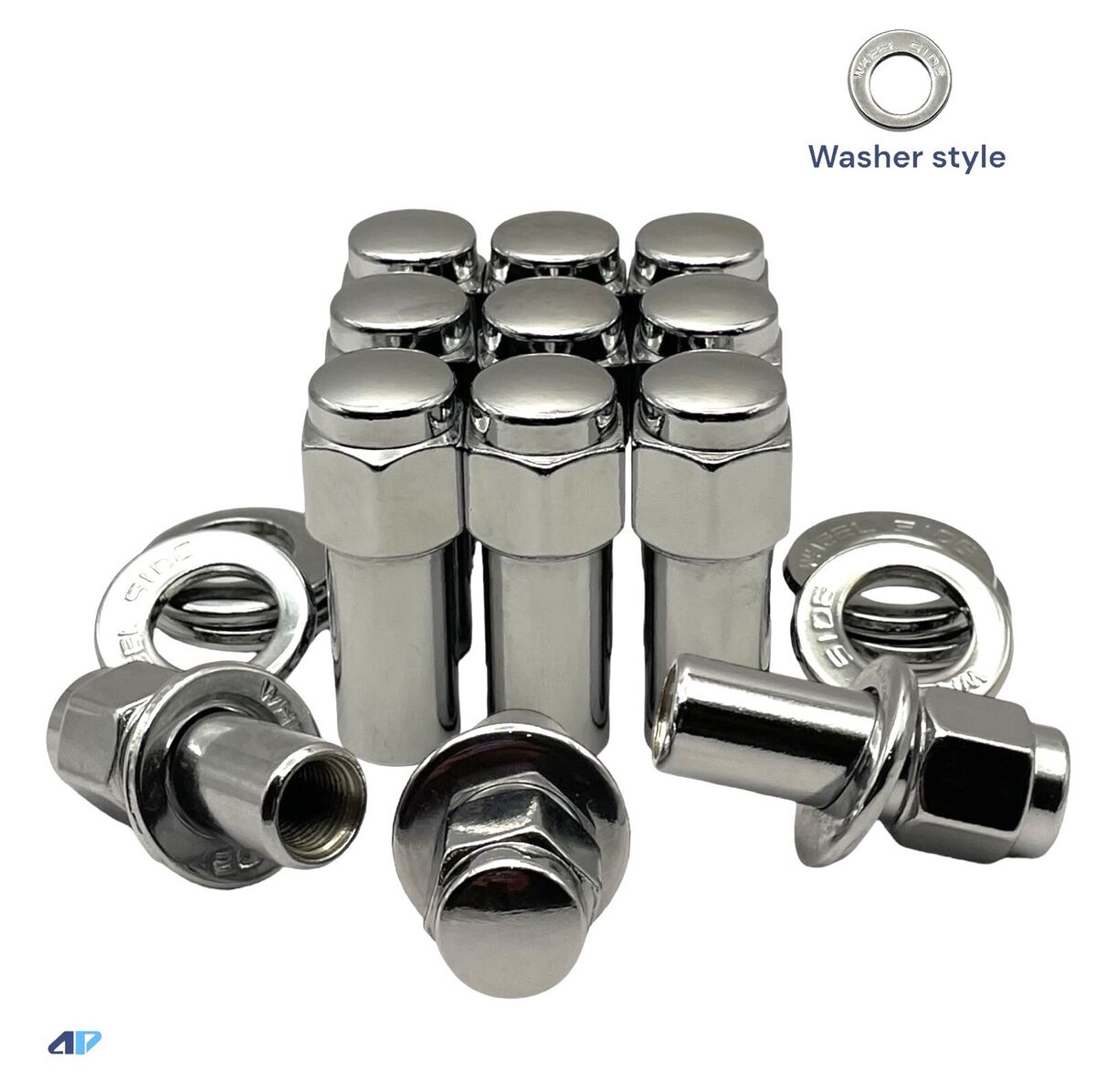
The popularity of lug nut tips surged during the 1970s and 1980s, a time when car customization exploded in popularity.
Car owners began modifying everything from paint colors to wheel designs, turning their vehicles into expressions of personal identity.
During this period, wheels became one of the most important focal points of automotive styling.
Chrome wheels, polished rims, and custom hubcaps were everywhere. Lug nut tips naturally became part of this trend.
Manufacturers began producing caps featuring:
-
Brand logos
-
Decorative engravings
-
Unique shapes
-
Colored finishes
These accessories allowed drivers to add small but noticeable touches to their vehicles.
Car shows and enthusiast gatherings helped spread these trends even further, creating a culture where attention to detail became a badge of pride among car lovers.
Lug Nut Tips in Modern Automotive Culture
Today, lug nut caps remain a common feature across many types of vehicles.
They are especially popular among:
-
Truck enthusiasts
-
Off-road drivers
-
Classic car restorers
-
Car show participants
Modern designs are more durable and varied than ever before. Advances in manufacturing have made it possible to create lightweight yet strong caps with intricate designs.
Some automotive brands even offer factory-installed lug nut covers to enhance the appearance of their wheels.
Meanwhile, the aftermarket industry continues producing endless customization options for drivers who want their vehicles to stand out.
Choosing the Right Lug Nut Tips
Selecting the right lug nut tips involves considering several factors.
Material Quality
Durable materials like stainless steel or aluminum provide better long-term protection against corrosion.
Fit and Compatibility
Not all lug nut caps fit every type of lug nut. Drivers must ensure the caps match their vehicle’s wheel hardware.
Style Preferences
Some drivers prefer subtle designs that blend with their wheels, while others choose bold caps that make a visual statement.
Weather Resistance
Drivers living in regions with heavy rain, snow, or road salt may benefit from more corrosion-resistant materials.
Choosing the right set can improve both the longevity of the lug nuts and the appearance of the wheels.
A Small Upgrade with a Big Visual Impact
Automotive enthusiasts often say that small details make the biggest difference.
Lug nut tips perfectly illustrate this idea.
While they are inexpensive and easy to install, they can dramatically change the look of a vehicle’s wheels.
Clean, polished caps create a finished appearance that makes the entire wheel assembly look more refined.
For custom vehicles or show cars, these details become even more important. Judges and enthusiasts often notice small touches that reflect the owner’s attention to detail.
Even for everyday drivers, adding lug nut caps can make a vehicle feel slightly more personalized.
Appreciating the Details of Car Culture
The world of automotive customization is filled with large upgrades—engine modifications, suspension systems, and custom paint jobs.
But sometimes, the most interesting aspects of car culture lie in the smallest components.
Lug nut tips may seem insignificant at first glance, yet they represent a long tradition of drivers taking pride in their vehicles.
They demonstrate how functionality and style can coexist in even the tiniest automotive parts.
For enthusiasts who enjoy maintaining and improving their vehicles, these small upgrades reflect a deeper appreciation for craftsmanship and design.
Final Thoughts
What initially appears to be a simple threaded addition to a wheel actually serves several meaningful purposes.
Lug nut tips protect important hardware, enhance the appearance of wheels, and contribute to the broader culture of vehicle customization.
They are inexpensive, easy to install, and available in countless styles, making them accessible to both casual drivers and dedicated car enthusiasts.
Over the years, these tiny accessories have evolved from basic protective covers into recognizable symbols of automotive personalization.
The next time you notice small caps covering the lug nuts on a vehicle’s wheels, you’ll know they’re more than just decorative pieces. They are practical components with a history rooted in the evolution of car culture—proof that even the smallest automotive details can carry both function and style.