Bruce Willis has spent more than four decades as one of the most recognizable and enduring figures in Hollywood. His face, voice, and screen presence became cultural touchstones across generations.
From explosive action films that defined the blockbuster era to understated performances in dramatic roles, Willis built a career that was both commercially powerful and emotionally resonant.
He was never just a movie star. He was a constant. Someone audiences trusted to carry a story, whether through humor, toughness, or quiet vulnerability. Today, however, the attention surrounding Bruce Willis has shifted in a way no family ever hopes for.
His loved ones have confirmed that he is living with dementia, a progressive neurological condition that affects cognition, communication, and behavior.
This diagnosis has reshaped not only his life, but the rhythm, structure, and emotional landscape of his entire family. For fans around the world, the news landed heavily.
The man who once portrayed invincible heroes is now facing a reality that no level of fame, wealth, or strength can overcome.
Dementia does not follow a predictable path. It is not a straight line, and it does not unfold according to clear stages that families can neatly prepare for. Some days feel manageable.
Others feel overwhelming. Moments of clarity may appear without warning and disappear just as quickly. This uncertainty is one of the most difficult aspects of the condition.
Inside the Willis household, that reality is lived day by day, not as a headline, but as a deeply personal experience.
Rather than retreating into silence, Bruce Willis’ family has chosen transparency. They have spoken openly about his condition, not to seek sympathy or attention, but to acknowledge the truth and contribute to a broader, more honest conversation about cognitive illness.
Their approach has emphasized unity, dignity, and realism. By sharing what they are facing, they have helped normalize discussions around dementia, a topic that is often avoided or misunderstood.
One of the most candid and thoughtful voices in this conversation has been Bruce Willis’ daughter, Tallulah Willis. In a recent interview connected to her work with luxury silk and bedding brand Kumi Kookoon,
Tallulah spoke with remarkable clarity about what it means to love and support a parent living with dementia. Her reflections were not dramatic or sensational. They were calm, measured, and grounded in lived experience.
Tallulah explained that no two visits with her father are ever the same. That unpredictability is one of the most emotionally challenging aspects of the disease. Before each visit, she prepares herself mentally, not by lowering her standards of love, but by releasing expectations.
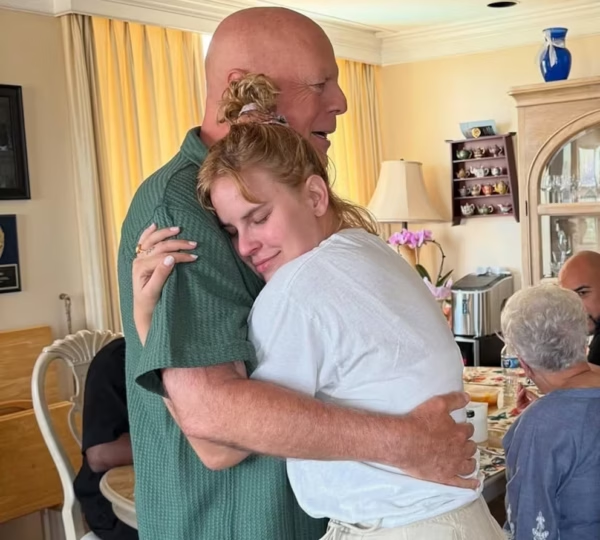
She does not know what her father will remember, how he will communicate, or how long moments of connection might last. Instead of hoping for a specific outcome, she approaches each visit with acceptance.
This mindset, she shared, has been essential. Dementia does not respond to wishful thinking or emotional bargaining. It demands flexibility, patience, and presence.
Tallulah focuses on simply being there. Sitting with her father. Sharing time. Offering warmth and reassurance without placing pressure on the interaction to look a certain way.
Love, in this context, is not about fixing or restoring what has been lost. It is about honoring what still exists.
She described learning to meet her father where he is, rather than where she wishes he could be. That shift does not remove the pain of watching a parent change.
But it allows space for genuine connection without constant disappointment. It acknowledges reality without surrendering compassion.
Tallulah also emphasized that, considering everything, her father is doing as well as he can. This statement is not meant to minimize the seriousness of dementia.
Rather, it reflects a recalibration of what “doing well” means. For the Willis family, progress is no longer measured in future plans or long-term milestones.
Instead, stability, comfort, and moments of calm have become the most meaningful indicators of well-being.
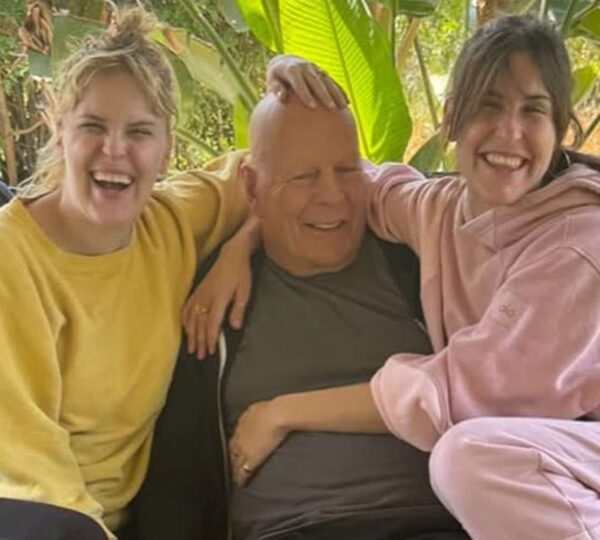
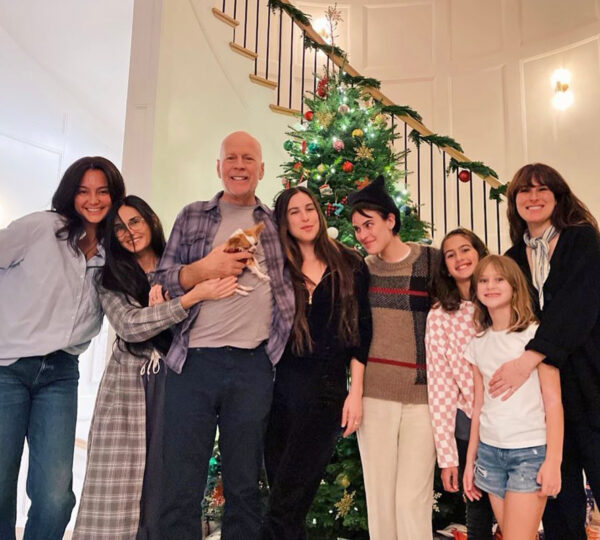
Behind these reflections is a family operating with intention and solidarity. Bruce Willis is surrounded by people who refuse to allow this illness to isolate him.
His wife, his daughters, and extended family members remain consistently present in his life, reinforcing a sense of safety and familiarity. Dementia has a way of shrinking a person’s world.
The Willis family has responded by staying close, consistent, and emotionally engaged.
Tallulah’s perspective carries additional depth because she has openly shared her own diagnosis of autism. She has spoken about how sensory experiences affect her emotional regulation and how she has learned to create comfort and grounding for herself through tactile design, weighted materials, and intentional environments.
These insights are not abstract. They inform how she approaches caregiving and connection.
Through her work with calming textures and thoughtful design, Tallulah has developed a deep understanding of the importance of safety, predictability, and presence.
These principles apply not only to her own needs, but also to supporting someone living with cognitive decline. Gentle environments, emotional readiness, and consistent routines can offer a sense of peace when language and memory become unreliable.
This parallel between her personal journey and her approach to caring for her father highlights an important truth: caregiving is not only about medical support.
It is about emotional intelligence. It is about understanding what helps someone feel grounded, even when they cannot articulate it themselves.
What stands out most in the Willis family’s story is not celebrity or tragedy. It is emotional discipline. The kind that does not romanticize suffering or equate strength with denial.
The family has not presented themselves as heroic figures or sources of inspiration. They have simply committed to doing the work, quietly and consistently, without guarantees or illusions.
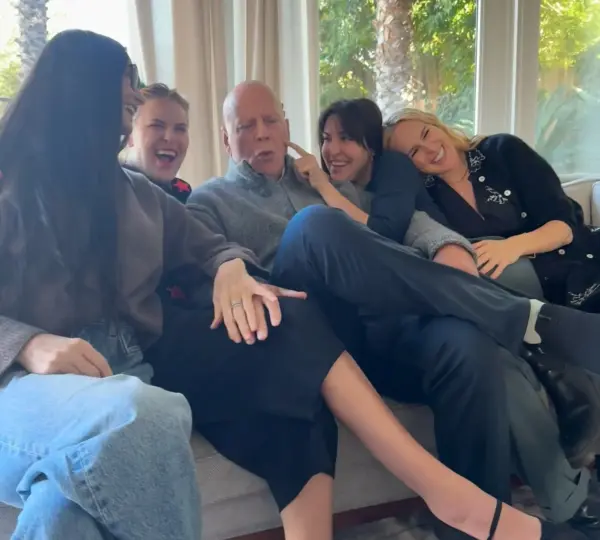
Dementia forces families to confront grief in slow motion. You mourn changes as they happen, not all at once. You grieve conversations that no longer unfold the same way.
You adjust to losses that accumulate gradually. This kind of grief is complex and often misunderstood. It exists alongside love, responsibility, and hope, all at the same time.
In this reality, love does not always look like shared memories or long conversations. Sometimes it looks like sitting together in silence. Sometimes it looks like repetition. Sometimes it looks like letting go of who someone used to be while still honoring who they are today.
Bruce Willis’ journey has prompted many people to reflect on their own families and the fragility of time. It has also brought attention to a truth society often avoids: cognitive illness does not erase dignity.
A person remains a person, regardless of memory loss or changes in communication.
The Willis family’s choice to remain visible through this process matters. It challenges the idea that illness should be hidden.
It affirms that vulnerability is not weakness, and that caregiving is not a footnote to life, but a profound and demanding role that deserves recognition and respect.
For families already living with dementia, this story feels deeply familiar. For others, it serves as a wake-up call. There is no neat resolution here. Dementia does not offer redemption arcs or tidy conclusions.
What it offers instead is a test of patience, compassion, and resilience.
The Willis family is not trying to control the outcome. They are focused on showing up, fully and honestly, even when the future remains uncertain.
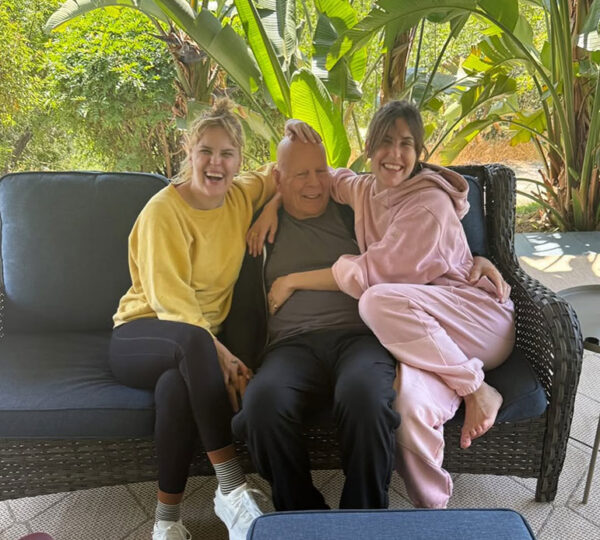
In a culture that often glorifies youth, power, and invincibility, this chapter of Bruce Willis’ life tells a different kind of story.
It is a story about presence over performance. About love over legacy. And about the quiet strength of a family that refuses to let illness define the worth of the person they love.
Their unity does not make the disease disappear. It
does not remove every painful moment. But it does something equally important. It ensures that Bruce Willis is not facing this journey alone.