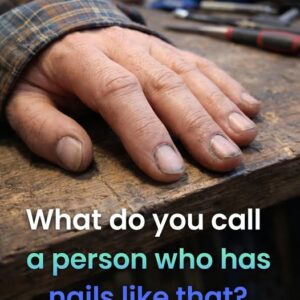
The sight of fingernails darkened by dirt often triggers an immediate reaction. Many people quickly connect unclean nails with poor hygiene, a link that feels logical because cleanliness is emphasized from childhood. We are taught that washing our hands protects us from germs and bacteria, which frequently gather beneath the nails. In professional and social environments, tidy hands are usually seen as a reflection of discipline, self-respect, and personal responsibility. When someone has the means to maintain proper hygiene but consistently neglects it, dirty nails can reasonably suggest carelessness. Personal grooming supports both physical health and social confidence, influencing how others perceive us. In that sense, clean nails often symbolize attentiveness and self-care.
Yet this surface judgment rarely captures the full reality. Stained or darkened nails can just as easily be the natural outcome of demanding, physical work. Mechanics often leave their workshops with grease deeply lodged under their nails. Gardeners and farmers handle soil for hours, and construction workers manage materials that cling stubbornly to the skin. Painters, plumbers, electricians, and welders encounter substances that resist quick removal. In these situations, grime does not signal neglect but effort. It may reflect hours spent repairing, planting, building, or creating. Sometimes, even careful washing cannot erase the visible traces of labor right away.
Meaning shifts depending on context. The same darkened nails might seem inappropriate at a formal event but entirely fitting at the end of a workday outdoors. On volunteers rebuilding after disaster, they reflect service. On parents tending a garden or fixing a home repair, they reveal responsibility. Without understanding the setting, assumptions replace understanding.
There is no single label for someone with dirt beneath their nails. They might be a provider, a laborer, or simply someone who has completed a long day’s work. While hygiene remains important, so does fairness in judgment. Appearances alone rarely tell the whole story. Sometimes what looks like dirt is simply visible proof of dedication and honest effort.
Cleanliness undeniably plays a vital role in protecting health and demonstrating consideration for others. Regular handwashing reduces the spread of illness and promotes well-being in shared spaces. Maintaining neat hands can strengthen confidence and reinforce positive social interactions. In environments such as healthcare settings, offices, or schools, good hygiene is not merely cosmetic but practical and necessary. When someone repeatedly ignores accessible hygiene practices, it may reflect habits that deserve improvement. Social norms around cleanliness developed for valid reasons, tied closely to both public health and mutual respect. Therefore, valuing hygiene is neither shallow nor unreasonable; it contributes to a safer and more comfortable society.
At the same time, physical labor tells a story that cannot be overlooked. The marks left on hands after a day of work often represent resilience, skill, and contribution. A mechanic restoring an engine, a farmer tending crops, or a construction worker shaping a structure all leave fingerprints of effort beneath their nails. Even after careful washing, stains from grease, soil, paint, or metal may linger. These traces are not signs of indifference but of participation in meaningful tasks. They reveal involvement in activities that sustain homes, communities, and economies. In this light, dirt can symbolize productivity and commitment rather than disregard.
Ultimately, interpretation depends entirely on perspective. Darkened nails at a corporate banquet might signal a need for grooming, yet the same hands on a disaster relief volunteer express compassion and action. On a parent repairing a fence or planting vegetables for their family, they demonstrate care and responsibility. The difference lies in context, not in character. Quick judgments based solely on appearance risk oversimplifying complex realities. Cleanliness remains essential, but so does empathy. Before assigning labels, it is wise to pause and consider unseen circumstances. What appears as neglect may instead be evidence of perseverance, dedication, and honest work carried out with purpose.