In the serene yet unpredictable expanse of southern Colorado, the Rio Grande National Forest stretches across more than 1.8 million acres of rugged mountains, deep canyons, dense forests, and meandering rivers.
Its natural beauty has long attracted outdoors enthusiasts, hikers, and hunters seeking solitude, adventure, or a connection with the wilderness.
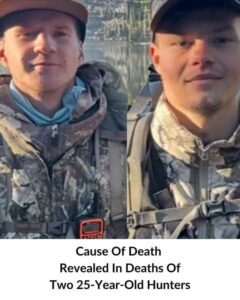
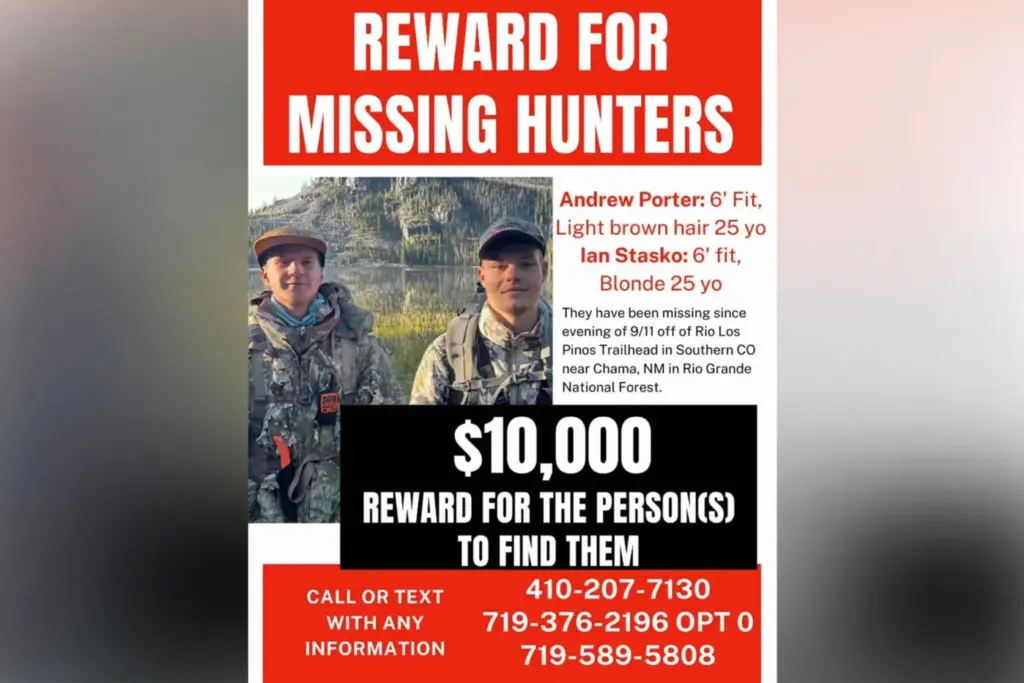
Among those drawn to this majestic landscape were two lifelong friends and experienced outdoorsmen, Andrew Porter and Ian Stasko, both 25 years old.
Known to their families and friends as careful, disciplined, and deeply in tune with nature, they had spent years exploring the mountains of Colorado, learning the intricacies of navigation, survival, and weather awareness.
In early September, as autumn began to paint the forest in hues of amber, gold, and crimson, Porter and Stasko set out on what they anticipated would be a routine hunting trip.
The air was crisp, the scent of pine and fallen leaves thick in the mountain air, and the sky held the pale blue of early fall mornings.
With backpacks meticulously packed with first aid kits, GPS devices, maps, food, and hunting gear, they felt prepared for the weekend’s excursions.
Their plan included scouting the Rio de Los Pinos Trailhead, setting up temporary hunting blinds, and tracking game along ridgelines and meadows — an activity they had practiced countless times in the region.
Friends who knew them described the trip as carefully coordinated, with both men reviewing weather forecasts, mapping out hiking and hunting routes, and ensuring that their communication devices were fully charged before departure.
Yet, even with their skill, the mountains have a way of reminding visitors that nature’s forces cannot be fully controlled. The week of Porter and Stasko’s trip coincided with unusually dynamic weather patterns.
While mornings often began calm and clear, afternoon storms could appear suddenly, driven by elevation-induced convection currents common in late September.
Gusty winds, rapid temperature drops, heavy rain, and the threat of lightning transformed the familiar forest into an environment of heightened risk.
Even seasoned hunters understood that mountainous weather could turn life-threatening within minutes, and that the combination of exposed ridges, conductive terrain, and sudden storms could create circumstances no preparation could entirely mitigate.
A Sudden Encounter with Nature’s Fury
Tragically, the unpredictability of weather proved fatal. Conejos County Coroner Richard Martin confirmed to PEOPLE on Monday, September 22, that preliminary findings indicate that both Porter and Stasko were struck by lightning.
He described their injuries as consistent with “a pretty intense electrical jolt,” noting that the men exhibited small burn marks, “like if you would take a match and strike it and then wait ’til it’s about out and then touch it to your arm, there was just a couple of little marks like that.”
While superficially minor in appearance, these marks were indicative of high-voltage trauma that would have caused immediate internal damage, including cardiac arrest, nervous system disruption, and internal tissue injury, any of which can be fatal even to strong, healthy individuals.
The full autopsy reports, expected to take approximately eight weeks, will provide further confirmation of the cause and manner of death.
Autopsies in such cases are critical because lightning fatalities, while visually striking, can sometimes be mistaken for other causes if internal trauma is not thoroughly examined.
The preliminary findings, however, underscore the power of nature and the dangers present in seemingly routine wilderness excursions.
The Harrowing Search and Recovery
Porter and Stasko were reported missing after failing to return from their trip. Concern quickly escalated among families and local authorities, who understood the potential risks of exposure, sudden storms, and wildlife encounters.
The Conejos County Sheriff’s Office, in coordination with search and rescue teams, launched an extensive operation that would test both human perseverance and technology in the dense, rugged terrain.
The search spanned multiple days, with teams navigating steep ridgelines, rocky canyons, thick pine forests, and hidden valleys where even small missteps could result in injury.
Aerial drones were deployed to provide bird’s-eye reconnaissance of the terrain, while ground teams carefully traced potential routes that the pair may have taken.
Volunteers from neighboring counties, experienced in backcountry search techniques, joined the effort, creating a network of coordinated searches across the most likely areas.
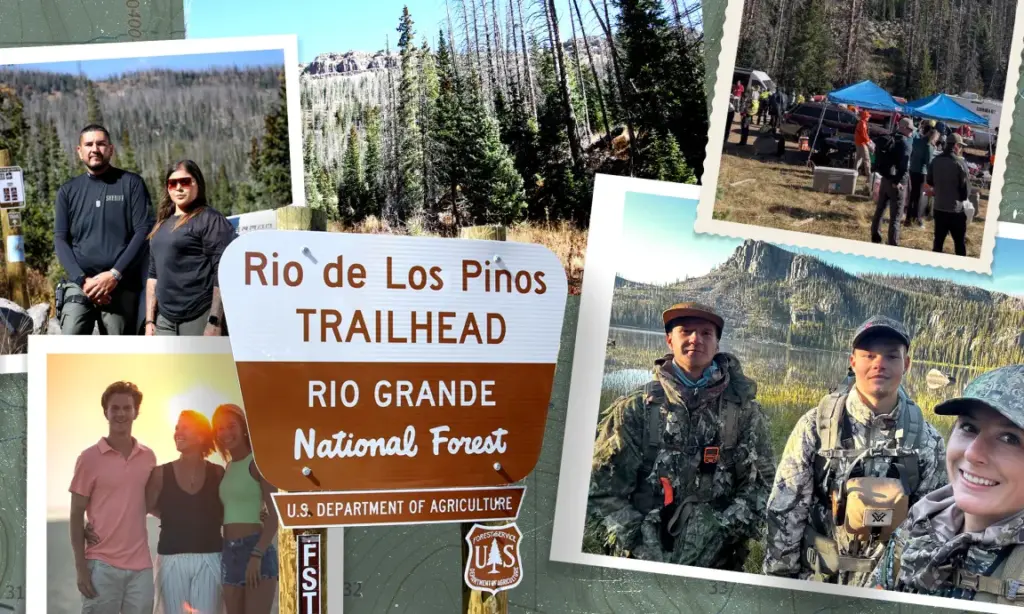
The Rio de Los Pinos Trailhead, a key access point to the deeper sections of the forest, became a primary focus due to its proximity to the reported hunting zones.
After nearly a week of meticulous searching, the bodies of Porter and Stasko were discovered on Thursday, September 18, around 11 a.m. Authorities reported that both men were found near each other, suggesting that they had remained together throughout the ordeal.
Their proximity during the incident not only reflects their camaraderie and reliance on each other but also illustrates the gravity of nature’s indiscriminate power — even the most cautious, skilled hunters can be overcome when circumstances turn dire.
Profiles of the Victims
Andrew Porter and Ian Stasko were widely recognized for their deep understanding of the outdoors. From a young age, they had immersed themselves in hunting, camping, and wilderness exploration, often sharing stories of wildlife encounters, breathtaking landscapes, and the tranquility of undisturbed natural spaces.
Friends and family recall them as disciplined, detail-oriented, and prepared for emergencies — traits that make this tragedy particularly poignant.
Both men carried essential survival gear, including compasses, GPS trackers, first aid supplies, and communication devices.
They understood the dangers of wildlife, steep terrain, and sudden weather changes, yet their experience could not protect them from the rare but deadly event of a direct lightning strike.
Their deaths underscore a sobering reality: even skill, preparation, and knowledge cannot fully negate the unpredictable power of nature in high-risk environments.
Lightning in the Mountains: Nature’s Hidden Threat
While lightning strikes in the wilderness are statistically rare, they are among the most lethal natural hazards. Mountainous regions are especially prone due to elevation, open ridgelines, and the rapid development of localized storms.
The combination of factors present during Porter and Stasko’s trip — elevated terrain, sudden storm formation, metallic hunting equipment, and wet surfaces — dramatically increased their vulnerability.

National Weather Service data highlights that the United States experiences around 25 million lightning strikes annually, with mountainous regions seeing increased frequency because high elevation naturally draws electrical discharges. Factors contributing to risk include:
High Elevation: Being closer to storm cloud bases increases exposure to lightning strikes.
Open Terrain: Ridges, meadows, and clearings act as natural lightning attractors.
Conductive Gear: Rifles, bows, metal frames on backpacks, and other equipment can inadvertently conduct electricity.
Moisture: Rain, dew, or damp foliage heightens conductivity and can increase injury severity.
Coroner Martin’s description of the injuries — small, localized burn marks — aligns with known physiological effects of lightning.
While minor on the surface, lightning strikes can cause catastrophic internal injuries, particularly to the heart, nervous system, and internal organs, often leaving no chance of survival even for healthy adults.
The deaths of Andrew Porter and Ian Stasko sent shockwaves not only through their families but across the wider community of hunters, hikers, and outdoor enthusiasts in southern Colorado and beyond.
Social media became a focal point for grief and remembrance. Friends, family members, and even strangers shared heartfelt tributes, recounting personal stories of the two men’s adventurous spirits, camaraderie, and deep connection to the natural world.
Posts often highlighted their meticulous preparation, resilience, and the trust they exhibited when venturing into remote, high-risk areas together.
Local organizations and hunting clubs also expressed their sorrow. Many emphasized the importance of awareness regarding the dangers of lightning and rapidly changing weather conditions in mountainous terrain.
Outdoor safety groups reminded the public that Porter and Stasko’s deaths were not due to negligence; on the contrary, these were highly experienced hunters who had followed best practices and maintained vigilance throughout their excursion.
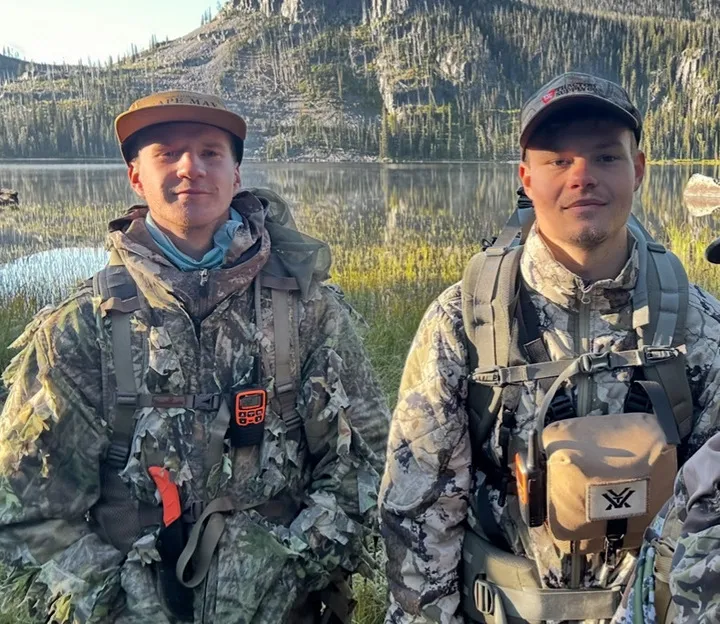
The incident thus became a somber teaching moment, illustrating that even the most skilled individuals are subject to nature’s unpredictable and uncontrollable forces.
Family Reflections and Grief
For the families of Porter and Stasko, grief was immediate and profound. Parents, siblings, and close relatives grappled with the suddenness of the loss, reflecting on the young men’s intelligence, care, and love for the outdoors.
Yet amid the sorrow, there was also gratitude. Family members expressed appreciation for the tireless work of search and rescue teams, volunteers, and law enforcement officers who combed treacherous terrain over several days to locate the missing hunters.
Interviews with relatives conveyed a mixture of heartbreak and pride. “They loved the mountains. They respected every aspect of being outdoors.
They were prepared, cautious, and responsible,” one relative stated. “Even in the face of tragedy, we are proud of their knowledge, courage, and the way they lived fully in the wilderness they adored.”
These reflections highlighted a critical point: Porter and Stasko’s deaths were not the result of recklessness but of encountering a rare and violent natural event.
Search and Rescue: A Test of Human Tenacity
The recovery of Porter and Stasko’s bodies underscored the complexity of search and rescue operations in mountainous regions. The Rio Grande National Forest is known for its challenging topography — steep ridgelines, dense pine forests, winding rivers, and narrow trails.
Search teams relied on a combination of aerial reconnaissance, drone technology, GPS mapping, and coordinated ground sweeps to cover areas that could easily conceal two missing individuals.
Volunteer teams from neighboring counties joined the effort, reflecting the collaborative spirit of outdoor communities. Some volunteers were experienced backcountry hikers familiar with the forest’s hidden trails and sudden weather shifts.
Together, professional searchers and volunteers formed a network of ground and aerial search units, communicating constantly to ensure no area was overlooked.
Despite the difficult terrain, the bodies were ultimately found near the Rio de Los Pinos Trailhead. Authorities reported that both men had remained close to one another, suggesting mutual reliance and solidarity during the final moments.
The discovery provided families with a measure of closure, while the detailed documentation of the scene allowed coroner Richard Martin to preliminarily confirm lightning as the cause of death.
Safety Lessons and Warnings for Outdoor Enthusiasts
While deeply tragic, the incident serves as a cautionary tale for anyone venturing into remote wilderness areas. Outdoor experts and safety authorities emphasize several preventative measures to reduce the risk of lightning-related injuries:
Monitor Weather Continuously: Sudden thunderstorms can develop rapidly, particularly in mountainous terrain. Even seemingly minor cloud formations or temperature changes should prompt caution.
Avoid High-Elevation Exposures: Ridges, peaks, and open meadows increase the likelihood of a lightning strike. During threatening weather, descend to lower elevations and seek shelter.
Seek Lightning-Safe Shelter: Vehicles with metal roofs, enclosed buildings, or densely wooded areas away from tall trees provide relative safety.
Limit Metal Exposure: Carrying rifles, bows, trekking poles, or backpacks with metal components can increase conductivity. Keep these items close to the body or seek shelter.
Evacuate When Necessary: If storm clouds appear while hunting or hiking, it is prudent to leave exposed areas immediately, even if it interrupts planned activities.
By highlighting these lessons, authorities and the families of Porter and Stasko hope to prevent similar tragedies. The incident demonstrates that experience, preparation, and training can mitigate risks but cannot eliminate the inherent dangers of wilderness settings.
Honoring Their Memory
The memory of Andrew Porter and Ian Stasko lives on in multiple ways. Local hunting clubs and outdoor organizations have held commemorative events, including trailside ceremonies and online remembrances.
These gatherings provide an opportunity to celebrate the young men’s lives rather than only mourn their deaths.
Attendees often share stories of their passion for the outdoors, knowledge of hunting and wilderness survival, and moments of humor and camaraderie that defined their friendship.
Friends frequently describe them as “heroes of the mountains,” not simply for their skill and respect for wilderness survival but for the mentorship and guidance they offered to others.
Young hunters, in particular, learned from Porter and Stasko about preparation, ethics in hunting, environmental stewardship, and the importance of teamwork and mutual support in potentially hazardous conditions.
The Dual Nature of the Mountains: Beauty and Danger
The Rio Grande National Forest remains a place of both adventure and reflection. Its expansive landscapes, cascading rivers, alpine meadows, and majestic ridgelines inspire awe, but they also demand respect and vigilance.
Porter and Stasko’s story serves as a reminder that natural beauty is inseparable from potential hazards, particularly in high-altitude regions where weather, terrain, and exposure converge unpredictably.
As autumn progresses, golden leaves carpet the trails, the chill of early morning air sharpens, and wildlife prepares for the coming winter.
For those who knew Porter and Stasko, every rustle of the forest, every ridgeline vista, carries both memory and reverence. Their favorite hunting spots, once sites of adventure and routine, have become living memorials — places where friends, family, and fellow hunters reflect on the duality of life and death, beauty and risk.
Community Lessons and Continuing Legacy
Porter and Stasko’s deaths have reinforced the importance of community in outdoor recreation. Search and rescue operations, local authorities, and volunteers demonstrated how collaboration, experience, and technology can save lives — or at least provide closure in the aftermath of tragedy.
Their story is now frequently cited in wilderness safety training, emphasizing that even expert preparation cannot fully negate nature’s hazards.
Beyond safety, their legacy includes an enduring lesson about respect for the natural world. They approached the mountains not as conquerors but as participants in an ecosystem, understanding that reverence, caution, and preparation were essential.
The outpouring of tributes and commemorations reflects how deeply their approach to outdoor life influenced peers and younger generations.
A Sobering Reflection
Lightning, though rare, is a potent reminder of nature’s uncontrollable force. It does not discriminate based on skill, experience, or preparation.
Andrew Porter and Ian Stasko’s story underscores a profound truth: human beings, no matter how adept, remain vulnerable to environmental forces beyond our control.
Yet even in tragedy, their story offers inspiration. The friendship, trust, and courage they displayed — remaining together, navigating challenges, and pursuing their passion for the outdoors — illustrate qualities worth celebrating.
Their lives, though brief, left a lasting impression on those around them and on the broader community of outdoor enthusiasts who now carry lessons learned from their experience.
Enduring Memory
For friends and family, the mountains are more than landscapes; they are living memorials. Every trail, ridge, and clearing that Andrew and Ian once navigated becomes a reminder of their lives, bravery, and love for nature.
Their story encourages future hunters and hikers to respect the unpredictable forces of the wilderness while cultivating preparation, vigilance, and care for one another.
Ultimately, the Rio Grande National Forest, with its breathtaking vistas and hidden dangers, continues to offer adventure, beauty, and reflection.
The memories of Andrew Porter and Ian Stasko — their courage, skill, camaraderie, and love for the outdoors — remain etched into the fabric of the community.
Their story is a testament not only to the majesty of the wilderness but also to the resilience, respect, and connection humans can find within it, even when confronted with life’s most unpredictable and devastating moments.