What started as an ordinary weekday morning quickly turned into a startling lesson in vigilance for one woman, highlighting how easily hidden threats can lurk in the most familiar environments.
Like so many people, she had begun her day with routine habits—rising early, pulling back the sheets, and preparing to make the bed.
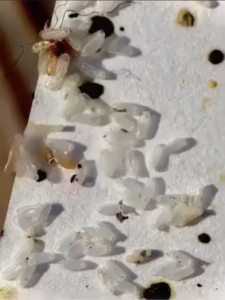
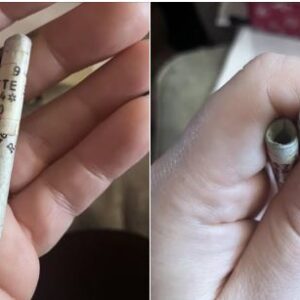
But the seemingly mundane act of straightening bedding revealed something unusual: small, white grains scattered across the surface of her mattress.
At first glance, the specks appeared innocuous. A rational explanation quickly came to mind: perhaps her husband had snacked in bed the night before, spilling a few grains of rice in the process.
The thought was mundane, almost humorous, and for a brief moment she smiled at the simplicity of the explanation. However, as she leaned closer, a subtle yet unmistakable detail froze her attention. One of the tiny grains seemed to move.
That instant—a flicker of motion no larger than the eye could perceive at first—instantly transformed her morning into a moment of unease.
Her stomach tightened, her heart rate quickened, and a creeping sense of dread settled over her. She froze, unsure whether to trust her own vision. But the movement was real.
What she had assumed to be a simple household remnant was something far more alarming: the early signs of a bedbug presence.
The Reality of Early Infestation
Bedbugs are not the pests that always announce themselves with obvious crawling insects or clusters of bites. In many cases, infestations begin quietly, with subtle indicators easily overlooked.
Bedbug eggs represent one of the earliest and most critical signs of a developing infestation. These eggs are laid by female bedbugs and are almost invisible to the casual observer.
Yet, they contain the potential for rapid population growth, as each female can lay hundreds of eggs during her lifetime.
Discovering bedbug eggs at such an early stage provides a unique advantage.
Acting quickly allows homeowners to contain and mitigate the threat before adult bedbugs multiply, spread to other areas of the home, or cause significant emotional and financial stress.
Identifying Bedbug Eggs
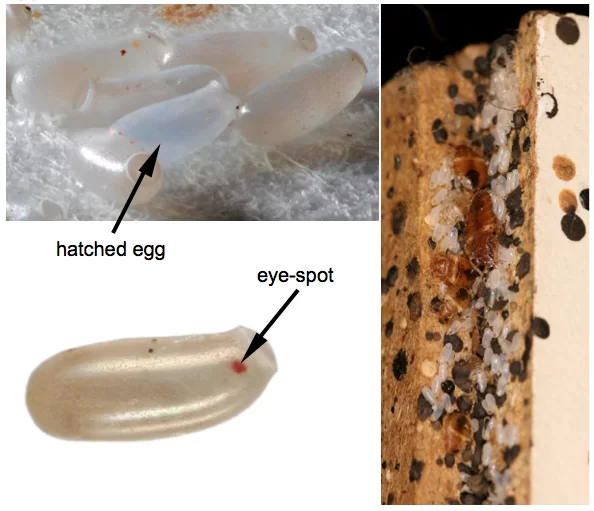
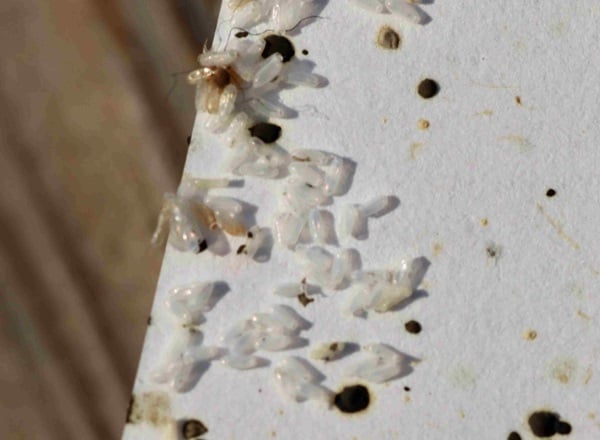
Correct identification is the first step in any effective response. Bedbug eggs are small, white, and deceptively easy to overlook.
Their size and appearance often lead to confusion with household debris such as grains of rice, dust particles, or even dandruff. Understanding their key characteristics is crucial:
Size: Roughly 1 millimeter in length, making them barely visible to the naked eye
Color: White or pearly white; some may appear slightly translucent
Shape: Oval with a smooth surface
Texture: Sticky upon laying, enabling them to adhere to surfaces such as mattress seams, furniture joints, or cracks
Because of these characteristics, bedbug eggs are often unnoticed until an infestation has already begun.
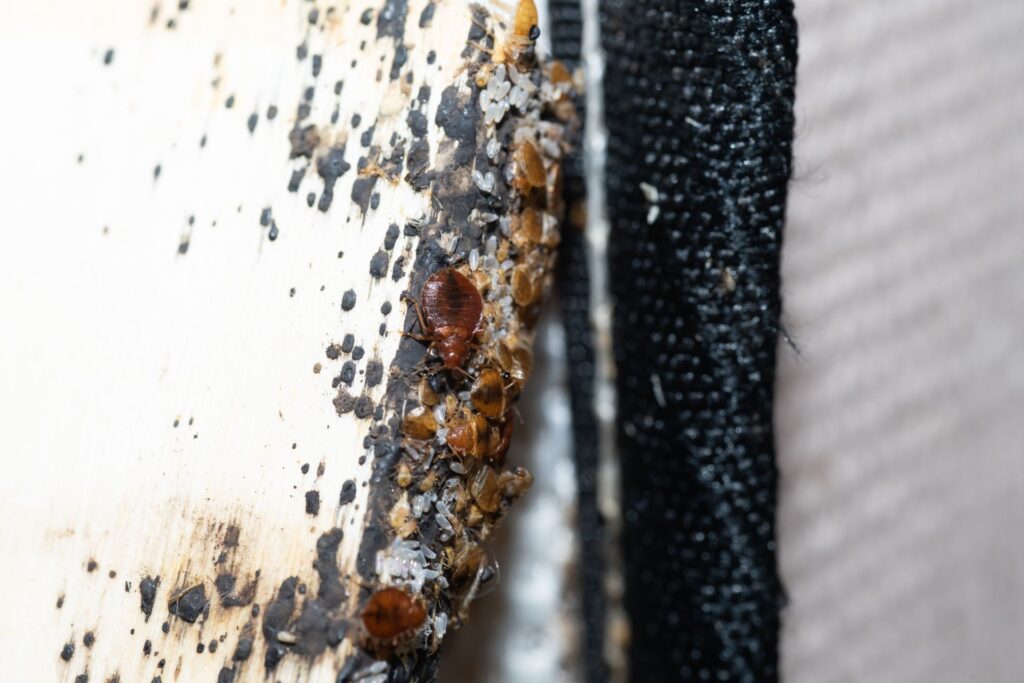
Their stickiness makes them difficult to remove without careful attention, and their placement is strategic, hidden in locations that are dark, warm, and close to human hosts.
Common Hiding Places
Unlike adult bedbugs, which tend to roam at night in search of blood meals, eggs remain stationary and hidden. Female bedbugs intentionally deposit eggs in locations that increase the likelihood of survival for their offspring. Key areas include:
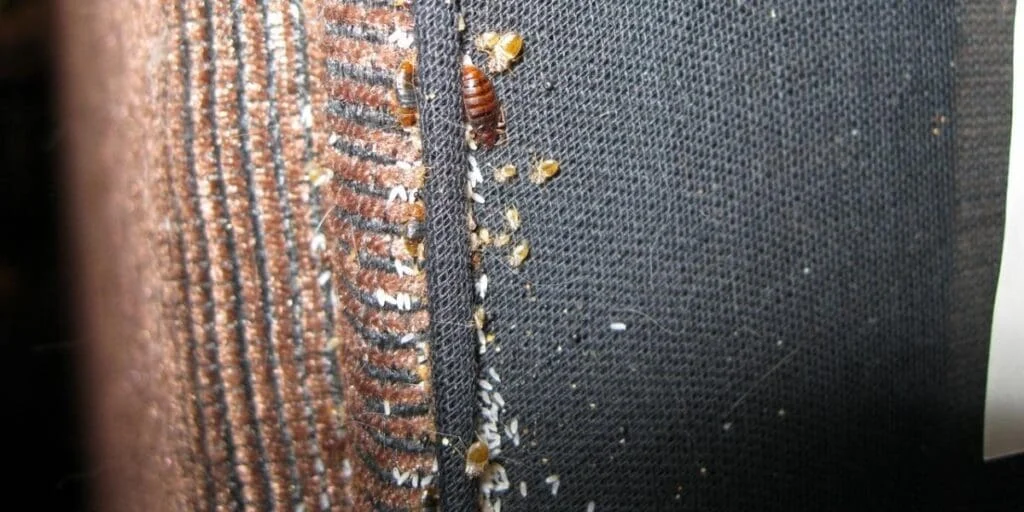
Mattress seams, piping, and folds
Cracks in bed frames and headboards
Behind baseboards, wall trim, and molding
Inside upholstered furniture and cushions
Between floorboards and in wall crevices
In folds of curtains, clothing, or stored fabrics
Inside luggage, bags, or storage boxes
In bedrooms, mattresses and bedding are most commonly affected because they provide immediate access to a food source.
However, if an infestation is left untreated, eggs and newly hatched nymphs can spread throughout the home, infesting furniture, clothing, and even adjoining apartments.
The Bedbug Life Cycle and Its Implications
Understanding the bedbug life cycle highlights the urgency of early detection:
Egg Stage: Eggs hatch within 6 to 10 days under normal indoor conditions
Nymph Stage: Newly hatched bedbugs, known as nymphs, are tiny, pale, and already blood-feeding
Adult Stage: After several molts, nymphs become mature adults capable of reproducing
A single female can lay hundreds of eggs over her lifetime, which means that even a few unnoticed eggs can escalate into a significant infestation within a matter of weeks.
Recognizing eggs before hatching is therefore essential to preventing exponential growth.
Physical and Emotional Consequences of Bedbugs
Though bedbugs are not known to transmit diseases, their impact on health and well-being can be profound:
Physical: Itchy red bites, allergic reactions in sensitive individuals, and secondary skin infections from scratching
Sleep Disruption: Frequent waking and insomnia due to discomfort or anxiety
Emotional: Stress, frustration, embarrassment, and feelings of helplessness
For many, the emotional toll of a bedbug infestation can rival the physical discomfort. The fear of bites, coupled with the challenge of eliminating the pests, can create prolonged stress and anxiety, disrupting daily routines and household harmony.
Bedbugs are exceptional at traveling unnoticed. Though they cannot jump or fly, they are expert hitchhikers. Common modes of transmission include:
Luggage and travel bags after hotel stays
Second-hand furniture, particularly mattresses and sofas
Used clothing
Shared laundry facilities
Movement between apartments through walls or ventilation systems
It is crucial to recognize that infestations are not related to personal hygiene. Even the cleanest homes are susceptible if exposed to infested items or environments.
The Critical Importance of Immediate Action
Early recognition of bedbug eggs is a decisive advantage in infestation management. Prompt intervention can:
Reduce treatment complexity and cost
Contain the infestation to a small area
Minimize the spread to other rooms or properties
Protect personal belongings, furniture, and household integrity
For the woman in this story, the discovery of eggs transformed what could have been a months-long battle into a manageable situation. Awareness alone, however, is not enough.
A structured, step-by-step approach is required to eradicate bedbugs effectively.

Step One: Containment and Isolation
Preventing further spread is the immediate priority. Experts emphasize isolation measures to limit the movement of eggs or insects:
Avoid transporting bedding, pillows, or clothing to other areas
Seal sheets, blankets, and clothing in airtight plastic bags
Reduce clutter to eliminate potential hiding spots
By limiting movement and controlling the environment, the risk of spreading the infestation beyond the initial discovery site is significantly reduced.
Step Two: Deep Cleaning and Heat Treatment
Bedbugs are highly sensitive to heat, making laundering a critical intervention:
Wash bedding, curtains, and clothing in water of at least 60°C (140°F)
Dry items on the highest heat setting for a minimum of 30 minutes
Immediately place cleaned items in fresh, sealed bags to prevent re-infestation
Heat treatment is one of the most reliable non-chemical methods, effectively killing all life stages when applied correctly.
Step Three: Vacuuming for Eggs and Nymphs
Vacuuming removes both eggs and mobile stages of bedbugs:
Focus on mattress seams, box springs, bed frames, and nearby furniture
Use a high-suction vacuum
Immediately seal or discard the vacuum bag after use
Clean the vacuum canister thoroughly
Though vacuuming alone cannot eliminate an infestation, it significantly reduces populations and supports further treatment efforts.
While containment, deep cleaning, and heat treatment are essential first steps, effective eradication often requires professional expertise.
Bedbugs are notorious for hiding in microscopic crevices, surviving without feeding for months, and quickly reproducing. Even the most diligent homeowner can miss eggs tucked away behind baseboards, inside furniture joints, or in electrical outlets.
Professional Pest Control: When Expertise Becomes Essential
Licensed pest control professionals possess the tools, knowledge, and experience necessary to eliminate infestations thoroughly. Their methods are carefully calibrated to target every life stage of the bedbug. Some of the key interventions include:
Targeted insecticide applications: Professionals use EPA-approved chemicals that reach cracks and crevices inaccessible to homeowners. Treatments are carefully applied to minimize exposure while maximizing effectiveness.
Heat treatment for entire rooms or homes: Specialized equipment heats infested spaces to temperatures lethal to bedbugs and their eggs, often reaching 50°C (122°F) or higher. Heat penetrates every corner, including furniture, mattresses, and flooring.
Follow-up inspections: Pest control experts return to inspect previously treated areas, ensuring no survivors remain and adjusting strategies if necessary.
Monitoring devices: Sticky traps and interceptor devices can track bedbug activity, helping to detect early signs of resurgence.
Professional intervention is particularly important for larger infestations, multi-unit buildings, or situations where early detection was delayed. Attempting to tackle a widespread problem with home methods alone can result in repeated reinfestation, wasted time, and increased costs.
Common Mistakes That Worsen Infestations
Many homeowners unintentionally make infestations worse due to panic or lack of information. Common errors include:
Discarding furniture improperly: Throwing away infested items without sealing them can spread eggs or bedbugs to neighbors or public spaces.
Excessive or improper pesticide use: Overuse of chemicals can be harmful to humans and pets and may not reach hidden eggs.
Ignoring early signs: Small stains, shed skins, or minor bites are often overlooked until the infestation grows.
Moving infested items through shared areas: Transporting infested belongings in apartment buildings or dorms can spread bedbugs quickly.
Avoiding these mistakes requires calm, methodical action guided by expert advice and evidence-based strategies.
Preventing Future Infestations
Once the immediate threat is addressed, prevention becomes an ongoing priority. Bedbugs are increasingly common worldwide, meaning that even clean, organized homes are at risk.
Effective preventive measures include:
Travel Precautions
Travel is one of the most frequent ways bedbugs enter homes. Simple precautions can minimize risk:
Inspect hotel mattresses, headboards, and furniture upon arrival.
Keep luggage off beds and floors, using luggage racks when possible.
Wash and dry travel clothes at high temperatures immediately upon returning home.
Inspect personal items before placing them in closets or drawers.
By being vigilant during travel, homeowners can prevent infestations before they begin.
Caution With Second-Hand Items
Used furniture and clothing often harbor hidden bedbugs. Prevention strategies include:
Carefully inspect seams, folds, and joints in furniture or clothing.
Avoid purchasing mattresses or upholstered furniture from unknown sources.
Consider applying preventive heat treatment to items before bringing them indoors.
These measures reduce the risk of introducing bedbugs into a home environment.
Ongoing Awareness at Home
Maintaining vigilance at home is essential for long-term prevention:
Regularly check mattress seams and upholstered furniture for eggs, skins, or insects.
Use protective mattress encasements to create a physical barrier against bedbugs.
Reduce clutter, which can provide hidden spaces for bedbugs to thrive.
Address any signs immediately—delaying action increases the risk of escalation.
Routine inspection and awareness are far more effective than reactive measures after an infestation has spread.
The Emotional Relief of Early Action
For the woman who discovered bedbug eggs in her home, early action provided significant emotional relief.
What could have become a months-long ordeal of stress, anxiety, and sleepless nights was contained quickly, thanks to prompt recognition and structured intervention.
Many homeowners report that merely acknowledging the problem and following a clear action plan reduces feelings of helplessness and panic.
Taking control transforms the situation from an overwhelming crisis into a manageable task, empowering individuals to protect their home, health, and peace of mind.
Lessons Learned
This experience highlights several critical insights for homeowners everywhere:
Early detection is key: Spotting eggs before hatching provides the best chance of containment.
Knowledge is power: Understanding bedbug biology, hiding patterns, and life cycles guides effective intervention.
Methodical action prevents mistakes: Following step-by-step containment, cleaning, and professional treatment strategies avoids spreading the infestation.
Prevention matters: Vigilance during travel, inspection of second-hand items, and regular home awareness prevent recurrence.
Infestations are not a reflection of cleanliness: Bedbugs affect homes indiscriminately, making early recognition and strategic action far more important than assumptions about hygiene.
A Broader Perspective on Bedbug Management
The story of a single morning discovery serves as a reminder that household pests like bedbugs are persistent and adaptable.
They exploit tiny oversights, reproduce rapidly, and cause both physical discomfort and psychological stress. Yet, with proper awareness, preparation, and response, infestations are entirely manageable—even preventable.
Educating oneself about bedbug identification, life cycle, spread, and treatment options creates a foundation for proactive management. Homeowners empowered with knowledge can act decisively, preserving their comfort and security.
Conclusion: Small Signs Can Prevent Major Problems
The tiny white grains that appeared on her sheets were more than a minor inconvenience—they were a critical warning.
By recognizing them as bedbug eggs and responding appropriately, the woman avoided what could have become a severe and costly infestation.
Her experience underscores an essential principle: sometimes, the smallest, most overlooked details can protect your home, health, and well-being.
Vigilance, awareness, and timely action transform a potentially devastating household crisis into a story of informed triumph.
In a world where hidden threats often go unnoticed, paying attention to the subtle signs—and acting promptly—can make all the difference.
Early intervention is not just a practical necessity; it is a way to maintain control, protect loved ones, and preserve peace of mind in the face of a challenging pest problem.