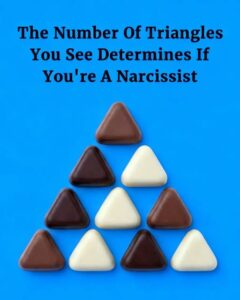
At first glance, the image looks playful and simple: a neat arrangement of triangle-shaped pieces stacked into a larger triangular form. Some people immediately start counting the visible shapes, while others pause, scan the image more carefully, and notice how smaller triangles combine into larger ones. What makes this image so engaging is not the final number someone arrives at, but the moment of reflection it creates. It gently reveals how differently people observe the same thing, depending on focus, patience, and perspective. Rather than defining who we are, it highlights how our minds naturally choose what to notice first.
Visual puzzles like this have long been used as tools to explore perception, not personality. The way someone approaches the image often mirrors how they approach everyday situations. Some focus on the most obvious details and move on quickly, while others enjoy lingering, rechecking, and exploring hidden patterns. Neither approach is better or worse; they simply reflect different ways of processing information. In daily life, these differences show up in conversations, problem-solving, and even creativity. The image becomes a reminder that people don’t all see the same layers at the same time—and that’s perfectly normal.
What makes the image meaningful is its quiet invitation to slow down. In a world filled with fast scrolling and instant judgments, something as simple as counting shapes encourages a moment of calm attention. As the eyes move across the triangles, the mind shifts from speed to awareness. Viewers may realize that initial impressions are rarely complete and that understanding often deepens when we give ourselves permission to look again. This lesson extends far beyond puzzles; it applies to relationships, challenges, and moments where patience reveals what haste misses.
Ultimately, the image is less about triangles and more about mindfulness. It gently reminds us that perception is flexible and that meaning is often layered. Instead of using visuals like this to label or define ourselves, we can use them as opportunities to reflect on how we observe the world. Whether someone counts a few shapes or many, the true value lies in the pause, the curiosity, and the willingness to see beyond the obvious. Sometimes, the most important insight isn’t the answer we reach, but the awareness we gain while looking.