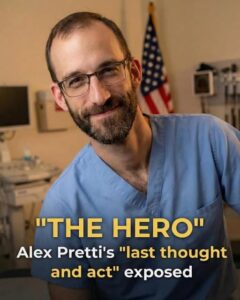
The winter streets of Minneapolis were already tense when news broke that Alex Jeffrey Pretti—a 37-year-old ICU nurse known for caring for veterans—had been fatally shot during a federal immigration enforcement operation in late January 2026. What began as a targeted action by federal agents quickly became a flashpoint for grief, outrage, and unanswered questions. Pretti, a U.S. citizen and registered nurse at the Minneapolis Veterans Affairs hospital, was remembered by coworkers as calm, dedicated, and deeply committed to helping others. In the days that followed, memorials appeared across the city as residents gathered to mourn a life that ended far too suddenly.
Political leaders across Minnesota and beyond responded swiftly, with many calling for transparency and a clear investigation into what happened. Minnesota Governor Tim Walz stated that the state would take the lead in reviewing the incident rather than leaving the matter solely to federal authorities, emphasizing the need for accountability and public trust. Minneapolis Mayor Jacob Frey also raised concerns about federal enforcement actions taking place in the city, urging cooperation between agencies while stressing the importance of public safety. At the national level, President Donald Trump defended the federal officers involved, arguing that agents were performing their duties under difficult and fast-moving circumstances—highlighting the broader political divide surrounding immigration enforcement.
Pretti’s family described him as compassionate, principled, and driven by service, pointing to his career in intensive care and his commitment to helping veterans through some of their hardest moments. His parents publicly challenged early claims that suggested he posed a threat, saying he appeared to be holding a phone and trying to protect someone else in the situation. Federal authorities later stated that Pretti legally owned a firearm and that officers believed he was armed at the scene, though publicly available bystander video has not clearly shown a weapon. Investigators have said they are reviewing footage, witness accounts, and evidence to establish a reliable timeline of events.
Friends and colleagues have continued sharing memories of Pretti as a thoughtful professional who cared about social issues, the environment, and community wellbeing. Records indicate he held an active nursing license and had no criminal history beyond minor traffic violations, and those close to him say he supported civic engagement through peaceful demonstrations. As state and federal reviews move forward, officials have urged the public to avoid speculation until the investigation is complete. For Minneapolis, however, the heartbreak is already real—mourning a healthcare worker whose life ended during a moment now shaping national conversation about enforcement practices, oversight, and civilian safety.