Gloria was a social worker with more than twenty years of experience, and during those two decades she had encountered nearly every version of family dysfunction imaginable.
She had worked with neglected children, abused teenagers, parents who hid behind excuses, and siblings who manipulated the truth to protect themselves. She had learned that the most dangerous harm was not always physical.
It was often emotional, silent, and wrapped in denial. By the time she came across me that night, Gloria already understood what she was seeing. Not just a child left in a storm, but a pattern of betrayal that followed familiar lines.
The storm had been relentless. Rain lashed against the ground with icy force, and the wind cut through everything it touched. The temperature had dropped sharply, and the darkness made the night feel endless.
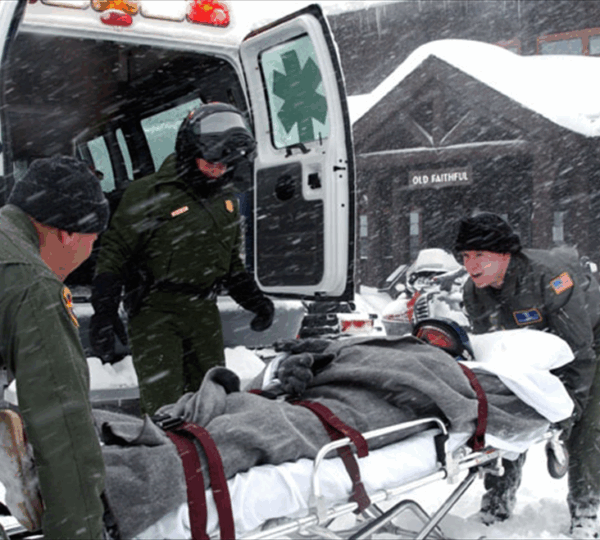
I lay sprawled on the gravel at the edge of the road, soaked to the bone, my body shaking uncontrollably. My clothes were heavy with rain, my limbs numb, my breath shallow.
Hypothermia had begun to take hold, though I was barely aware of it anymore. Pain and fear had blurred into exhaustion, and eventually, my body simply gave up.
When Gloria saw me, she stopped immediately. Years of training and instinct took over without hesitation. She noticed the unnatural stillness of my body, the pale skin, the violent shivering that signaled danger.
She knelt beside me, calling out gently, checking for signs of consciousness. I didn’t respond. The rain soaked her coat as she worked, but she didn’t seem to notice.
Gloria knew the symptoms of hypothermia well. She had attended countless emergency response trainings, but more than that, she had seen what exposure could do to a child left without protection.
She rushed to her car and retrieved a thick woolen blanket—one she always kept in her trunk, just in case. Over the years, she had learned that emergencies rarely announced themselves.
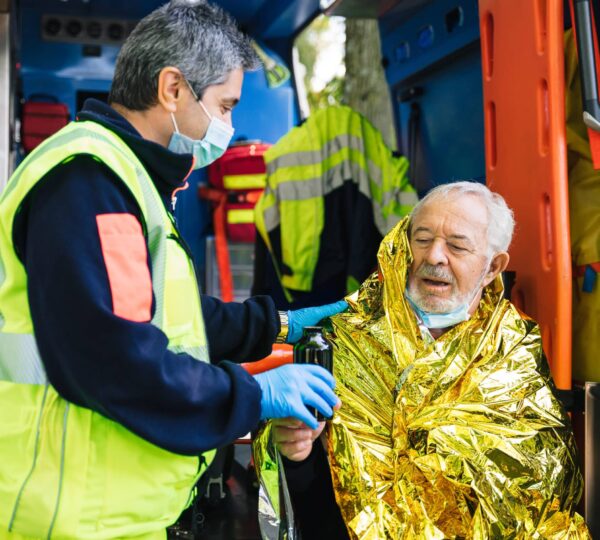
She wrapped the blanket around me carefully, shielding my head and torso, trying to preserve what little body heat I had left.
As she waited for the ambulance she had already called, Gloria stayed with me, speaking softly even though I was unconscious. She believed that hearing was often the last sense to fade, and she spoke with the calm reassurance she had perfected over decades.
She told me help was coming. She told me I wasn’t alone. She told me to hold on. Her voice cut through the storm like an anchor, steady and unwavering.
While she waited, Gloria made another call—this time to the police. Her voice was firm, professional, and precise as she explained what she had found. A child alone in severe weather.
Signs of exposure. No nearby guardians. The officer on the line listened carefully, his tone growing increasingly serious as Gloria described the circumstances.
This was not a simple case of a child wandering off or getting lost. Experience told them both that something deeper was wrong.
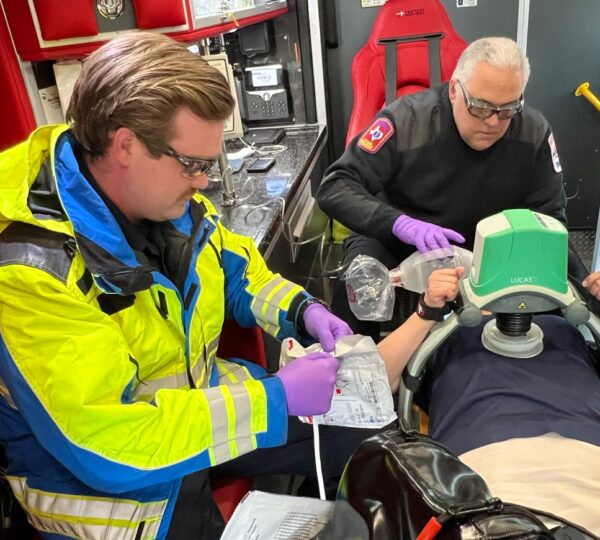
When the paramedics arrived, they moved quickly. Gloria stepped back but remained close, answering questions, offering details, and watching as they worked to stabilize me.
Oxygen. Warming measures. A stretcher. As they loaded me into the ambulance, she followed in her car, refusing to leave until she knew I would survive.
At the hospital, doctors and nurses took over. I was rushed into emergency care, where they worked to raise my body temperature and monitor my vitals.
The machines beeped steadily, filling the room with mechanical reassurance. Heated blankets were placed around me, IV fluids administered, and careful checks performed to ensure no permanent damage had been done.

When I finally woke up, the world felt distant and heavy. My eyelids fluttered open to harsh white light and unfamiliar sounds. The smell of antiseptic filled my lungs, sharp and sterile.
My body felt weak, as though it weighed twice as much as it should. Every movement required effort. But beneath the exhaustion and lingering cold, there was something else—something unfamiliar yet deeply comforting.
Safety.
It was a feeling I hadn’t realized was missing until it returned. For the first time in a long while, I wasn’t afraid of what would happen next. I wasn’t bracing myself for blame or punishment. I was simply there, alive, wrapped in warmth.
Not long after, my father arrived at the hospital. But he did not walk into the room alone. Waiting for him were Officer Daniels and Gloria, standing together like a barrier he could not cross without explanation.
Their expressions were serious, composed, and unyielding. This was not a conversation he could control.
My father had always been a man who believed he had the final word. He trusted his version of events, especially when they came from Karen—my sister, the favored child.
For years, her lies had been accepted without question, while my voice had been dismissed or ignored. But now, faced with professionals trained to recognize patterns of abuse and neglect, his confidence faltered.
Officer Daniels asked direct questions. Gloria provided context. Timelines were examined. Contradictions emerged. The story my father had believed began to unravel piece by piece. Each inconsistency made the truth harder to deny.
Karen was there too, but she said very little. For the first time, her confidence seemed shaken. Fear flickered across her face as she realized her words no longer held unquestioned power. The narrative she had built so carefully was collapsing under scrutiny.
Gloria eventually came to my bedside. Her expression softened, the professional exterior giving way to quiet compassion. She looked at me and spoke gently, as if every word mattered.
“You’re safe now,” she said.
I wanted to believe her. Part of me did. The hope that sparked inside me was small and fragile, but it was real. And for the first time, I allowed myself to imagine a future that didn’t look like my past.
What followed was overwhelming. Social services became involved. Investigations were launched. Interviews were conducted. Long-hidden truths were brought into the open. The life I had known—structured by fear, silence, and imbalance—began to change.
Through it all, Gloria remained constant. She advocated for me with quiet determination, ensuring my voice was heard and my safety prioritized.
She made it clear that I would not be sent back into an environment where lies were valued over truth and convenience over care.
For a time, I stayed with Gloria. Her home was nothing extravagant, but it was warm in ways that had nothing to do with temperature. Laughter filled the rooms. Meals were shared without tension.
Conversations didn’t feel like traps. I learned what it meant to exist without constantly defending myself.
Gloria didn’t just offer shelter—she offered guidance. She helped me understand that what had happened to me was not my fault. She taught me how to recognize healthy boundaries and rebuild trust slowly.
She never rushed the process or demanded gratitude. She simply showed up, day after day, steady and reliable.
My father’s words, once meant to wound and control, had unintentionally pushed me toward a new beginning. The damage they caused was real, but they also exposed truths that could no longer be ignored. Accountability, long overdue, had finally arrived.
I sometimes wonder if my sister ever truly understood the consequences of her actions. If my father ever felt regret for choosing comfort over truth. Those questions may never have clear answers. But I no longer need them to move forward.
As I sat in Gloria’s living room on quiet evenings, the sound of rain against the windows no longer filled me with fear. Storms became just weather again—not symbols of abandonment. I learned to let go of what I could not change and focus on what I could build.
I was rebuilding my life one day at a time. Slowly. Carefully. Stronger than before. And for the first time, the path ahead felt like it belonged to me.