Underneath the bed, hidden in a corner that had long been neglected and dust-laden, was a wooden box that seemed to carry decades of secrets. Its surface was rough, scarred by the passage of time.
With faint scratches marking its journey through years of childhood play and quiet neglect. The hinges were slightly rusted, resisting my touch as if reluctant to reveal what they had guarded so fiercely.
My heart pounded furiously in my chest, each beat echoing against the silence of the room. The air smelled faintly of old wood, dust, and something more intangible — the faint trace of memory, of a presence once alive in that space.
As I pulled the box out, the sound of it scraping against the floorboards seemed unnaturally loud, and for a moment, I wondered if the house itself was holding its breath.
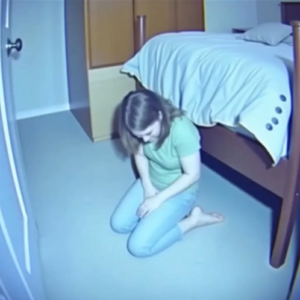
I knelt beside the bed, my hands trembling as I lifted the lid. What I found inside was nothing short of a revelation — a hidden world my daughter had carefully constructed, a secret life lived quietly alongside the life I had thought I knew.
The box was small, but its contents were abundant in emotion and meaning, each item carefully folded, preserved, and imbued with intention.
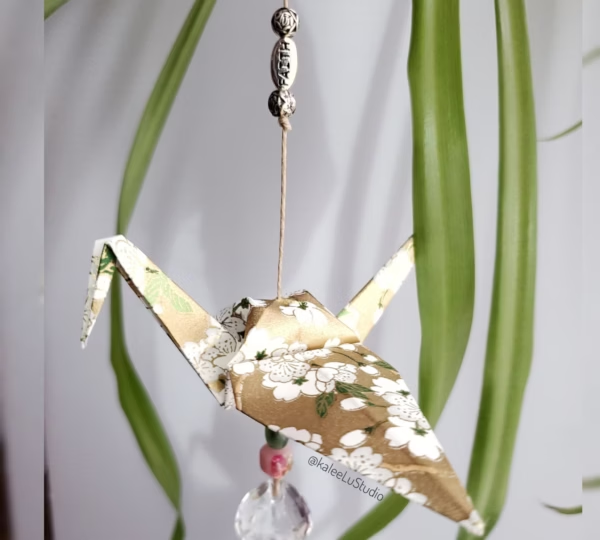
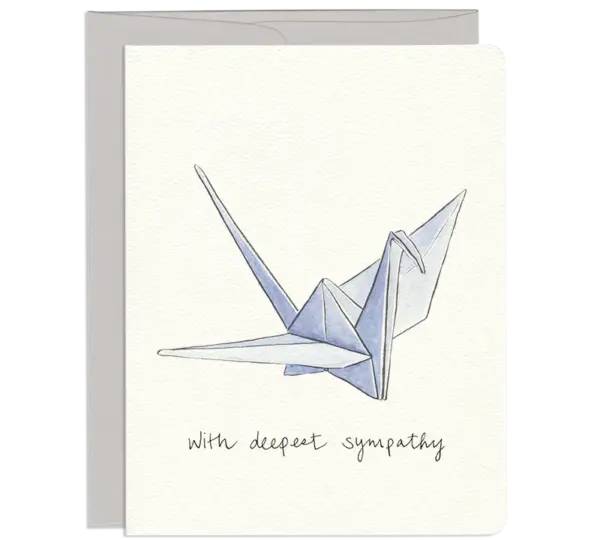
First, I noticed the paper cranes. Dozens of them, each folded with meticulous care, arranged as if they were waiting to tell a story in sequence.
The cranes were small, delicate, and varied in color — some pale pastels, others vibrant and bold — each one unique, as if their differences reflected the nuances of her personality and emotions.
Tiny handwritten notes were attached to their wings, ink that had not faded despite the years. I picked up the first crane, and immediately I felt as if I were holding a whisper from the past.
Her handwriting was unmistakable — small, precise, and almost hesitant, a mirror of her inner world.
The first note read: “I wish mom could see the world through my eyes, even just for a day.” I felt a pang in my chest, a mixture of sorrow and awe at the vulnerability she had allowed herself to express, hidden away in such a quiet, private way.
Another crane read: “Dad seems distant. I wish he knew how much I love him despite everything.” The words struck me with the weight of years of unspoken sentiment, and I realized that my daughter had been carrying her emotions silently, protecting us from the depth of her struggle, while leaving subtle breadcrumbs for us to find.
Beneath the carefully arranged cranes lay a worn-out diary, its leather cover frayed at the edges, pages yellowed with age and softened by handling.
Opening it, I was immediately struck by the intimacy of the sketches and doodles she had made. Some were playful: flowers, animals, and patterns that spoke of a curious, creative mind.
Others were haunting in their simplicity — a small figure standing alone in a crowded room, the lines of the drawing deliberately minimal yet conveying profound isolation.
There were sketches of our family, drawn with care, but with a question mark hovering over her own figure, as if she were asking herself, even in art, where she belonged and how she fit into the larger picture.
Each page was a journey into her inner life. I saw her dreams, hopes, and anxieties rendered in careful strokes of pencil and ink. There were lists of imagined worlds she wanted to explore, small stories she wrote about her ideal self, and little sketches of future adventures she might have had.
But woven between the playful and aspirational were the unmistakable threads of pain — the loneliness that had weighed on her even in a home filled with love.
One entry stopped me completely. It was the last entry she had written, just a few days before her passing. My hands shook as I read the words aloud to myself, feeling each syllable as if it were a tangible weight pressing on my chest:
“I hope mom and dad find these and understand. I felt alone, but I also felt loved, and that’s what kept me going. I just wish I could have told them.”
I could feel the magnitude of her emotions, a mix of acceptance and regret, and I was overcome by a grief that was both familiar and new — grief not only for her absence but for the silence that had persisted for too long.
She had carried her struggles privately, protecting us from pain she thought we might not understand, and yet, in the quiet of her own space, she had left a map for us to follow, a trail of small confessions and heartfelt truths.
For hours, I sat there, turning the pages of the diary, lifting each crane from its resting place, and allowing myself to absorb the entirety of her presence.
The patterns of colors, the careful folds, the tiny notes — all of them were a dialogue across time, a secret conversation I had never been aware we were having. I could hear her voice in the quiet, a whisper threaded with longing, fear, and love.

Eventually, my husband joined me. He had sensed, in a way I did not at the time, that something significant was happening. Standing behind me, he placed a hand on my shoulder, and together we began to sift through the contents of the box.
He picked up a crane and read its note aloud, his voice soft and trembling, and I saw his eyes well up with the same mix of pain, awe, and wonder that had been consuming me.
As we went through each item together, we began to piece together a portrait of her inner life. The cranes, the diary, the sketches — all of them told a story of resilience and complexity.
She had been aware of her isolation, yet she had also nurtured a profound sense of love and gratitude. She had wanted us to see her, even if she could not find the words to speak them aloud.
Her creativity, her intelligence, and her sensitivity were all preserved in that box, quietly waiting for the day we might understand them.
Some pages made us laugh through tears: small jokes she had written to herself, doodles of imaginary animals with funny names, lists of songs she loved, and little plans for adventures we had never shared.
Other pages broke our hearts: sketches of empty rooms, shadowed figures, and the unspoken anxieties of a child who had carried burdens far too heavy for her years.
Through it all, the box revealed a truth we had missed: that she had always been striving to connect, to be understood, and to love us despite the difficulties she had faced.
We realized that her secrecy was a form of care — a way to spare us from worry, a way to manage the enormity of her emotions alone.
The revelation was bittersweet: grief for the pain we could not undo, but gratitude for the opportunity to finally witness the depth of her inner life.
It was a testament to her thoughtfulness, and even in sorrow, it allowed us to feel a profound connection to her one final time.
As night fell and the room grew quiet except for our whispered voices and the occasional rustle of paper, we made a decision. We would not hide the contents of the box or place them away to forget. Instead, we would cherish them — preserving her story, her dreams, her struggles, and her love.
The cranes would not be discarded; the diary would not be shelved away. They would serve as reminders of her heart, her voice, and her presence that had touched our lives in ways we had not realized until now.
We spoke softly, almost reverently, as we shared her notes with one another. We laughed, we cried, and we marveled at her wisdom and creativity.
Each crane became a symbol, each diary entry a bridge across the silence that her absence had created. In those hours, I felt as though we had been given a second chance — a final gift from our daughter — a chance to truly know her heart, to learn from her thoughts, and to carry forward her memory with intention and love.
By the time we left the room, the wooden box remained open on the bed, a small sanctuary of her life. Its contents would remain with us, guiding us through grief and helping us celebrate her spirit in every decision we made thereafter.
We understood that her life, though tragically short, had been filled with complexity, imagination, and courage. And in the quiet reflection the box allowed, we found a way to honor her fully — not by erasing the pain, but by embracing the fullness of her experience, the unspoken messages she had left for us, and the enduring love that had always been at the center of it all.
In the weeks and months that followed, the box became a touchstone. We revisited it whenever the grief felt too heavy, taking comfort in the continuity of her words and the permanence of her presence in our memories. We shared its contents with family members, ensuring that her story would be known and understood.
It became a living memorial, one that allowed us to integrate her life into ours, to learn from her struggles, and to continue her legacy of thoughtfulness and emotional intelligence in our family.
In time, the initial ache of grief began to soften, replaced by a quieter, reflective sorrow — a sorrow intertwined with gratitude.
Gratitude that she had left us this glimpse into her inner world, gratitude that her voice, even in the form of folded paper and sketches, could still reach us, and gratitude that we were entrusted with her story to preserve and honor.
The wooden box, dusty and worn though it was, became the vessel of her memory, her thoughts, and her enduring love — a sacred reminder that even in absence, connection can persist, and that the heart, when listened to carefully, always has the capacity to teach, guide, and heal.