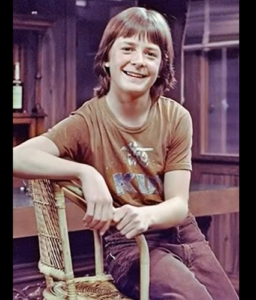
Michael J. Fox is one of the most recognizable faces in popular culture — an actor whose likable screen presence, quick wit, and undeniable charm made him a household name in the 1980s and beyond.
At a time when movies and television were shaping the dreams of millions, Fox’s performances struck a chord, captivating audiences around the world and establishing him as one of Hollywood’s most beloved talents.
Yet his life story is far more than a chronicle of early success. It’s also a story of resilience, advocacy, hope, and transformation in the face of a life‑altering challenge. Michael Andrew Fox was born on June 9, 1961, in Edmonton, Alberta, Canada.
He grew up with a love of performance and a sense of humor that would later define much of his screen work. As a teenager, he appeared in local television and theatre, building experience that carried him to the United States to pursue a professional acting career.

After moving to Los Angeles as a young man, he faced the typical struggles of an aspiring actor. In Hollywood, he learned quickly that success rarely comes easily.
Nonetheless, his persistence paid off when he landed the role of Alex P. Keaton on the popular NBC sitcom Family Ties, which debuted in 1982.
On Family Ties, Fox played the intelligent, fast‑talking, conservative‑leaning teenage son of liberal parents. His performance was both comedic and charismatic, earning him widespread praise and several awards, including multiple Emmy Awards and Golden Globes during the show’s run. The role also made him a star — not just in America, but internationally.
Breakthrough: Back to the Future and Film Success
While Fox’s television success with Family Ties firmly established him in the entertainment world, it was the 1985 blockbuster Back to the Future that turned him into a global movie star.
In the film, he portrayed Marty McFly, a teenager accidentally sent back in time in a DeLorean time machine. The role became iconic, capturing the imagination of audiences and launching a major franchise.
Fox’s work in Back to the Future required high energy, physicality, and a natural comedic timing — all of which he delivered with ease. He juggled filming for the movie with his television commitments, a feat that spoke to both his passion and work ethic.
Over the next several years, he starred in a string of successful films, including Teen Wolf, The Secret of My Success, Casualties of War, and the Back to the Future sequels.

By the age of 29, Fox had spent most of his adult life in front of the camera, winning over viewers with his mix of humor, vulnerability, and relatable charm.
A Devastating Diagnosis
In 1991, during filming on the set of Doc Hollywood, Fox began noticing a tremor in his pinky finger. What seemed at first like a minor concern was diagnosed by a neurologist as early‑onset Parkinson’s disease, a progressive neurological condition that affects movement and coordination.
He was just 29 years old — an age when most people are still building careers and planning for the future.
Parkinson’s disease is a degenerative disorder without a cure, and its symptoms — including tremors, stiffness, and difficulty with balance and speech — can worsen over time.
For someone whose life and career depended on precise movement, engaging performance, and public presence, this diagnosis was nothing short of life‑altering.
Initially, Fox kept the diagnosis private. He continued acting, including starring as Deputy Mayor Mike Flaherty on the ABC sitcom Spin City beginning in 1996, where he received further critical acclaim and awards.
Behind the scenes, however, he struggled with the reality of the disease, entering what he later would describe as several years of denial and internal conflict about his future.
Going Public and Becoming an Advocate
For years, Fox tried to manage his symptoms and maintain his career without revealing the truth about his health. Eventually, however, he realized that keeping the diagnosis secret was no longer tenable.
In 1998, during his run on Spin City, he publicly disclosed that he had Parkinson’s disease in an interview with People magazine and ABC’s Barbara Walters. This courageous decision helped break down stigma and opened up a national conversation about the disease.

The response he received — both from fans and from the broader entertainment community — was deeply supportive, emboldening Fox to shift his focus from hiding his symptoms to advocating for research and understanding. Rather than retreating from the world, he chose to use his platform to make a difference.
Two years after publicly revealing his diagnosis, in 2000, Fox founded The Michael J. Fox Foundation for Parkinson’s Research.
Today, the organization is one of the world’s leading non‑profit funders of Parkinson’s research, having raised billions of dollars and supported groundbreaking clinical studies, early‑stage therapeutic development, and the largest datasets of biosamples ever assembled for Parkinson’s research.
Fox’s foundation has also contributed to research that aims to detect the disease earlier and understand its progression more deeply — milestones that could one day lead to more effective treatments or prevention.
While a cure has not yet been found, the progress made in research has been substantial and remains a testament to sustained advocacy and investment.
Beyond Parkinson’s: Continued Career and Personal Life
Even as his symptoms gradually became more noticeable, Fox continued working in film and television. In addition to Spin City, he voiced lead characters in animated films such as Stuart Little and appeared in roles on series like Rescue Me, The Good Wife, Curb Your Enthusiasm, and The Good Fight.
His final major television project as a regular cast member was The Michael J. Fox Show from 2013 to 2014.

Over time, however, Parkinson’s symptoms made the physical demands of acting increasingly difficult. In 2020, he announced his retirement from full‑time acting due to the progression of his condition.
Though retired, Fox made a notable return to the screen, portraying a character with Parkinson’s disease in the Apple TV+ series Shrinking, demonstrating both empathy and courage in bringing an honest portrayal to audiences.
Fox’s personal life has been a grounding force through his journey. He married actress Tracy Pollan, his co‑star from Family Ties, in 1988, and they have four children together.
Fox has frequently spoken about the critical role his family has played in supporting him through the highs and lows of his health challenges and advocacy work.
Writing and Reflecting: Memoirs and Legacy
Michael J. Fox has authored several books that offer insight into his life, career, and evolving relationship with Parkinson’s disease. His first memoir, Lucky Man, chronicles his rise to fame and early years living with Parkinson’s.
The book combines candid reflections on vulnerability with his characteristic humor and philosophical insight, presenting both the high points of his success and the challenges of confronting a chronic illness.
He later published other works, including Always Looking Up and No Time Like the Future: An Optimist Considers Mortality, which explore deeper themes of resilience, mortality, and the meaning of purpose amidst adversity. These writings have resonated with readers worldwide, offering both perspective and inspiration.
In 2025, he announced a new memoir titled Future Boy, aiming to look back at his early career and the experiences that shaped him, including the joys and challenges of simultaneously filming Family Ties and Back to the Future.

Over the course of his career and advocacy, Fox has been recognized with numerous awards. As an actor, he won multiple Emmys, Golden Globes, Screen Actors Guild Awards, and even a Grammy for contributions to entertainment.
He was inducted into the Hollywood Walk of Fame and Canada’s Walk of Fame, and he was appointed an Officer of the Order of Canada for his contributions to film and television as well as his humanitarian work.
Perhaps most notably, in 2022, Fox received the Jean Hersholt Humanitarian Award from the Academy of Motion Picture Arts and Sciences — an honorary Oscar recognizing his advocacy and philanthropic contributions in the fight against Parkinson’s disease.
The Ongoing Journey: Challenges and Perspective
Living with Parkinson’s for more than three decades has not been easy. The disease is degenerative, affecting movement, balance, coordination, and even speech.
Fox has spoken openly about the daily challenges it presents — including the emotional and physical toll — yet he approaches it with unflinching honesty and a sense of optimism that has defined his public persona.
In recent interviews, Fox has discussed how he navigates daily life with Parkinson’s, including using a wheelchair and managing his symptoms with medication and therapy.
Despite these hurdles, he continues to find meaning in family, advocacy, and creative expression. His partnership with his wife, Tracy Pollan, and their children remains a central source of strength.
A Legacy of Hope and Inspiration
Michael J. Fox’s life story is a powerful reminder that talent and success are only part of a person’s narrative. His trajectory from teenage TV star to Hollywood legend and then to a tireless advocate for Parkinson’s research reflects not only his gifts as a performer but his deep humanity, resilience, and capacity for hope.
He has shown the world that adversity — even one as challenging as a chronic, progressive disease — can be met with courage, purpose, and an unshakeable commitment to making life better for others.
In doing so, Fox has inspired millions of people living with Parkinson’s and beyond, proving that while a diagnosis might change a life, it does not have to define it.