After Losing My Job, My Wife Walked Out on Me and Our Kids – Two Years Later, I Saw Her Crying in a Café

Two years ago, my wife, Anna, left me and our twins, Max and Lily, the day after I lost my job. I still remember the sight of her by the door, a single suitcase in her hand, her face devoid of emotion, her voice flat as steel:

“I can’t do this anymore.” The woman who had once been the glue holding our small family together was suddenly gone.

The silence she left behind was suffocating — a hollow echo in every room, pressing against the walls and lingering in the corners.

Overnight, I became a single dad, faced with two bewildered four-year-olds who didn’t understand why Mommy had vanished, and a mountain of bills that seemed impossible to climb.

The first year after her departure was pure survival. I worked tirelessly, taking on two jobs: delivering groceries during the day and driving for a rideshare company at night.

I slept only when my body forced me to, and even then, sleep was restless and filled with dreams of failure and loss. The twins cried for their mother every night.

I tried to comfort them, telling little white lies: “Mommy will come back soon,” even though I knew in my heart that the words weren’t true. My parents helped whenever they could, but even with their support, the loneliness was overwhelming.

There were nights when the house felt like an empty shell, our laughter gone, replaced by the ticking of the clock and the quiet hum of our refrigerator.

I learned to function on sheer willpower, carrying the weight of responsibility and heartbreak in equal measure. Somehow, through the haze of exhaustion and grief, we survived.

By the second year, life began to slowly settle. I found remote work as a coder, which allowed me to spend more time with the twins and finally start building some stability.

We moved into a smaller apartment, but it was ours, and we made it a home. Routines were established — bedtime stories, pancake breakfasts on Saturdays, and long walks in the park where the children could run and laugh without fear.

Their laughter returned in small bursts at first, then in full-force waves that made my heart ache with gratitude. I watched them grow stronger, more resilient, and it gave me a sense of purpose I hadn’t realized I’d been missing.

For the first time in months, I could breathe again without feeling a weight pressing down on my chest. We were finally okay. Or so I thought.

Then I saw her.

It was an ordinary afternoon, and I had decided to stop at a local café after putting the twins down for a quiet nap at home.

There, in a corner near the window, sat Anna. She looked nothing like the polished, confident woman I had once known.

Her hair was tangled and unkempt, her eyes red and puffy from crying, her hands trembling as she fumbled with her coffee cup. For a moment, I almost walked out, afraid that anger or old pain might rise uncontrollably.

But something — curiosity, or perhaps the desire for closure — stopped me. I approached her cautiously. She looked up, her eyes wide, and whispered, “I made a mistake.”

Her voice cracked as she explained herself. She had left, she said, chasing a life she thought would be better, only to find that she had lost everything she truly valued.

“I want to come back,” she said, tears spilling freely down her cheeks. I stared at her — the woman who had chosen herself over the family she once vowed to protect.

For a moment, old feelings flared up: anger, longing, disbelief. But then clarity washed over me.

“No,” I said firmly, though without malice. “We’ve built something without you. The kids need consistency, not regret.”

That night, after tucking Max and Lily into bed, I reflected on the past two years. I realized that love isn’t simply about who we start with — it’s about who stays.

Anna’s tears, as raw and painful as they were, could not undo the suffering she caused. But they did serve as a reminder of how far we had come, how much the twins and I had grown stronger in her absence.

Life had gone on without her, and we had thrived.

I have no doubt that one day she may try to reenter their lives, and perhaps in time, she could earn a place. But for now, my focus remains unwavering: providing Max and Lily with the stability, love, and peace that they deserve.

Every bedtime story, every scraped knee I bandage, every “I love you” whispered in the dark is a testament to the life we have rebuilt.

Anna’s absence taught me something profound — that parenting is not measured by presence alone, but by devotion, consistency, and the quiet, persistent acts of love that shape a child’s world.

As I watch the twins sleep peacefully, I understand that the greatest gift I can give them is security and a home filled with love — something their mother once left behind but which I have fought tirelessly to restore.

Her tears cannot rewrite the past, but they illuminate the journey we’ve endured and the strength we’ve discovered along the way.

And so we move forward. Without bitterness. Without regret. Just a father, his children, and the life they are building together — one that no absence can undo, one that is defined not by those who leave but by those who stay.
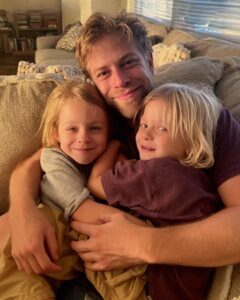
Two years ago, my wife, Anna, left me and our twins, Max and Lily, the day after I lost my job. I still remember the sight of her by the door, a single suitcase in her hand, her face devoid of emotion, her voice flat as steel:

“I can’t do this anymore.” The woman who had once been the glue holding our small family together was suddenly gone.

The silence she left behind was suffocating — a hollow echo in every room, pressing against the walls and lingering in the corners.

Overnight, I became a single dad, faced with two bewildered four-year-olds who didn’t understand why Mommy had vanished, and a mountain of bills that seemed impossible to climb.

The first year after her departure was pure survival. I worked tirelessly, taking on two jobs: delivering groceries during the day and driving for a rideshare company at night.

I slept only when my body forced me to, and even then, sleep was restless and filled with dreams of failure and loss. The twins cried for their mother every night.

I tried to comfort them, telling little white lies: “Mommy will come back soon,” even though I knew in my heart that the words weren’t true. My parents helped whenever they could, but even with their support, the loneliness was overwhelming.

There were nights when the house felt like an empty shell, our laughter gone, replaced by the ticking of the clock and the quiet hum of our refrigerator.

I learned to function on sheer willpower, carrying the weight of responsibility and heartbreak in equal measure. Somehow, through the haze of exhaustion and grief, we survived.

By the second year, life began to slowly settle. I found remote work as a coder, which allowed me to spend more time with the twins and finally start building some stability.

We moved into a smaller apartment, but it was ours, and we made it a home. Routines were established — bedtime stories, pancake breakfasts on Saturdays, and long walks in the park where the children could run and laugh without fear.

Their laughter returned in small bursts at first, then in full-force waves that made my heart ache with gratitude. I watched them grow stronger, more resilient, and it gave me a sense of purpose I hadn’t realized I’d been missing.

For the first time in months, I could breathe again without feeling a weight pressing down on my chest. We were finally okay. Or so I thought.

Then I saw her.

It was an ordinary afternoon, and I had decided to stop at a local café after putting the twins down for a quiet nap at home.

There, in a corner near the window, sat Anna. She looked nothing like the polished, confident woman I had once known.

Her hair was tangled and unkempt, her eyes red and puffy from crying, her hands trembling as she fumbled with her coffee cup. For a moment, I almost walked out, afraid that anger or old pain might rise uncontrollably.

But something — curiosity, or perhaps the desire for closure — stopped me. I approached her cautiously. She looked up, her eyes wide, and whispered, “I made a mistake.”

Her voice cracked as she explained herself. She had left, she said, chasing a life she thought would be better, only to find that she had lost everything she truly valued.

“I want to come back,” she said, tears spilling freely down her cheeks. I stared at her — the woman who had chosen herself over the family she once vowed to protect.

For a moment, old feelings flared up: anger, longing, disbelief. But then clarity washed over me.

“No,” I said firmly, though without malice. “We’ve built something without you. The kids need consistency, not regret.”

That night, after tucking Max and Lily into bed, I reflected on the past two years. I realized that love isn’t simply about who we start with — it’s about who stays.

Anna’s tears, as raw and painful as they were, could not undo the suffering she caused. But they did serve as a reminder of how far we had come, how much the twins and I had grown stronger in her absence.

Life had gone on without her, and we had thrived.

I have no doubt that one day she may try to reenter their lives, and perhaps in time, she could earn a place. But for now, my focus remains unwavering: providing Max and Lily with the stability, love, and peace that they deserve.

Every bedtime story, every scraped knee I bandage, every “I love you” whispered in the dark is a testament to the life we have rebuilt.

Anna’s absence taught me something profound — that parenting is not measured by presence alone, but by devotion, consistency, and the quiet, persistent acts of love that shape a child’s world.

As I watch the twins sleep peacefully, I understand that the greatest gift I can give them is security and a home filled with love — something their mother once left behind but which I have fought tirelessly to restore.

Her tears cannot rewrite the past, but they illuminate the journey we’ve endured and the strength we’ve discovered along the way.

And so we move forward. Without bitterness. Without regret. Just a father, his children, and the life they are building together — one that no absence can undo, one that is defined not by those who leave but by those who stay.

Related Posts

Clannad Icon Remembered: Influential Celtic Singer Passes Away at 73

Moya Brennan is widely regarded as one of the most influential voices in Irish traditional and contemporary music, known for her ethereal vocals and her contribution to…

The First Thing You Notice May Reveal Something About Your Personality

Optical illusions have long fascinated scientists, educators, and the general public because they reveal how the human brain interprets visual information in ways that are not always…

‘Dr. Pimple Popper’ Star Hospitalized After Experiencing Stroke During Filming

  Sandra Lee, widely known as the host of the television series Dr. Pimple Popper, has spoken publicly about a serious health emergency she experienced while filming one…

A Red Ring on Your Child’s Skin: What It Might Mean and When to Seek Advice

It’s often the smallest things that catch a parent’s attention. A slight cough. A change in mood. Or something as simple as a mark on the skin…

Why Adults Over 50 May Benefit from Eating One Banana Each Day

As people move through their 50s and into the decades that follow, many begin to notice gradual but meaningful changes in how their bodies respond to food,…

Why Public Bathroom Doors Don’t Reach the Floor: The Surprising Reason Behind the Design

If you’ve ever stepped into a public restroom, you’ve almost certainly noticed something a little strange: the stall doors don’t go all the way down to the…

Leave a Reply

Your email address will not be published. Required fields are marked *