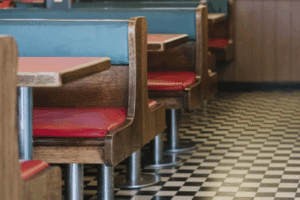
My name is Clara James, and I am thirty-two years old. I live in Ridgefield, Kentucky, and for years I was the quiet one at Billy’s Diner. I spent my days refilling coffee, clearing plates, and keeping my head down.
I never lingered for thanks. I knew every regular’s order and every small detail of my life:
the creaky wooden floorboards of my room above the garage, my one-eyed cat Smokey who followed me everywhere, the $64 I had in my bank account, and my grandfather Henry’s war medals, hidden carefully in a shoebox in the corner of my closet.
Grandpa Henry had taught me that honor is not a performance. It is quiet. It is the way you carry yourself when no one is watching, and no one will ever notice.
That Tuesday, the rain fell sideways. The streets of Ridgefield were flooded with water that ran in streaks along the cracked pavement. The diner’s bell coughed as the door opened, letting in the scent of wet coats and umbrellas.
Wayne Becker, the owner, was fussing over the cook, shouting about the wrong size of a skillet. The door opened again, and a man stepped inside. He was hunched, battered, and his eyes were full of quiet fear.
He asked for only a cup of hot water and a piece of bread. I could not ignore him.
I grabbed a returned plate of chicken and dumplings, added a heel of bread, and poured a cup of black coffee, strong and bitter. I placed it in front of him and said, “Coffee’s on me.”
Wayne saw it. His face went red. He snapped, “We don’t serve beggars!” and hurled the plate to the floor. Ceramic shattered. Gravy ran like a small river across the linoleum.
I was fired on the spot. I stepped out into the cold, rain-soaked morning, Smokey winding around my ankles, the dog tag Eli Turner had given me pressing against my pocket. It was a simple proof that someone existed, that someone mattered.

The next morning, a video went viral. People watched the clip of the diner, the thrown plate, and the small act of kindness, and they judged, mocked, and shamed.
I tried to find work. I failed. I could only return to helping Eli, the man I had given food to, who had been sleeping on a bus shelter bench. He accepted the half-sandwich I offered with a quiet nod, and I felt the smallest thread of hope stretch between us.
Then, the army came. Hundreds of soldiers lined Main Street in Ridgefield, silent, uniformed, and immovable. I had never imagined such a display of respect.
Colonel Matthew Turner, sharp and commanding in uniform, stepped forward. Eli Turner sat in an SUV nearby, safe because of the smallest act I had performed.
The dog tag in my pocket felt heavy, full of the quiet honor that Grandpa Henry had spoken of. Wayne stood behind the counter, speechless, as the truth of small kindnesses became undeniable.
“I’m the owner,” Wayne said, pasty and loud.
“Colonel,” the man corrected him, calm but firm. “You humiliated my father yesterday when he asked for hot water. You didn’t see him as a human being.”
The Colonel pulled a document from his pocket and held it in the light. “In 2007, near Baqubah, Iraq, my father carried me and twelve other soldiers under fire for hours.
He earned the Silver Star. After my mother died, he disappeared. Yesterday, someone treated him with dignity, and we found him alive.”
He opened a small, velvet box. Inside lay the Silver Star. “He pawned this medal years ago to feed another family. He wants you to have it.”
“No,” I said, shaking my head. “It belongs to him.”
“And it will,” the Colonel said. “What you gave him yesterday wasn’t a plate. It was the right to be seen. That is worth a medal.”
The moment went viral. Billy’s Diner, famous for nothing, closed within a week. But soon, a veteran nonprofit called me. “Want to help open a community kitchen?” they asked. I said yes.
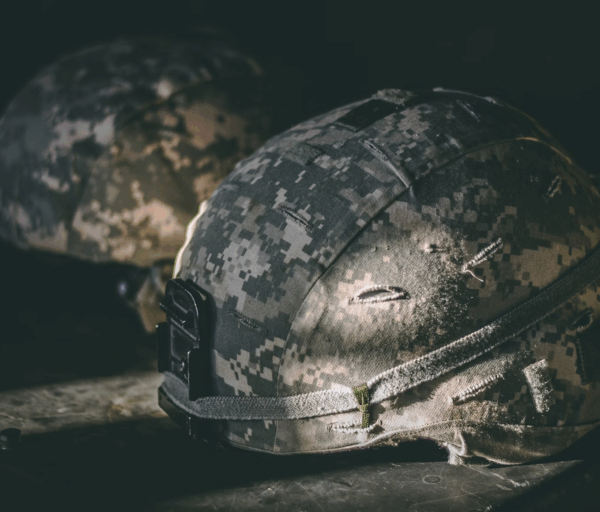
We opened Ridgefield Community Kitchen. Veterans, single mothers, teenagers, and neighbors all came together. They cooked and shared meals.
Eli found housing. His son, Colonel Turner when in uniform, Matt when in jeans, visited often. The Silver Star went on the wall, quietly honored, a reminder of bravery and sacrifice.
The town began to change in small but remarkable ways. A bar down the street allowed patrons to run tabs that would be paid in hours instead of money.
A local church turned its fellowship hall into a warm place for those in need. The library set up a corner where people could learn to hope again. Kids learned to give. People began to see one another.
I am not a hero. I put food on plates and names in my memory.
Courage does not always shout. Sometimes it is hundreds of small acts done quietly—giving a plate to a hungry person, teaching a teenager how to chop onions, listening to someone without judgment.
The Silver Star sits on a shelf in the kitchen, between a jar of sugar and a stack of napkins.
It reminds me that you do not have to be loud to be brave, you do not have to be rich to be generous, and sometimes, giving a plate is enough to bring an army to your side.
My name is Clara James, and I am thirty-two years old. I live in Ridgefield, Kentucky, and for years I was the quiet one at Billy’s Diner. I spent my days refilling coffee, clearing plates, and keeping my head down.
I never lingered for thanks. I knew every regular’s order and every small detail of my life:
the creaky wooden floorboards of my room above the garage, my one-eyed cat Smokey who followed me everywhere, the $64 I had in my bank account, and my grandfather Henry’s war medals, hidden carefully in a shoebox in the corner of my closet.
Grandpa Henry had taught me that honor is not a performance. It is quiet. It is the way you carry yourself when no one is watching, and no one will ever notice.
That Tuesday, the rain fell sideways. The streets of Ridgefield were flooded with water that ran in streaks along the cracked pavement. The diner’s bell coughed as the door opened, letting in the scent of wet coats and umbrellas.
Wayne Becker, the owner, was fussing over the cook, shouting about the wrong size of a skillet. The door opened again, and a man stepped inside. He was hunched, battered, and his eyes were full of quiet fear.
He asked for only a cup of hot water and a piece of bread. I could not ignore him.
I grabbed a returned plate of chicken and dumplings, added a heel of bread, and poured a cup of black coffee, strong and bitter. I placed it in front of him and said, “Coffee’s on me.”
Wayne saw it. His face went red. He snapped, “We don’t serve beggars!” and hurled the plate to the floor. Ceramic shattered. Gravy ran like a small river across the linoleum.
I was fired on the spot. I stepped out into the cold, rain-soaked morning, Smokey winding around my ankles, the dog tag Eli Turner had given me pressing against my pocket. It was a simple proof that someone existed, that someone mattered.
The next morning, a video went viral. People watched the clip of the diner, the thrown plate, and the small act of kindness, and they judged, mocked, and shamed.
I tried to find work. I failed. I could only return to helping Eli, the man I had given food to, who had been sleeping on a bus shelter bench. He accepted the half-sandwich I offered with a quiet nod, and I felt the smallest thread of hope stretch between us.
Then, the army came. Hundreds of soldiers lined Main Street in Ridgefield, silent, uniformed, and immovable. I had never imagined such a display of respect.
Colonel Matthew Turner, sharp and commanding in uniform, stepped forward. Eli Turner sat in an SUV nearby, safe because of the smallest act I had performed.
The dog tag in my pocket felt heavy, full of the quiet honor that Grandpa Henry had spoken of. Wayne stood behind the counter, speechless, as the truth of small kindnesses became undeniable.
“I’m the owner,” Wayne said, pasty and loud.
“Colonel,” the man corrected him, calm but firm. “You humiliated my father yesterday when he asked for hot water. You didn’t see him as a human being.”
The Colonel pulled a document from his pocket and held it in the light. “In 2007, near Baqubah, Iraq, my father carried me and twelve other soldiers under fire for hours.
He earned the Silver Star. After my mother died, he disappeared. Yesterday, someone treated him with dignity, and we found him alive.”
He opened a small, velvet box. Inside lay the Silver Star. “He pawned this medal years ago to feed another family. He wants you to have it.”
“No,” I said, shaking my head. “It belongs to him.”
“And it will,” the Colonel said. “What you gave him yesterday wasn’t a plate. It was the right to be seen. That is worth a medal.”
The moment went viral. Billy’s Diner, famous for nothing, closed within a week. But soon, a veteran nonprofit called me. “Want to help open a community kitchen?” they asked. I said yes.
We opened Ridgefield Community Kitchen. Veterans, single mothers, teenagers, and neighbors all came together. They cooked and shared meals.
Eli found housing. His son, Colonel Turner when in uniform, Matt when in jeans, visited often. The Silver Star went on the wall, quietly honored, a reminder of bravery and sacrifice.
The town began to change in small but remarkable ways. A bar down the street allowed patrons to run tabs that would be paid in hours instead of money.
A local church turned its fellowship hall into a warm place for those in need. The library set up a corner where people could learn to hope again. Kids learned to give. People began to see one another.
I am not a hero. I put food on plates and names in my memory.
Courage does not always shout. Sometimes it is hundreds of small acts done quietly—giving a plate to a hungry person, teaching a teenager how to chop onions, listening to someone without judgment.
The Silver Star sits on a shelf in the kitchen, between a jar of sugar and a stack of napkins.
It reminds me that you do not have to be loud to be brave, you do not have to be rich to be generous, and sometimes, giving a plate is enough to bring an army to your side.