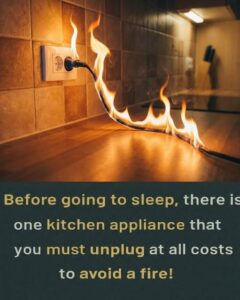
Many households are aware that unplugging appliances is a good habit, yet few realize how much impact this simple action can have over time. Even when devices appear to be turned off, many continue drawing small amounts of electricity. This is often referred to as standby or phantom power. Items such as televisions, phone chargers, computers, and microwaves may quietly consume energy around the clock if they remain plugged in. While the amount used by a single device is small, the combined effect across multiple appliances can lead to noticeable increases in monthly electricity bills. Making a habit of unplugging unused electronics is an easy and cost-effective way to reduce unnecessary energy consumption.
Beyond saving energy, unplugging appliances also plays a role in maintaining a safer home environment. Certain household devices can present risks if they remain connected to power when not in use. Heating tools such as hair dryers, curling irons, or space heaters can reach high temperatures and may become hazardous if they are accidentally left on or experience a malfunction. Even small kitchen appliances can pose concerns if internal components wear out over time. By disconnecting these items from power after use, homeowners add an extra layer of protection and reduce the chance of unexpected electrical issues.
Large household appliances and everyday electronics deserve attention as well. Kitchen devices such as toasters and toaster ovens can collect crumbs that may overheat in older or poorly maintained units. Laundry appliances, including washing machines and dryers, can continue drawing standby power even when idle. Entertainment systems, gaming consoles, and coffee makers are also common sources of ongoing electricity use. While it may not be practical to unplug everything in the home, focusing on high-use or frequently idle devices can make a meaningful difference. Taking small steps consistently can improve energy efficiency without disrupting daily routines.
Developing simple habits makes this process easier to manage. Using power strips with on-off switches allows multiple devices to be disconnected at once, saving time and effort. Smart plugs or timers can also help control when appliances receive power. Making it part of a daily routine—such as unplugging certain items before bed or before leaving the house—quickly becomes second nature. These small lifestyle adjustments require minimal effort but offer lasting benefits, including lower energy costs, improved home safety, and greater peace of mind. Over time, mindful energy use not only supports household budgets but also contributes to more responsible and efficient living.