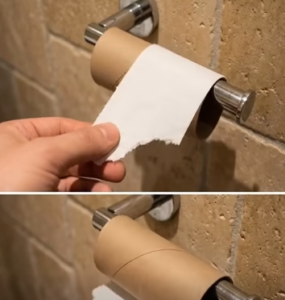
Toilet paper has been treated like a nonnegotiable household staple for so long that most people never stop to question it, until sustainability enters the conversation and suddenly the everyday feels heavier. More and more households are looking at what they buy on autopilot and asking what it costs beyond the receipt, especially when environmental responsibility starts to feel personal instead of abstract. The idea isn’t that toilet paper is “bad,” but that its scale is enormous, and once you notice that, it becomes hard to unsee. Even small habits feel different when you realize millions of people repeat them every day.
Part of the shift is simple awareness about production. Making toilet paper takes resources, and as people learn more about deforestation, water use, energy demands, and the pollution tied to manufacturing and transport, the product starts to look less invisible. Some shoppers also become more cautious when they hear about additives or residues in certain paper products, which adds another layer of motivation to explore alternatives. What used to be a routine purchase becomes a choice, and choices invite comparison.
That’s where water based cleaning comes in. In many parts of the world, using water has always been normal, hygienic, and practical, and now it’s being “rediscovered” in places where paper dominated. Bidets and bidet attachments are gaining popularity because newer options are easier to install, more affordable, and less intimidating than people assume. In countries like Japan, advanced toilets with built in water cleaning have already made the idea feel modern rather than unusual, and that influence is spreading as people travel, see it firsthand, and want the same comfort at home.
Reusable cloth alternatives are also rising, mostly among households willing to trade convenience for waste reduction and long term savings. They can feel unfamiliar at first, but the appeal is straightforward: less trash, less repeat buying, and more control over materials touching the body. Whether the future leans more toward bidets, reusable options, or a mix of both will depend on what people accept, what homes can support, and how much initial investment they’re willing to make. Either way, the trend reflects something bigger than bathroom habits: a growing desire to live in a way that feels lighter on the planet without needing to become extreme about it.