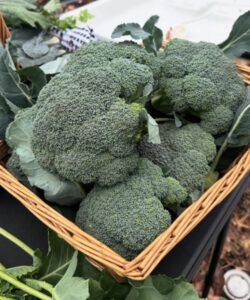
Broccoli is widely recognized as one of the most nutritious vegetables available, offering a powerful combination of vitamins, minerals, fiber, and naturally occurring plant compounds. Regularly including broccoli in a balanced diet can support overall wellness by contributing nutrients such as vitamin C, vitamin K, potassium, and dietary fiber. These nutrients play important roles in immune function, digestion, heart health, and bone strength. Broccoli also contains antioxidants and sulfur-containing compounds that help protect cells from everyday oxidative stress. While broccoli itself is highly nutritious, research shows that the way it is prepared can significantly influence how much of these beneficial components remain intact.
Cooking methods that use gentle heat and minimal water tend to preserve broccoli’s nutrients most effectively. Steaming is often considered one of the best options, as it helps retain vitamin C and antioxidants while keeping the vegetable’s bright color and crisp texture. Microwaving is another efficient method, particularly when using little or no added water, since shorter cooking times reduce nutrient loss. Light sautéing or quick stir-frying with a small amount of olive oil can also be a good choice. This approach enhances flavor and may improve the absorption of certain compounds, while still maintaining much of broccoli’s nutritional value when done briefly over moderate heat.
On the other hand, some cooking methods are more likely to reduce broccoli’s nutritional content. Boiling, especially for extended periods, can cause water-soluble vitamins and beneficial compounds to leach into the cooking water, leading to greater nutrient loss. Overcooking broccoli using any method can also diminish its value, as prolonged heat exposure breaks down vitamins and alters texture. A helpful visual cue is color: broccoli that remains a vibrant green typically retains more nutrients than broccoli that has turned dull or mushy. Avoiding excessive cooking time helps preserve both flavor and nutritional quality.
No matter how broccoli is prepared, there are simple ways to maximize its benefits. Cutting florets into evenly sized pieces allows for more consistent cooking, while using the stems—often overlooked—adds extra fiber and vitamin C. Cooking with minimal water, stopping as soon as broccoli becomes tender-crisp, and pairing it with healthy fats or flavorful seasonings can improve both taste and nutrient absorption. Ultimately, the best cooking method is one that balances nutrition with enjoyment. When broccoli tastes good, it’s more likely to be eaten regularly—and consistency is what makes the biggest difference in supporting long-term health.