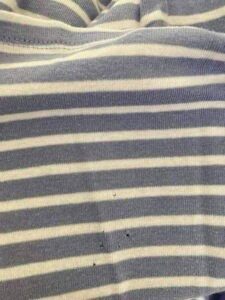
Holes appearing in clothing can be frustrating, especially when they show up on favorite shirts or well-loved garments. While many people immediately blame moths, the truth is that fabric damage often has far more ordinary causes. Everyday wear and tear plays a major role, particularly in areas that experience frequent friction. Belt buckles, zippers, rough chair edges, and even countertop surfaces can gradually weaken fabric fibers. Over time, repeated rubbing in the same spot can thin the material until small holes appear, seemingly out of nowhere.
Laundry habits are another common contributor to clothing damage. Overloading the washing machine puts excessive strain on fabrics, causing them to twist, stretch, and rub against each other more aggressively. This friction is especially harmful to lightweight or delicate materials. Fast spin cycles and high heat settings can also accelerate fiber breakdown, making clothes more vulnerable to tearing. Using mesh laundry bags for delicate items, sorting clothes by fabric type, and avoiding overly hot water can go a long way toward preserving garments.
Chemical exposure is another often-overlooked factor. Bleach, while effective for whitening and disinfecting, can significantly weaken fabric fibers when overused or improperly diluted. Even small splashes can create fragile spots that later turn into holes during washing or wearing. Similarly, harsh detergents or excessive detergent use can leave residue that slowly degrades fabric. Choosing gentle, fabric-appropriate cleaners and following recommended amounts helps maintain clothing strength and longevity.
Preventing holes ultimately comes down to mindful care. Simple changes—such as going belt-free with delicate tops, fastening zippers before washing, and storing clothes away from rough surfaces—can make a noticeable difference. Rotating frequently worn items also reduces repeated stress on the same garments. While no piece of clothing lasts forever, understanding what causes fabric damage empowers you to extend the life of your wardrobe. By paying attention to daily habits, laundry routines, and fabric care, you can keep your clothes looking better for longer and avoid those annoying mystery holes altogether.