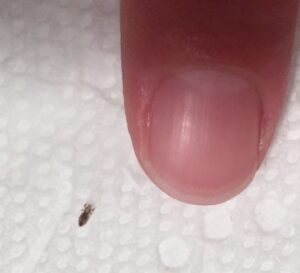
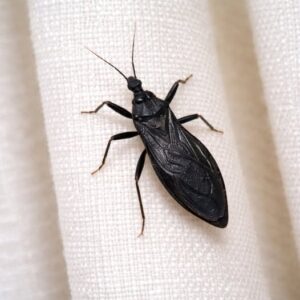
Few moments cause instant panic like realizing there’s a tiny insect in your hair. Whether it starts with an unexpected itch or a close look at a child’s scalp, the discovery can feel overwhelming. Head lice are especially common among children and often spread in schools or childcare settings where close contact is unavoidable. While the situation can be uncomfortable and stressful, it’s important to know that lice are a common issue and not a reflection of cleanliness. With the right approach, the problem can be handled safely and effectively without turning daily life upside down.
Head lice are small, wingless insects that live close to the scalp, where they feed and lay eggs called nits. These nits attach firmly to hair strands near the skin, making them harder to remove than the insects themselves. Although lice do not spread illness, their bites can cause persistent itching and irritation. They cannot jump or fly, which means they spread mainly through direct head-to-head contact or shared personal items like hats or brushes. Because they don’t survive long away from the scalp, treatment efforts are best focused on the hair rather than extreme household cleaning.
The safest way to deal with lice usually starts with a treatment product designed to eliminate live insects. These shampoos or lotions should be used exactly as directed to ensure effectiveness. After treatment, careful combing becomes essential. Using a fine-toothed comb on damp hair, work slowly in small sections from the scalp outward, removing both lice and nits. This step takes time and patience, but it plays a major role in preventing reinfestation and speeding up recovery.
Ongoing care helps ensure the problem doesn’t return. Repeating treatment and combing about a week later can catch newly hatched lice before they spread. It’s also helpful to wash items that touch the head, such as pillowcases, hats, and hair accessories, using warm water or setting them aside for a short period. Regular checks, avoiding shared personal items, and staying calm and informed can make future situations far less stressful. With consistency and care, removing an insect from the hair—and keeping it gone—is entirely manageable, allowing comfort and confidence to return quickly.