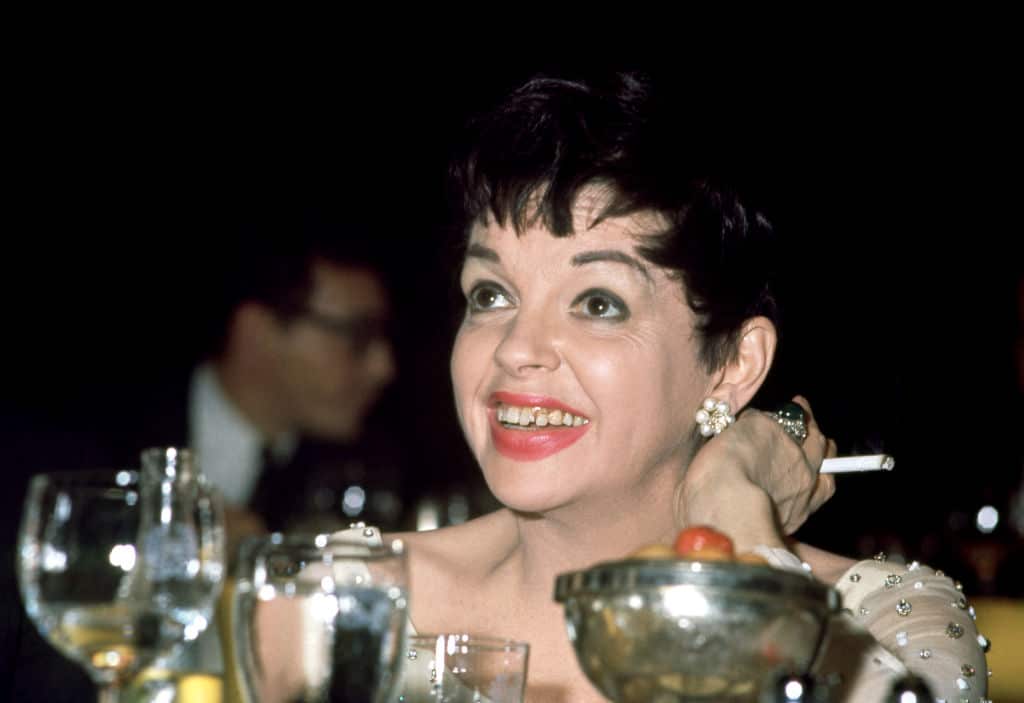
Long before the world knew her as a symbol of magic and music, Judy Garland was a child navigating a life far heavier than her years. From an early age, she was placed under intense pressure to perform, expected to shine no matter the cost. While audiences saw talent and charm, few understood the emotional toll of growing up under constant scrutiny. Her early years reveal a sobering truth about how fame, when it arrives too soon, can shape a childhood in lasting ways.

Born in Minnesota to vaudeville performers, Garland was on stage before she could fully understand what it meant. Her family life was marked by instability, frequent moves, and emotional strain, and performing quickly became less of a choice and more of an obligation. As her career gained momentum, adults around her tightly controlled her schedule, appearance, and behavior. In later interviews, Garland openly reflected on how performing became the only time she felt valued, a realization that followed her well into adulthood.

When she signed with MGM in the 1930s, her rise to stardom accelerated—but so did the demands placed upon her. Studio executives shaped her image relentlessly, enforcing strict routines and expectations that left little room for rest or self-discovery. Even as she delivered unforgettable performances, including her iconic role in The Wizard of Oz, she struggled privately with exhaustion and insecurity. The contrast between her joyful on-screen presence and her off-screen challenges became one of the defining tensions of her life.
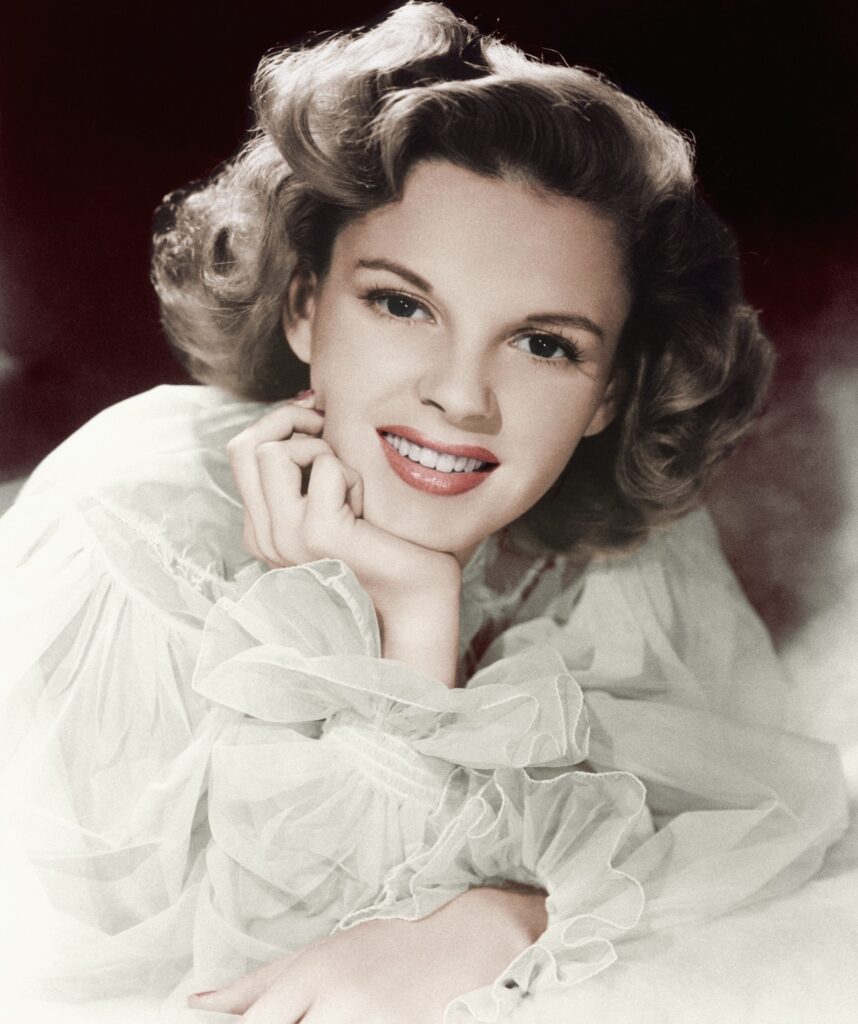
Despite these hardships, Garland’s talent and resilience left an indelible mark on entertainment history. Her later reflections, including candid conversations with Barbara Walters, revealed a woman who understood her own complexity—both the brilliance and the pain. Today, her legacy endures not only through her music and films, but also through a deeper understanding of the cost of early fame. Judy Garland’s story remains a powerful reminder that behind even the brightest spotlight, there is a human being whose experiences deserve empathy, care, and remembrance.