For decades, a daily shower may have felt as automatic as brushing your teeth. It’s a routine tied to freshness, confidence, and good hygiene. But many people are surprised to discover that later in life, that same habit can start to feel less refreshing and more uncomfortable. After the age of 65, the body changes in subtle but important ways, and personal care routines that once worked perfectly may no longer offer the same benefits. This doesn’t mean cleanliness becomes less important—it simply means that caring for the body often requires a gentler, more thoughtful approach.
One of the biggest changes involves the skin. As we age, skin naturally becomes thinner and produces fewer oils that help lock in moisture. Daily showers, especially with hot water or heavily scented soaps, can strip away those oils faster than the body can restore them. Over time, this may lead to dryness, itching, or sensitivity. Because aging skin also heals more slowly, even mild irritation can linger. Many health professionals recommend adjusting shower frequency and choosing mild, fragrance-free cleansers to protect the skin while still maintaining proper hygiene.
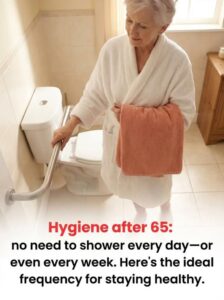
There are also practical reasons why daily showers may feel more demanding with age. Balance, endurance, and strength can change, making long periods of standing or navigating slippery surfaces more tiring or uncomfortable. For some, spacing out showers can help conserve energy and reduce physical strain. On non-shower days, simple habits—such as washing key areas with warm water, changing clothes, and keeping hands and face clean—can effectively maintain freshness and comfort without the need for a full bath.
Ultimately, showering after 65 isn’t about following strict rules—it’s about paying attention to what feels best. Some people continue to enjoy frequent showers, while others feel better with fewer, shorter ones. Using lukewarm water, gentle cleansers, and applying moisturizer shortly after bathing can significantly improve comfort. Personal care should support health, not create discomfort. By adapting routines to match changing needs, older adults can maintain cleanliness, confidence, and well-being in ways that truly serve their bodies.