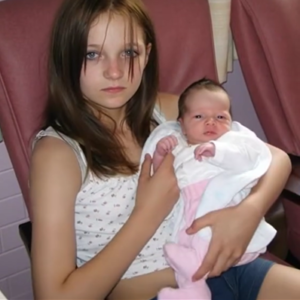
In 2006, the United Kingdom was gripped by shock when news emerged that a 12-year-old girl had given birth, making her Britain’s youngest known mother at the time.
Her name was Tressa Middleton, and almost overnight she became the focus of intense national attention.
Newspapers, television programs, and public debate followed her story closely, often reducing a deeply complex and painful situation to a headline.
Behind the attention, however, was a child who had already endured years of hardship long before the world began watching.
Tressa Middleton was born in 1994 in Broxburn, Scotland. From an early age, her life was marked by instability, poverty, and neglect.

By the time she was four years old, social services intervened, and she was taken into care.
Rather than providing consistent safety and structure, the years that followed were characterized by frequent moves, inadequate supervision, and ongoing emotional insecurity.
Tressa later described childhood experiences that included homelessness, chronic hunger, and living in unheated apartments during harsh Scottish winters.
According to her own accounts, daily life often revolved around survival rather than childhood routines.
Food was scarce, and it was not unusual for her to eat only one meal a day.
The lack of stability and protection left her vulnerable, and she was exposed to adult situations at an age when she should have been safeguarded. A
lcohol became part of her life while she was still very young, a coping mechanism that reflected deeper trauma rather than rebellion.
At just 11 years old, Tressa became pregnant. The pregnancy itself was the result of abuse, though this fact was not publicly known at the time.
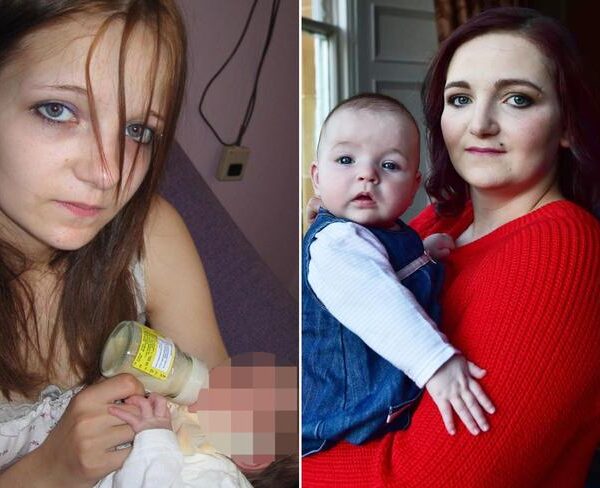
When she gave birth at 12 years and 8 months old, the event drew enormous media attention.
Headlines focused on her age, her appearance, and the circumstances surrounding the pregnancy.
Much of the coverage lacked context about her background and failed to address the broader failures that had allowed such a situation to occur.
During this period, Tressa stated that the father of her child was a local boy. This explanation was widely reported and accepted publicly, though it concealed a far more disturbing truth.
At such a young age, she was navigating fear, shame, and pressure from multiple directions.
Experts in child welfare have since emphasized that victims of abuse often remain silent or provide alternative explanations, especially when the abuse involves family members.
After the birth of her daughter, Annie, Tressa attempted to adjust to motherhood while still being a child herself. The challenges were immense.
She struggled with depression, unresolved trauma, and substance use, all while under constant public scrutiny.
The expectations placed upon her were unrealistic, given her age and psychological state.
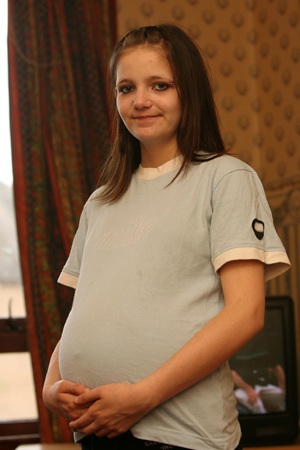
Two years later, social services made the decision to take Annie into care, citing concerns about Tressa’s mental health and ability to provide a safe environment.
The removal of her daughter was a deeply painful turning point. For Tressa, it represented not only the loss of her child, but also a reinforcement of long-standing feelings of failure and abandonment.
The situation was further complicated by the ongoing secrecy surrounding the identity of Annie’s father.
Public speculation continued, and the pressure intensified as Tressa’s personal struggles became more visible.
In 2009, Tressa revealed the truth that had remained hidden since her pregnancy. She disclosed that she had been sexually abused by her older brother over a period of time.
This revelation shifted public understanding of her story and underscored the severity of the abuse she had endured. DNA testing confirmed that her brother was the biological father of her child.
He was subsequently convicted in court and sentenced to a lengthy prison term.
The legal outcome provided formal acknowledgment of the crime, but it did not erase the damage caused by years of abuse and neglect.
Following the trial, Tressa’s life entered a period of further instability. She struggled with severe heroin addiction, which she later described as an attempt to numb emotional pain rather than a pursuit of pleasure.
Addiction compounded her mental health challenges and placed her at significant risk.

During this time, Tressa’s story faded from headlines, but her difficulties continued largely out of public view. Support systems were limited, and recovery was neither immediate nor linear.
Many survivors of childhood abuse face similar patterns, particularly when trauma is compounded by poverty, early substance exposure, and a lack of consistent adult protection.
Over time, however, Tressa began to find stability through personal relationships and external support.
She later spoke about meeting her partner, Darren, who provided encouragement and a sense of safety she had previously lacked.
With support, she entered recovery and began addressing her addiction and mental health challenges. While the process was difficult, it marked a significant step toward rebuilding her life.
Tressa’s story has since been revisited in discussions about child protection, media responsibility, and the long-term effects of abuse.
Experts have pointed out that her experience highlights systemic failures rather than individual shortcomings.
A child placed in care, exposed to instability, and left without adequate safeguarding is at increased risk of exploitation and harm.
Her case demonstrates how early intervention, consistent support, and trauma-informed care are critical in preventing similar outcomes.
The media attention surrounding her pregnancy also raised ethical questions. Critics have argued that the coverage often lacked sensitivity and failed to prioritize the well-being of a child who was also a victim.
Over time, there has been greater recognition of the need for responsible reporting, particularly in cases involving minors and survivors of abuse.
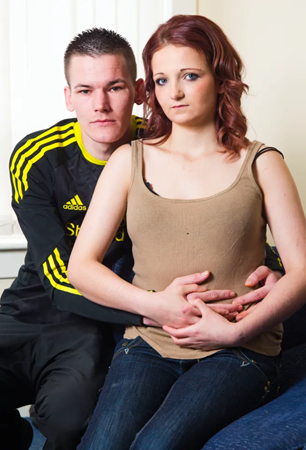
Importantly, Tressa’s life cannot be reduced to a single label or moment. While she was widely known as Britain’s youngest mother, that description overlooks the broader context of her experiences and the resilience required to survive them.
Her later efforts toward recovery reflect the possibility of change, even after profound trauma.
Her story also serves as a reminder of the long-lasting impact of childhood abuse. Survivors often carry the effects into adulthood, influencing mental health, relationships, and self-perception.
Recovery is possible, but it requires access to appropriate support, understanding, and patience.
Today, Tressa Middleton’s story is often cited as a cautionary example of what can happen when vulnerable children are not adequately protected.
It also illustrates the importance of listening to survivors and recognizing that disclosure may take years.
While her early life was marked by hardship, her later efforts toward healing underscore the strength required to confront trauma and seek a better future.
Ultimately, this is not simply the story of a young mother, but of a child failed by multiple systems and later forced to navigate adulthood under extraordinary circumstances.
By understanding her experience in full, it becomes possible to shift the focus away from judgment and toward prevention, accountability, and compassion.
Tressa’s journey highlights the need for vigilance in protecting children and for sustained support for those working to rebuild their lives after abuse.
In 2006, the United Kingdom was gripped by shock when news emerged that a 12-year-old girl had given birth, making her Britain’s youngest known mother at the time.
Her name was Tressa Middleton, and almost overnight she became the focus of intense national attention.
Newspapers, television programs, and public debate followed her story closely, often reducing a deeply complex and painful situation to a headline.
Behind the attention, however, was a child who had already endured years of hardship long before the world began watching.
Tressa Middleton was born in 1994 in Broxburn, Scotland. From an early age, her life was marked by instability, poverty, and neglect.
By the time she was four years old, social services intervened, and she was taken into care.
Rather than providing consistent safety and structure, the years that followed were characterized by frequent moves, inadequate supervision, and ongoing emotional insecurity.
Tressa later described childhood experiences that included homelessness, chronic hunger, and living in unheated apartments during harsh Scottish winters.
According to her own accounts, daily life often revolved around survival rather than childhood routines.
Food was scarce, and it was not unusual for her to eat only one meal a day.
The lack of stability and protection left her vulnerable, and she was exposed to adult situations at an age when she should have been safeguarded. A
lcohol became part of her life while she was still very young, a coping mechanism that reflected deeper trauma rather than rebellion.
At just 11 years old, Tressa became pregnant. The pregnancy itself was the result of abuse, though this fact was not publicly known at the time.
When she gave birth at 12 years and 8 months old, the event drew enormous media attention.
Headlines focused on her age, her appearance, and the circumstances surrounding the pregnancy.
Much of the coverage lacked context about her background and failed to address the broader failures that had allowed such a situation to occur.
During this period, Tressa stated that the father of her child was a local boy. This explanation was widely reported and accepted publicly, though it concealed a far more disturbing truth.
At such a young age, she was navigating fear, shame, and pressure from multiple directions.
Experts in child welfare have since emphasized that victims of abuse often remain silent or provide alternative explanations, especially when the abuse involves family members.
After the birth of her daughter, Annie, Tressa attempted to adjust to motherhood while still being a child herself. The challenges were immense.
She struggled with depression, unresolved trauma, and substance use, all while under constant public scrutiny.
The expectations placed upon her were unrealistic, given her age and psychological state.
Two years later, social services made the decision to take Annie into care, citing concerns about Tressa’s mental health and ability to provide a safe environment.
The removal of her daughter was a deeply painful turning point. For Tressa, it represented not only the loss of her child, but also a reinforcement of long-standing feelings of failure and abandonment.
The situation was further complicated by the ongoing secrecy surrounding the identity of Annie’s father.
Public speculation continued, and the pressure intensified as Tressa’s personal struggles became more visible.
In 2009, Tressa revealed the truth that had remained hidden since her pregnancy. She disclosed that she had been sexually abused by her older brother over a period of time.
This revelation shifted public understanding of her story and underscored the severity of the abuse she had endured. DNA testing confirmed that her brother was the biological father of her child.
He was subsequently convicted in court and sentenced to a lengthy prison term.
The legal outcome provided formal acknowledgment of the crime, but it did not erase the damage caused by years of abuse and neglect.
Following the trial, Tressa’s life entered a period of further instability. She struggled with severe heroin addiction, which she later described as an attempt to numb emotional pain rather than a pursuit of pleasure.
Addiction compounded her mental health challenges and placed her at significant risk.
During this time, Tressa’s story faded from headlines, but her difficulties continued largely out of public view. Support systems were limited, and recovery was neither immediate nor linear.
Many survivors of childhood abuse face similar patterns, particularly when trauma is compounded by poverty, early substance exposure, and a lack of consistent adult protection.
Over time, however, Tressa began to find stability through personal relationships and external support.
She later spoke about meeting her partner, Darren, who provided encouragement and a sense of safety she had previously lacked.
With support, she entered recovery and began addressing her addiction and mental health challenges. While the process was difficult, it marked a significant step toward rebuilding her life.
Tressa’s story has since been revisited in discussions about child protection, media responsibility, and the long-term effects of abuse.
Experts have pointed out that her experience highlights systemic failures rather than individual shortcomings.
A child placed in care, exposed to instability, and left without adequate safeguarding is at increased risk of exploitation and harm.
Her case demonstrates how early intervention, consistent support, and trauma-informed care are critical in preventing similar outcomes.
The media attention surrounding her pregnancy also raised ethical questions. Critics have argued that the coverage often lacked sensitivity and failed to prioritize the well-being of a child who was also a victim.
Over time, there has been greater recognition of the need for responsible reporting, particularly in cases involving minors and survivors of abuse.
Importantly, Tressa’s life cannot be reduced to a single label or moment. While she was widely known as Britain’s youngest mother, that description overlooks the broader context of her experiences and the resilience required to survive them.
Her later efforts toward recovery reflect the possibility of change, even after profound trauma.
Her story also serves as a reminder of the long-lasting impact of childhood abuse. Survivors often carry the effects into adulthood, influencing mental health, relationships, and self-perception.
Recovery is possible, but it requires access to appropriate support, understanding, and patience.
Today, Tressa Middleton’s story is often cited as a cautionary example of what can happen when vulnerable children are not adequately protected.
It also illustrates the importance of listening to survivors and recognizing that disclosure may take years.
While her early life was marked by hardship, her later efforts toward healing underscore the strength required to confront trauma and seek a better future.
Ultimately, this is not simply the story of a young mother, but of a child failed by multiple systems and later forced to navigate adulthood under extraordinary circumstances.
By understanding her experience in full, it becomes possible to shift the focus away from judgment and toward prevention, accountability, and compassion.
Tressa’s journey highlights the need for vigilance in protecting children and for sustained support for those working to rebuild their lives after abuse.