The brilliant mind whose creativity helped shape some of the most beloved toys of the last century.
The kinds of toys that lit up living rooms, sparked lifelong friendships, and turned ordinary afternoons into unforgettable adventures — has passed away at the remarkable age of 99.
Burt Meyer, the visionary designer behind classics like Rock’em Sock’em Robots, Lite-Brite, Mouse Trap, and Toss Across, is no longer with us.
His creations were more than toys. They were cultural landmarks. They were the building blocks of imagination. They were tiny pieces of magic that shaped childhoods across generations.
A Designer Who Lived in Two Worlds at Once
To understand Burt Meyer’s impact, you have to understand the era he stepped into.
America in the years after World War II was bursting with change. Technology was evolving at a breathtaking pace:
-
Plastics became cheaper, lighter, and easier to shape.
-
Electronics began moving from factories into everyday homes.
-
Parents, newly hopeful about the future, wanted their children to have opportunities they themselves never had.
Toys were no longer simple wooden blocks or tin cars — they were beginning to reflect the imagination of a new world.
And in the middle of that transformation stood Meyer, a man who lived in two worlds simultaneously.
On one side was the imagination of a child, overflowing with color, movement, and possibility.
On the other side was the disciplined mind of an engineer, able to translate dreams into gears, springs, switches, and mechanisms that actually worked.
He could picture magical ideas — and then build them.
This rare combination made Meyer one of the most influential toy designers in American history.
His toys weren’t just fun. They were innovative, mechanically clever, and durable enough to survive years of enthusiastic hands tugging, twisting, punching, building, and experimenting.
The Spark That Lit the Lite-Brite
One of Meyer’s most iconic inventions — Lite-Brite — was born in 1966, thanks to a moment of inspiration on a Manhattan sidewalk.
According to NBC News, Meyer and Marvin Glass, the head of a powerhouse toy design firm, were walking through the city when they passed a dazzling, glowing window display.
Most adults would have admired the lights and walked on.
But Meyer saw something else.
He saw the potential for a completely new way for children to create art — not with crayons or paints, but with light.
Engineers argued it wasn’t possible. They worried about heat, electricity, tiny parts, safety standards — all the things toy designers must consider.
Many believed the idea would never make it past the concept stage.
But Meyer refused to give up.
Tim Walsh, in his book Timeless Toys, wrote that while ideas are abundant, execution is the true test of imagination. Meyer passed that test.
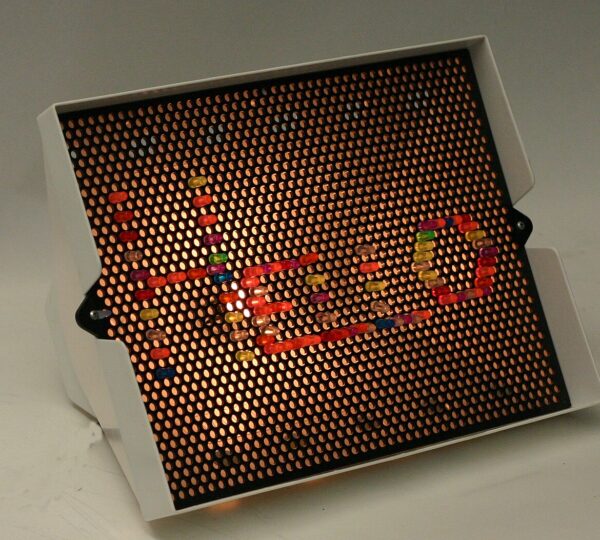
He designed:
-
a child-safe illuminated box,
-
black paper sheets that blocked light until punched through,
-
colorful plastic pegs that glowed like stars when the lamp behind them lit up.
The moment children turned on the switch for the first time and saw their pictures shine, a legend was born.
Lite-Brite went on to become one of the 100 greatest toys ever made, according to Time magazine, and later earned a place in the Strong National Museum of Play’s Toy Hall of Fame.
Today, more than half a century later, new versions continue to sell — proof of Meyer’s timeless creativity.
Reinventing Rock’em Sock’em Robots
Meyer’s genius didn’t stop with Lite-Brite.
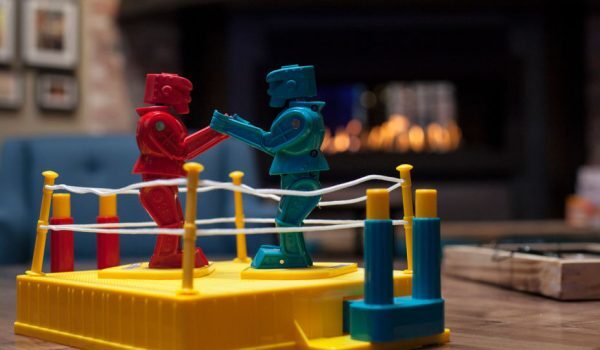
He also reinvented one of the most iconic toys ever made: Rock’em Sock’em Robots.
Originally, the game began as a boxing concept. But after the tragic death of a featherweight fighter, realistic boxing toys became controversial. The design was shelved.
Most designers would have abandoned the idea.
Not Meyer.
“This is too good to pass up,” he said in a 2010 interview.
“Let’s take it away from humanity — let’s make it robots. And we won’t have them fall over; we’ll have something funny happen.”
That moment of insight changed everything.

With two brightly colored robots — Red Rocker and Blue Bomber — locked in playful battle, the game became an instant hit. Kids everywhere slammed the controllers, yelling the famous line:
“You knocked my block off!”
It was simple. It was chaotic. It was absolutely unforgettable.
And it existed because Meyer knew how to take a problem and turn it into a burst of joy.
A Legacy That Outlives Generations
Burt Meyer passed away on October 30, according to Rebecca Mathis, executive director of the King-Bruwaert House in Burr Ridge, Illinois, where he spent his later years.
But while he may be gone, his influence remains alive in millions of memories.
Children — now grown into parents and grandparents — can instantly recall:
-
glowing Lite-Brite designs in dark bedrooms,
-
colorful pegs scattered like confetti across the carpet,
-
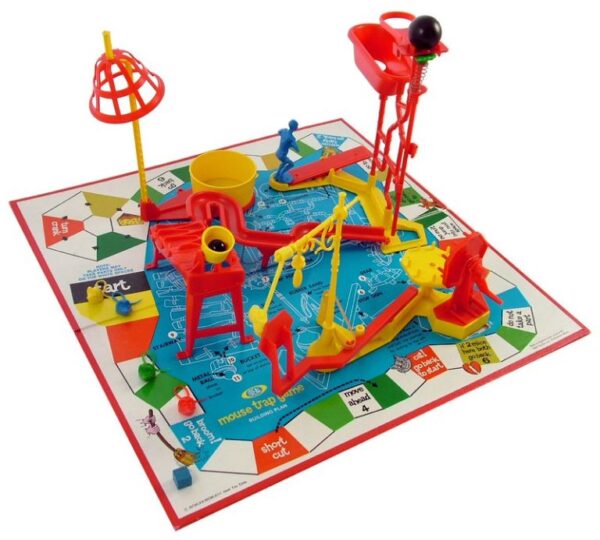
the rattling chain reaction of a Mouse Trap setup finally completing,
-
plastic robots popping their heads off in dramatic victory,
-
siblings shouting, laughing, competing, arguing, and making up,
-
holiday mornings filled with excitement and wrapping paper,
-
rainy afternoons spent creating worlds from nothing but imagination.
These were not just toys.
They were moments, the kind that stay with you long after childhood fades.
Meyer’s toys helped children learn how to build, design, imagine, solve problems, think creatively, and share experiences with others.
They inspired experimentation, storytelling, and collaboration — long before the digital age transformed play.
Rest in Peace, Burt Meyer
Thank you for filling childhood with magic, wonder, and endless creativity.
Your toys didn’t just entertain us — they shaped our memories, strengthened our friendships, and taught us how to explore the world with imagination and curiosity.
Few people get to touch so many lives in such a joyful, lasting way.
Godspeed, Burt Meyer.
Your legacy will continue to shine — just like a Lite-Brite switched on in a dark room.
The brilliant mind whose creativity helped shape some of the most beloved toys of the last century.
The kinds of toys that lit up living rooms, sparked lifelong friendships, and turned ordinary afternoons into unforgettable adventures — has passed away at the remarkable age of 99.
Burt Meyer, the visionary designer behind classics like Rock’em Sock’em Robots, Lite-Brite, Mouse Trap, and Toss Across, is no longer with us.
His creations were more than toys. They were cultural landmarks. They were the building blocks of imagination. They were tiny pieces of magic that shaped childhoods across generations.
A Designer Who Lived in Two Worlds at Once
To understand Burt Meyer’s impact, you have to understand the era he stepped into.
America in the years after World War II was bursting with change. Technology was evolving at a breathtaking pace:
-
Plastics became cheaper, lighter, and easier to shape.
-
Electronics began moving from factories into everyday homes.
-
Parents, newly hopeful about the future, wanted their children to have opportunities they themselves never had.
Toys were no longer simple wooden blocks or tin cars — they were beginning to reflect the imagination of a new world.
And in the middle of that transformation stood Meyer, a man who lived in two worlds simultaneously.
On one side was the imagination of a child, overflowing with color, movement, and possibility.
On the other side was the disciplined mind of an engineer, able to translate dreams into gears, springs, switches, and mechanisms that actually worked.
He could picture magical ideas — and then build them.
This rare combination made Meyer one of the most influential toy designers in American history.
His toys weren’t just fun. They were innovative, mechanically clever, and durable enough to survive years of enthusiastic hands tugging, twisting, punching, building, and experimenting.
The Spark That Lit the Lite-Brite
One of Meyer’s most iconic inventions — Lite-Brite — was born in 1966, thanks to a moment of inspiration on a Manhattan sidewalk.
According to NBC News, Meyer and Marvin Glass, the head of a powerhouse toy design firm, were walking through the city when they passed a dazzling, glowing window display.
Most adults would have admired the lights and walked on.
But Meyer saw something else.
He saw the potential for a completely new way for children to create art — not with crayons or paints, but with light.
Engineers argued it wasn’t possible. They worried about heat, electricity, tiny parts, safety standards — all the things toy designers must consider.
Many believed the idea would never make it past the concept stage.
But Meyer refused to give up.
Tim Walsh, in his book Timeless Toys, wrote that while ideas are abundant, execution is the true test of imagination. Meyer passed that test.
He designed:
-
a child-safe illuminated box,
-
black paper sheets that blocked light until punched through,
-
colorful plastic pegs that glowed like stars when the lamp behind them lit up.
The moment children turned on the switch for the first time and saw their pictures shine, a legend was born.
Lite-Brite went on to become one of the 100 greatest toys ever made, according to Time magazine, and later earned a place in the Strong National Museum of Play’s Toy Hall of Fame.
Today, more than half a century later, new versions continue to sell — proof of Meyer’s timeless creativity.
Reinventing Rock’em Sock’em Robots
Meyer’s genius didn’t stop with Lite-Brite.
He also reinvented one of the most iconic toys ever made: Rock’em Sock’em Robots.
Originally, the game began as a boxing concept. But after the tragic death of a featherweight fighter, realistic boxing toys became controversial. The design was shelved.
Most designers would have abandoned the idea.
Not Meyer.
“This is too good to pass up,” he said in a 2010 interview.
“Let’s take it away from humanity — let’s make it robots. And we won’t have them fall over; we’ll have something funny happen.”
That moment of insight changed everything.
With two brightly colored robots — Red Rocker and Blue Bomber — locked in playful battle, the game became an instant hit. Kids everywhere slammed the controllers, yelling the famous line:
“You knocked my block off!”
It was simple. It was chaotic. It was absolutely unforgettable.
And it existed because Meyer knew how to take a problem and turn it into a burst of joy.
A Legacy That Outlives Generations
Burt Meyer passed away on October 30, according to Rebecca Mathis, executive director of the King-Bruwaert House in Burr Ridge, Illinois, where he spent his later years.
But while he may be gone, his influence remains alive in millions of memories.
Children — now grown into parents and grandparents — can instantly recall:
-
glowing Lite-Brite designs in dark bedrooms,
-
colorful pegs scattered like confetti across the carpet,
-
the rattling chain reaction of a Mouse Trap setup finally completing,
-
plastic robots popping their heads off in dramatic victory,
-
siblings shouting, laughing, competing, arguing, and making up,
-
holiday mornings filled with excitement and wrapping paper,
-
rainy afternoons spent creating worlds from nothing but imagination.
These were not just toys.
They were moments, the kind that stay with you long after childhood fades.
Meyer’s toys helped children learn how to build, design, imagine, solve problems, think creatively, and share experiences with others.
They inspired experimentation, storytelling, and collaboration — long before the digital age transformed play.
Rest in Peace, Burt Meyer
Thank you for filling childhood with magic, wonder, and endless creativity.
Your toys didn’t just entertain us — they shaped our memories, strengthened our friendships, and taught us how to explore the world with imagination and curiosity.
Few people get to touch so many lives in such a joyful, lasting way.
Godspeed, Burt Meyer.
Your legacy will continue to shine — just like a Lite-Brite switched on in a dark room.