I was forty the year I agreed to marry the man next door, and the decision felt less like a leap than the long exhale at the end of a staircase I hadn’t realized I’d climbed. My mother stood at the kitchen sink, sleeves rolled to her elbows, the faint scent of lemon cleaner in the air, and said, “Sarah, perfection is a moving target—kindness is not.”
Her words lingered as I remembered James Parker, who had limped past my life for two decades. He was five years older, quiet, dependable—a man who repaired televisions, carried groceries for his elderly mother, and tipped his cap to stray dogs. The kind of man people called “good” the same way they complimented bread that always rose just right: steady, humble, quietly necessary.
His right leg dragged just enough to make strangers look away, yet his smile drew them back without effort. Rumors said he had liked me since I returned his mother’s casserole dish, still warm from the oven, and those small whispers of the neighborhood were truer than the truths I tried to tell myself.
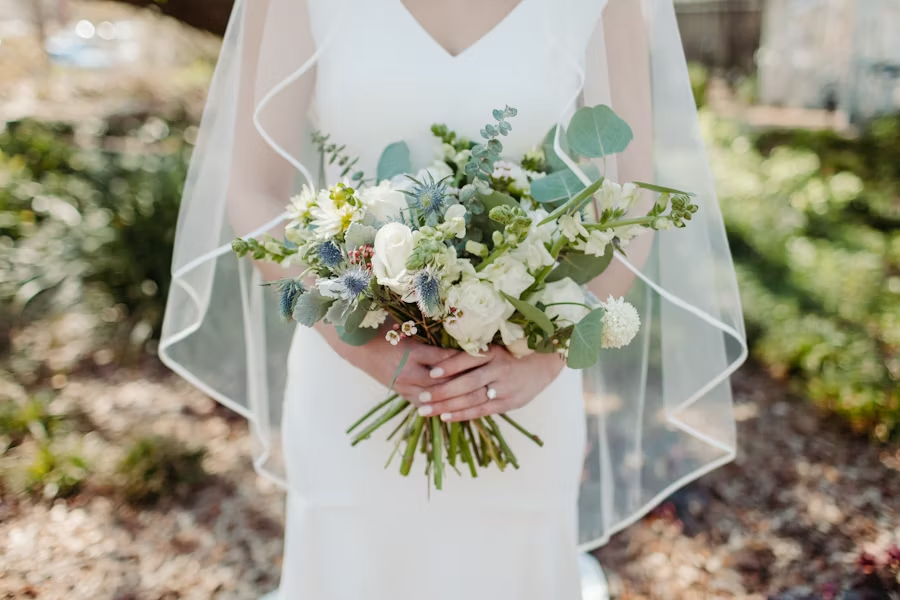
It was October, and the rain fell hard, sending maples shedding red and gold leaves across our quiet Burlington street. In a courthouse chapel the size of a waiting room, I nodded and tried on the word “wife” like a sweater I feared would itch. There was no lace, no confetti, no cake frozen for luck—just a roast chicken on a scratched oak table and a man who set a glass of water by my pillow as if hydration were sacred.

I lay on my side in a bedroom smelling faintly of cedar and solder, listening to the rain bead on the porch roof, wondering if respect could ever feel like desire. James limped to the switch, pulled the thin chain with the carefulness of someone who had broken fragile things before, and said, “You can sleep, Sarah; I won’t touch you until you want me to.” He rolled to the far edge of the bed, his politeness a quiet promise no one needed to witness.
That night, my heart braced for impact and found instead a trembling peace. Dawn arrived with a tray: warm milk steaming like a tiny cathedral, an egg sandwich wrapped in parchment, and a note in his blocky handwriting: I went to fix a customer’s set. Stay in if the rain keeps at it. I cried for twenty minutes over breakfast I hadn’t asked for, surprised that tears could exist for the first moment someone treated you like you mattered simply because you existed.
That evening, the house smelling of copper, oil, and weather, I called him to the living room. “Sit,” I said, patting the cushion beside me like a woman twice my courage. When he obeyed, I took both his hands. “I don’t want to be two people sharing a bed,” I said. “I want us to be husband and wife in the old, full way.”
His eyes blinked as if my words were sudden sunlight. His throat moved, dry, like a man who had been thirsty longer than he admitted. “Are you sure?” he asked, his voice shaking with that hurt leg of his. I smiled through a river of foolish tears. “I am.” He didn’t lunge at love; he reached for it the way a repairman reaches for delicate wiring—warm, precise, grateful to be trusted with something that still worked.
The first night we belonged to each other felt like the end of being auditioned by the world and the start of being known by someone who kept the lights gentle. We never called it fate, only luck—the ordinary miracle of two people arriving late and refusing to apologize to the years that had rolled their eyes. We learned a liturgy of small things: dailiness that wrapped itself around the hours until even grief would have trouble finding a seam.
He brewed my morning tea in a dented kettle and argued with cinnamon and orange peel, smiling like a man who understood spice the way he understood current. I took butter, flour, and his mother’s old tin cutters, making bread that seemed to rise just to see him grin with his head tilted. We met in thresholds and doorways, passed wrenches and oven mitts, and said “thank you” so often it became the music of the house.
By spring, I could solder a joint and he could sift for lumps with a wrist that had learned patience from batter. It felt like a wedding vow more binding than rings. We didn’t say “I love you” as if the words were magic; we built a language out of errands, porch repairs, and the mapped comfort of each other’s footsteps on the stairs. Watching him coax a neighbor’s radio into singing one afternoon, I realized with the quiet certainty of rain that love need not arrive early to be right on time.
Ten years drifted over our roof like a familiar cloud, changing shape but never threatening to leave. Our wooden house in Burlington kept its splinters and its stubborn door, but the porch chairs adjusted to us as if furniture could take vows. James’s hair collected frost the way our maples did in November, and his limp softened into a footnote we barely noticed. Children learned if they waited politely he would hand them a screw or a story. I opened a bakery on Main Street, a place that remembered names and griefs and set aside the last blueberry scone for someone who swore they weren’t coming.
Evenings we poured tea, warm, bitter, full of love, listening to leaves fall like soft applause. Sometimes I wondered if meeting him earlier would have spared us bruises, but then I’d remember: I knew what tenderness cost by then, and could finally afford it.
One autumn, a cough found him in the shop between the coil and the cathode. He steadied himself on a bench, bracing for a wave we could see coming. “His heart needs mending,” the cardiologist said, in gentle, professional thunder, like James were another appliance brought in for repair. He squeezed my fingers and whispered, “I’ve fixed things my whole life; help me fix this,” and I realized I had been chosen for my own life again.
Surgery came and went. I held my breath in a hallway full of chairs that seemed too many for the anxiety we felt, praying to every god who understood mechanics of breath. Six hours later, the doctor came out sleepy-eyed but smiling, and I cried the way you do when you’ve held your head in a vise for weeks. James woke with a joke, making the nurse laugh: “I smelled cinnamon; I knew I couldn’t die yet.” I promised him a lifetime of warm cups if he stayed.

Recovery taught patience and care: reading aloud from repair manuals to a man who mended silence by listening, sharing afternoons counting leaves by the window, and learning that autumn could teach loss and return without sarcasm. By winter, the scar on his chest was a pale road my fingers memorized. We slept in configurations giving space without treating it like a relic, took short walks leaning on a maple-leaf-carved cane, and the town slowed their cars because kindness is contagious if not cautioned away.
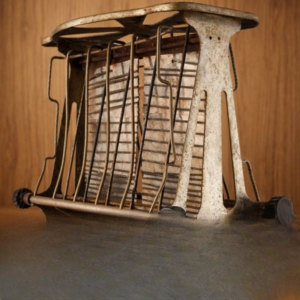
I learned that love is not the absence of fear; it is the decision to brew tea while fear takes a seat and remembers how to behave. Time, which had been generous, resumed its usual pace. James returned to the shop in half-days, reviving toasters and radios as if breathing life back into the ordinary. We celebrated anniversaries with sourdough starters, antique clocks, and perennial herbs, never counting how many we had left. Some nights he slept with a pencil in hand, mid-diagram, as if even his dreams needed schematics to behave.
I cried sometimes for no reason anyone would file, and he dried my face with a towel like a man fixing a small leak before it warped the floor. “If I go first,” he said once, practical and unmaudlin, “promise me you’ll keep making tea and don’t let the kettle rust.” I promised, like a wife and a mechanic, and we drank our stolen time hot and untamed.
When grief came finally, it arrived as silently as tea steam on a porch rail. I poured for him still, even though he could not finish it. I learned to fix grief’s small cousins—old radios, clocks, broken appliances, small hurts—while keeping a room open for absence. I hung a “CLOSED FOR REPAIRS” sign at the shop, realizing it applied to more than machines, reopening only when I knew how to point people toward hope without lying.
The house learned to adjust without him. I talked back to the pipes, the floorboards, the cinnamon aisle at the grocery. Fixing things became less about saving money and more about proving the world could still be persuaded to work if treated with care. People brought me their sadness tucked in sleeves: dead radios inherited from fathers, stopped clocks, marriages needing glue. Sometimes, the only thing we mended was the habit of asking for help.
Seasons turned, maple buds sprouted, children laughed through mud on the bakery floor, and I offered Saturday pastries to anyone under ten who said please. I hosted a monthly “Fix What We Can” night, mending lamps, marriages, and rumors. Small kindnesses, observed and returned, became the measure of love, not perfection.
On anniversaries of James’s surgery, I sent letters and photos to doctors, strangers, and neighbors, documenting tea on the porch, maple leaves, the way warmth survives absence. I left half a thermos for ants, practiced generosity for its own sake, and learned that grief and gratitude share a single mug. Love arrives late, but it can teach a house its recipe in minutes, leaving behind small mercies—an egg sandwich, a cup of tea, a quiet promise—that bind a life together, perfectly late yet right on time.
Let us know what you think about this story on the Facebook video. If you like this story, share it with friends and family so they too can be reminded that kindness, patience, and small mercies often outlast perfection.