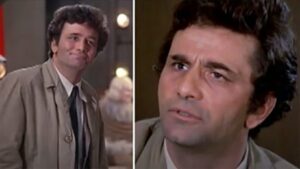
Crumpled raincoat-wearing Lieutenant Columbo remains one of the most iconic and beloved TV detectives ever created.
With his disarming manner, unpolished charm, and habit of walking away before returning with “just one more thing,” the character reshaped the entire detective genre.
At a time when television sleuths were sharp-dressed geniuses, Columbo’s deceptively clumsy style made him unforgettable.
Throughout the 1970s, Columbo dominated primetime television and later continued through periodic TV movies well into the early 2000s.
The show’s success spread across continents, and Peter Falk’s portrayal earned him four Emmy Awards and worldwide admiration.
Audiences adored the way this blue-collar homicide detective outsmarted the elite, the powerful, and the arrogant—always with intelligence hidden beneath a seemingly absent-minded exterior.

But behind the camera, Peter Falk’s life was far more complex than the character he made famous. His journey was one of resilience, artistic commitment, and personal challenges that shaped him both as a performer and as a man.
Early Life and the Loss That Shaped His Future
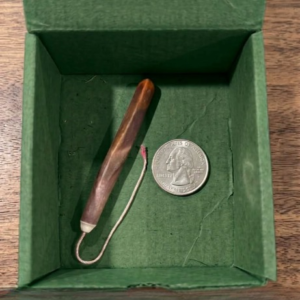
Born in New York City in 1927, Falk faced hardship early in life. At just three years old, he was diagnosed with retinoblastoma, a rare form of eye cancer, and doctors were forced to remove his right eye.
For the rest of his life, he wore a prosthetic eye—a feature that contributed to the distinctive squint that later became part of Columbo’s charm.
Despite this setback, Falk grew up active, energetic, and determined.
He excelled in sports, especially baseball and basketball, and refused to let his disability define him. In a lighthearted 1997 interview with Cigar Aficionado, he recalled an incident from high school baseball:
frustrated with a bad call, he popped out his glass eye, handed it to the umpire, and joked, “Try this.” The crowd erupted in laughter—a moment that perfectly captured his sense of humor.
From Stage to Stardom: A Career Takes Flight
Falk didn’t pursue acting seriously until after college, but when he did, he committed to it with passion.
After stage roles in regional theater, his breakout performance came in 1960 with Murder, Inc., a crime drama where he played hitman Abe Reles.
His raw, intense performance earned him an Academy Award nomination, instantly marking him as a major new talent.
He followed it with another Oscar-nominated role in Pocketful of Miracles (1961), starring alongside Bette Davis.
Critics praised Falk’s unique blend of toughness, sensitivity, and character authenticity—qualities that later became the foundation for his portrayal of Lieutenant Columbo.
By the early 1970s, Falk had secured his legacy. At the height of the show’s success, he reportedly became one of the highest-paid actors on television, earning around $250,000 per episode—a groundbreaking figure for the time.
Marriage, Family, and Private Tensions
In 1960, Falk married Alyce Mayo, whom he had met years earlier while both were students at Syracuse University.
Together they adopted two daughters, Catherine and Jackie. Although the family often appeared close in public, the relationships behind the scenes were sometimes strained—particularly between Falk and Catherine.
Catherine later became a private investigator and spoke publicly about disagreements over financial support and family boundaries.

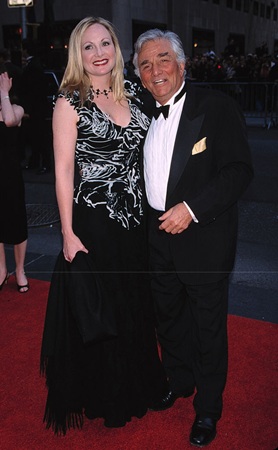
Their relationship grew more complicated after Peter Falk married his second wife, actress Shera Danese, in 1977. Several reports describe tensions between Danese and Falk’s daughters, which continued for years.
While Hollywood biographies sometimes sensationalize private conflicts, what is widely confirmed is that Falk’s later years were marked by legal tensions over conservatorship, medical decisions, and end-of-life visitation.
These conflicts reflected the painful reality many families face when dementia enters their lives.
Declining Health and Final Years
In the mid-2000s, Falk’s health began to decline. He underwent hip surgery in 2008, after which his cognitive health deteriorated.
Court documents later confirmed that he struggled with dementia, and his wife Shera Danese eventually became his legal conservator to oversee medical and personal decisions.
While some accounts claim he no longer remembered his iconic role as Columbo, such statements are based on personal testimony rather than medical confirmation.
What is publicly verified is that his dementia progressed significantly in his final years, making care and supervision essential.
On June 23, 2011, Peter Falk passed away at his Beverly Hills home at the age of 83. His death was attributed to pneumonia, with complications linked to Alzheimer’s disease.
Hollywood reacted with an outpouring of tributes. Director Steven Spielberg, who worked with him early in his career, said:
“I learned more about acting from him at that early stage of my career than I had from anyone else.”
His daughters remembered him for his humor, warmth, and wisdom, despite the wounds left by family disputes.
A Legacy That Endures Across Generations
Peter Falk’s legacy is timeless. His portrayal of Lieutenant Columbo remains one of the greatest character performances in television history.
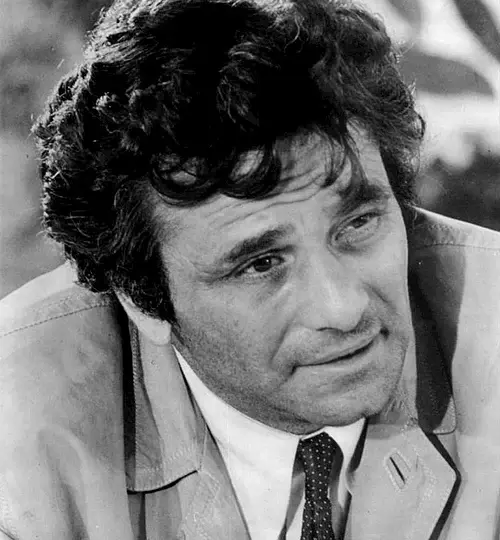
Fans still celebrate the show’s clever structure, unforgettable villains, and the detective’s deceptive simplicity.
Columbo was never about car chases or explosions. It was about psychology, human behavior, and the subtle art of the slow reveal. Falk elevated that artistry in every episode.
Beyond acting, he was also a painter, a storyteller, and a man who refused to let physical challenges define the path he carved for himself.
Today, his memory lives on through:
-
the millions of fans who still watch Columbo,
-
the filmmakers and actors he influenced,
-
and the family members who preserve his legacy in their own ways.
Peter Falk may be gone, but Lieutenant Columbo remains immortal—forever stepping into a room, scratching his head, and turning back with one final question that always changes everything.
Crumpled raincoat-wearing Lieutenant Columbo remains one of the most iconic and beloved TV detectives ever created.
With his disarming manner, unpolished charm, and habit of walking away before returning with “just one more thing,” the character reshaped the entire detective genre.
At a time when television sleuths were sharp-dressed geniuses, Columbo’s deceptively clumsy style made him unforgettable.
Throughout the 1970s, Columbo dominated primetime television and later continued through periodic TV movies well into the early 2000s.
The show’s success spread across continents, and Peter Falk’s portrayal earned him four Emmy Awards and worldwide admiration.
Audiences adored the way this blue-collar homicide detective outsmarted the elite, the powerful, and the arrogant—always with intelligence hidden beneath a seemingly absent-minded exterior.
But behind the camera, Peter Falk’s life was far more complex than the character he made famous. His journey was one of resilience, artistic commitment, and personal challenges that shaped him both as a performer and as a man.
Early Life and the Loss That Shaped His Future
Born in New York City in 1927, Falk faced hardship early in life. At just three years old, he was diagnosed with retinoblastoma, a rare form of eye cancer, and doctors were forced to remove his right eye.
For the rest of his life, he wore a prosthetic eye—a feature that contributed to the distinctive squint that later became part of Columbo’s charm.
Despite this setback, Falk grew up active, energetic, and determined.
He excelled in sports, especially baseball and basketball, and refused to let his disability define him. In a lighthearted 1997 interview with Cigar Aficionado, he recalled an incident from high school baseball:
frustrated with a bad call, he popped out his glass eye, handed it to the umpire, and joked, “Try this.” The crowd erupted in laughter—a moment that perfectly captured his sense of humor.
From Stage to Stardom: A Career Takes Flight
Falk didn’t pursue acting seriously until after college, but when he did, he committed to it with passion.
After stage roles in regional theater, his breakout performance came in 1960 with Murder, Inc., a crime drama where he played hitman Abe Reles.
His raw, intense performance earned him an Academy Award nomination, instantly marking him as a major new talent.
He followed it with another Oscar-nominated role in Pocketful of Miracles (1961), starring alongside Bette Davis.
Critics praised Falk’s unique blend of toughness, sensitivity, and character authenticity—qualities that later became the foundation for his portrayal of Lieutenant Columbo.
By the early 1970s, Falk had secured his legacy. At the height of the show’s success, he reportedly became one of the highest-paid actors on television, earning around $250,000 per episode—a groundbreaking figure for the time.
Marriage, Family, and Private Tensions
In 1960, Falk married Alyce Mayo, whom he had met years earlier while both were students at Syracuse University.
Together they adopted two daughters, Catherine and Jackie. Although the family often appeared close in public, the relationships behind the scenes were sometimes strained—particularly between Falk and Catherine.
Catherine later became a private investigator and spoke publicly about disagreements over financial support and family boundaries.
Their relationship grew more complicated after Peter Falk married his second wife, actress Shera Danese, in 1977. Several reports describe tensions between Danese and Falk’s daughters, which continued for years.
While Hollywood biographies sometimes sensationalize private conflicts, what is widely confirmed is that Falk’s later years were marked by legal tensions over conservatorship, medical decisions, and end-of-life visitation.
These conflicts reflected the painful reality many families face when dementia enters their lives.
Declining Health and Final Years
In the mid-2000s, Falk’s health began to decline. He underwent hip surgery in 2008, after which his cognitive health deteriorated.
Court documents later confirmed that he struggled with dementia, and his wife Shera Danese eventually became his legal conservator to oversee medical and personal decisions.
While some accounts claim he no longer remembered his iconic role as Columbo, such statements are based on personal testimony rather than medical confirmation.
What is publicly verified is that his dementia progressed significantly in his final years, making care and supervision essential.
On June 23, 2011, Peter Falk passed away at his Beverly Hills home at the age of 83. His death was attributed to pneumonia, with complications linked to Alzheimer’s disease.
Hollywood reacted with an outpouring of tributes. Director Steven Spielberg, who worked with him early in his career, said:
“I learned more about acting from him at that early stage of my career than I had from anyone else.”
His daughters remembered him for his humor, warmth, and wisdom, despite the wounds left by family disputes.
A Legacy That Endures Across Generations
Peter Falk’s legacy is timeless. His portrayal of Lieutenant Columbo remains one of the greatest character performances in television history.
Fans still celebrate the show’s clever structure, unforgettable villains, and the detective’s deceptive simplicity.
Columbo was never about car chases or explosions. It was about psychology, human behavior, and the subtle art of the slow reveal. Falk elevated that artistry in every episode.
Beyond acting, he was also a painter, a storyteller, and a man who refused to let physical challenges define the path he carved for himself.
Today, his memory lives on through:
-
the millions of fans who still watch Columbo,
-
the filmmakers and actors he influenced,
-
and the family members who preserve his legacy in their own ways.
Peter Falk may be gone, but Lieutenant Columbo remains immortal—forever stepping into a room, scratching his head, and turning back with one final question that always changes everything.