
Ricky Nelson was a beloved figure in American music history, a teen idol whose songs and television appearances captured the hearts of millions. Born Eric Hilliard Nelson on May 8, 1940, in Teaneck, New Jersey, Ricky grew up in the spotlight. His parents, Ozzie and Harriet Nelson, were stars of the long-running sitcom The Adventures of Ozzie and Harriet, which aired for sixteen years—a record for its time. Ricky and his older brother, David, joined the show at a young age, and life on set became part of their childhood, shaping both his personality and career.
Despite his fame, Ricky was a shy and introspective child, struggling with severe asthma that required careful management. John Guedel, a producer known for his work with Red Skelton, once described him as “likable, mysterious, and hard to read.” These traits would follow Ricky throughout his life, blending vulnerability with a determination that would define his career.
Ricky’s rise to stardom was swift. By his late teens, he was making more money than many adults ever would. His first single, “I’m Walking,” released when he appeared on the family show, quickly climbed to number 4 on the Billboard Best Sellers list. Hits like “Garden Party,” “Poor Little Fool,” and “Travelin’ Man” solidified his place in rock and roll history. Ricky’s music career took him across the country, performing for fans who adored his distinctive voice and charismatic presence.
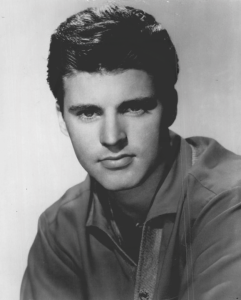
In 1963, Ricky married Kristin Harmon, and together they had four children: Tracy, Sam, and twins Matthew and Gunnar. Family was central to Ricky’s life, even as his career demanded frequent travel and long tours. Despite his success, Ricky carried a deep-seated fear of flying, a challenge for someone constantly on the road. He reportedly even attended psychotherapy sessions to cope with air travel, determined not to let fear interfere with his career or family commitments.
It was this same cautious nature that ultimately saved the lives of his twin boys. In late December, Ricky had planned a New Year’s tour trip to Dallas with his sons Matthew and Gunnar. However, just days before departure, he felt a premonition—a nagging sense that something was wrong. Trusting his instincts, Ricky called his sons and made the decision to have them skip the flight. “We were supposed to be on the plane on that trip,” Gunnar later recalled. “Our dad called us right before we were supposed to come down to Alabama and meet him and fly with him to the New Year’s show in Dallas.”
Ricky boarded the DC-3 plane alone in Alabama. Reports later confirmed that the aircraft had experienced engine trouble prior to the flight, though no one could have predicted the tragic events to come. As the plane neared its destination, a fire broke out inside the cabin. Though the pilot managed to bring the plane down safely in Texas, Ricky and the other passengers on board did not survive.
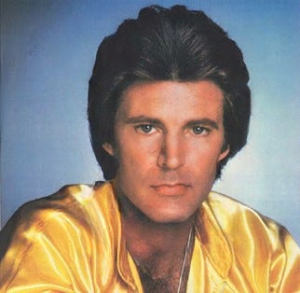
The cause of the fire has remained a subject of speculation for decades. Rumors swirled, including allegations that drugs were involved, but Ricky’s family and management strongly denied such claims. His daughter Tracy has since suggested that the fire was likely due to a mechanical failure, possibly involving the plane’s gasoline heater—a common issue with the aircraft nicknamed the “Flying Bus.”
Though the accident claimed Ricky’s life, his last-minute decision spared his children. Matthew and Gunnar went on to pursue their own musical careers, often performing together in honor of their father’s legacy. Matthew described their work as “an ongoing labor of love, an open letter to our dad, who was our best friend.” Their continued success is a testament not only to Ricky’s talent but also to his foresight and devotion as a father.
Ricky Nelson’s story serves as both a cautionary tale and a reminder of parental intuition. A man who lived much of his life in the public eye, navigating fame, touring, and personal struggles, still placed his children’s safety above all else. His actions that day ensured that, while the world lost a musical icon, his sons were given the chance to carry his legacy forward.
Even decades later, Ricky Nelson is remembered not only for his contribution to music and television but also for the quiet heroism he demonstrated in protecting his family. His life, and his tragic passing, highlight the sometimes unpredictable intersection of fate, intuition, and love.
Rest in peace, Ricky Nelson, whose instincts and heart saved the lives of those he loved most.
Uncategorized