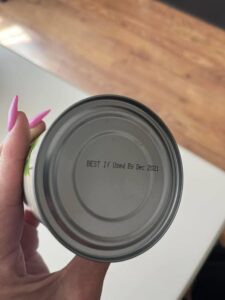
Food expiration dates appear on nearly every packaged product in the United States—from milk cartons and yogurt containers to canned vegetables and frozen meals. Many shoppers glance at these labels when deciding whether to buy or discard food, assuming they represent strict safety deadlines. In reality, most expiration dates are designed to indicate food quality rather than food safety.
Understanding how these labels work can help households make smarter decisions about food storage, budgeting, and waste reduction. According to the U.S. Department of Agriculture (USDA), confusion around food date labels contributes significantly to food waste across the country. Each year, roughly 30–40% of the U.S. food supply goes uneaten, representing billions of dollars in wasted groceries and environmental resources.
For American families facing rising grocery prices, learning how expiration labels actually function can make a meaningful difference. It can help consumers save money, reduce waste, and ensure that food remains safe to eat.
This guide explains the hidden meaning behind food expiration labels, how they affect consumers and businesses, and practical tips for safely managing food at home.
The Hidden Meaning / Significance
Food expiration dates often look authoritative, but many people misunderstand their purpose. In most cases, they are manufacturer guidelines about peak quality, not hard safety deadlines.
Why Expiration Dates Exist
Food manufacturers use date labels primarily to indicate when a product will taste, smell, and look its best. These dates help maintain brand reputation and ensure that customers enjoy products at their optimal freshness.
You might not realize it, but federal law does not require most foods to carry expiration dates. The U.S. Food and Drug Administration (FDA) and the USDA allow manufacturers to decide whether and how to display these labels, with one major exception: infant formula, which must include a safety-based expiration date.
This distinction is important because many consumers assume all date labels indicate spoilage risk. In reality, they are usually quality benchmarks, not safety warnings.
The Difference Between Common Date Labels
Many products include one of several different phrases, each with a specific meaning.
“Best if Used By” or “Best Before”
This label refers to when a product will have its best flavor, texture, and overall quality. After this date, the food may gradually lose freshness, but it is often still safe to eat if stored properly.
For example:
-
Breakfast cereal may lose crispness.
-
Crackers may become stale.
-
Dairy products may slowly change flavor.
However, the food is not automatically unsafe.
“Use By”
“Use By” dates represent the manufacturer’s recommendation for peak quality, especially for perishable products such as deli meats, dairy, and ready-to-eat meals.
This date is the last day recommended for best taste or texture, but it does not always mean the food becomes unsafe immediately afterward.
“Sell By”
This label is primarily intended for grocery retailers, not consumers. It tells stores how long a product should remain on shelves before being removed from sale.
Consumers often have additional time to use the product safely after the sell-by date, especially if it has been refrigerated correctly.
Understanding these distinctions can help households avoid discarding perfectly edible food.
Practical Implications for People / Consumers / Businesses
Misinterpreting expiration dates has real financial and environmental consequences in the United States. For families, it can increase grocery spending. For businesses, it can influence inventory management and supply chains.
The Financial Impact of Food Waste
The USDA Economic Research Service estimates that American households waste hundreds of dollars worth of food per year. Much of this waste comes from discarding items that are still safe to eat.
Examples include:
-
Milk thrown out immediately after a “Best By” date
-
Yogurt discarded despite being unopened
-
Canned foods tossed even though they remain shelf-stable
Reducing food waste can significantly lower household grocery bills—especially during periods of rising food prices.
Environmental Consequences
Food waste is also an environmental issue. When food ends up in landfills, it produces methane, a greenhouse gas that contributes to climate change.
The Environmental Protection Agency (EPA) reports that food waste is among the largest categories of municipal landfill waste in the United States.
Reducing unnecessary food disposal can help conserve:
-
water used in agriculture
-
energy used in production and transportation
-
land resources used for farming
Small changes in household food management can have measurable environmental benefits.
Implications for Grocery Stores and Food Suppliers
Retailers rely on date labels to manage product freshness and reduce liability. Stores must ensure customers receive food that meets quality expectations, which is why items nearing their sell-by dates are often discounted or removed.
Food manufacturers also face challenges balancing:
-
consumer safety
-
product quality
-
inventory efficiency
-
regulatory compliance
In recent years, some industry groups have advocated for standardized labeling systems to reduce confusion. Simplifying date labels could help consumers make better decisions and reduce waste nationwide.
Historical / Cultural Context
Expiration labeling has evolved significantly over the past century. The modern system reflects changes in food production, packaging technology, and consumer behavior.
The Rise of Packaged Foods
Before the mid-20th century, most Americans purchased food from local markets, bakeries, and farms. Products were consumed quickly and rarely required detailed packaging labels.
However, as grocery stores expanded and processed foods became more common, manufacturers began including freshness dates to reassure consumers about product quality.
By the 1970s and 1980s, expiration labels had become standard across many packaged goods.
Why the U.S. Labeling System Is Confusing
Unlike some countries that regulate expiration labeling strictly, the United States allows manufacturers significant flexibility.
As a result, multiple phrases—“Best By,” “Use By,” and “Sell By”—developed over time, often leading to confusion among shoppers.
A report from the Harvard Law School Food Law and Policy Clinic notes that inconsistent labeling contributes significantly to consumer misunderstanding and food waste.
Efforts are ongoing to encourage more standardized terminology nationwide.
Growing Awareness of Food Waste
Over the past decade, awareness of food waste has grown dramatically in the United States.
Government agencies, nonprofit organizations, and food companies have launched initiatives aimed at reducing waste through:
-
improved labeling
-
consumer education
-
better food storage practices
-
donation programs for surplus food
The federal government’s U.S. Food Loss and Waste Reduction Goal aims to cut national food waste in half by 2030.
Understanding expiration labels is a key step toward achieving that goal.
Tips, Insights, or Takeaways
Consumers can make better decisions about food safety and quality by combining expiration labels with common-sense storage and observation.
1. Trust Your Senses
While date labels provide helpful guidance, sight, smell, and texture are often better indicators of spoilage.
Watch for warning signs such as:
-
mold growth
-
sour or unusual odors
-
slimy or sticky textures
-
unexpected discoloration
If a product shows these signs, it should be discarded regardless of the printed date.
2. Store Food at the Right Temperatures
Proper storage dramatically extends the shelf life of many foods.
According to the USDA Food Safety and Inspection Service:
-
Refrigerators should stay at or below 40°F (4°C)
-
Freezers should remain at 0°F (-18°C)
Maintaining these temperatures slows bacterial growth and preserves food quality.
3. Understand Typical Shelf Lives of Common Foods
Knowing how long foods generally last can help consumers make informed choices.
Eggs:
Eggs often remain safe for three to five weeks after purchase if refrigerated. A simple water test can indicate freshness—fresh eggs sink, while older ones float.
Milk:
Milk may remain drinkable for about a week after the “Best By” date, provided it has been consistently refrigerated and shows no sour smell.
Raw Chicken or Meat:
Fresh poultry and meat typically last one to two days in the refrigerator after purchase. Freezing them extends storage significantly.
Dry Staples (Rice and Pasta):
Uncooked rice and pasta can last years when stored in cool, dry conditions, though flavor and texture may slowly decline.
Canned Foods:
Properly sealed canned goods can remain safe for years, as long as the cans are not dented, rusted, or swollen.
Frozen Foods:
Frozen foods stored continuously at 0°F or lower can remain safe indefinitely, although quality may slowly decrease.
4. Freeze Foods Before They Spoil
Freezing is one of the most effective ways to extend shelf life. Many foods—including bread, meat, cooked meals, and vegetables—freeze well and can be used months later.
This strategy helps households reduce waste while keeping groceries available for future meals.
5. Plan Meals and Track Groceries
Another effective approach is simple meal planning.
Consumers can reduce waste by:
-
organizing refrigerators so older foods are used first
-
labeling leftovers with preparation dates
-
freezing items before they spoil
-
buying only what is needed for the week
These habits improve food safety and reduce unnecessary spending.
Authoritative References
-
U.S. Department of Agriculture (USDA) Food Safety and Inspection Service
-
U.S. Food and Drug Administration (FDA) guidance on food date labeling
-
Environmental Protection Agency (EPA) data on food waste
-
Harvard Law School Food Law and Policy Clinic research on labeling systems
High-Value Keyword Suggestions
For SEO and high-value advertising opportunities, the following keywords may perform well:
-
food safety guidelines
-
grocery budgeting tips
-
reducing household food waste
-
refrigerator food storage rules
-
consumer food safety advice
-
healthy home cooking habits
-
sustainable living practices
-
family budgeting and grocery savings
These topics attract advertisers in sectors such as home appliances, food delivery services, grocery retailers, sustainability brands, and household budgeting tools.
Conclusion
Food expiration dates serve an important purpose, but they are often misunderstood. For most products in the United States, these labels indicate peak quality rather than strict safety limits.
By learning the differences between “Best By,” “Use By,” and “Sell By” dates—and by storing food properly—households can reduce waste, save money, and make more informed decisions about food safety.
In a time when grocery costs continue to rise, these simple strategies can help families stretch their budgets while also contributing to broader efforts to reduce food waste across the country.
Understanding what those small printed dates truly mean may seem like a minor detail—but it can make a meaningful difference for both consumers and the environment.