Imagine being a fearless young skateboarder, the kind who thrives on adrenaline, scraped knees, and the thrill of landing impossible tricks.
Your identity is raw, unfiltered, and deeply personal, shaped by passion rather than polish or approval. Now imagine that same spirit being discovered overnight, not on the streets or in skate parks, but on a global stage.
That was the reality for Courtney Hadwin, a shy yet electrifying teenager from England. In 2018, at just 14 years old, Courtney stepped onto the stage of America’s Got Talent and delivered a performance that stunned both the audience and judges alike.
Her voice, explosive and soulful, defied expectations. Before she even finished her first song, judge Howie Mandel pressed the Golden Buzzer, sending her straight to the live shows. It was a moment that instantly changed her life forever.

Her performances were often compared to legendary rock and soul icons, and her stage presence carried a rare authenticity. Despite her young age, she performed with a rawness that felt decades beyond her years.
Soon after her breakthrough, Courtney caught the attention of music mogul Simon Cowell, who signed her to his label, Syco Entertainment.
At the time, this deal seemed like the ultimate dream—an entry into the global music industry under one of the most influential figures in entertainment. For many young artists, this would be the pinnacle of success.
However, as Courtney’s journey unfolded, it became clear that success within the industry often comes with expectations and pressures that can reshape an artist’s identity.
Like many emerging talents, she entered a system designed to produce commercially viable stars. That often meant aligning her sound with mainstream trends rather than preserving her natural artistic instincts.
Behind the scenes, Courtney was encouraged to explore a more polished, radio-friendly pop direction. While this path can be rewarding for some, it didn’t fully reflect the gritty, soulful energy that made her stand out.

Instead of the raw rock and blues influence that defined her early performances, she found herself navigating a more controlled creative environment. This experience is not uncommon for young artists entering major label systems.
Contracts, production timelines, and creative decisions are often guided by teams of professionals aiming to maximize success. While well-intentioned, this structure can sometimes limit artistic freedom.
For Courtney, the journey became one of patience and self-discovery. Growth didn’t happen overnight, and finding her authentic voice required time, resilience, and a willingness to push back against expectations.
Over the years, she continued to perform, write, and evolve. Her fans remained loyal, often expressing anticipation for music that truly reflected her original sound and personality.
Unlike the immediate fame that came from television, building a lasting music career required persistence. The spotlight faded slightly, but her artistic development continued behind the scenes.
As she matured, Courtney gained more confidence—not just as a performer, but as a creator. She began to take greater control over her musical direction and creative decisions.

Eventually, she started releasing music independently, showcasing a sound that felt far more aligned with her identity. This phase marked a turning point in her career.
Her newer work reflects influences from blues, rock, and soul, blending them into a style that feels authentic rather than manufactured. The energy is less polished but more powerful.
One of the key collaborators in her journey has been Kevin Bowe, a producer known for working with artists who value originality and depth over mainstream conformity.
Together, they focused on crafting music that highlights emotion, storytelling, and raw vocal strength. This approach allowed Courtney to reconnect with the qualities that first captivated audiences.
Fans quickly noticed the difference. Many praised her for staying true to herself and for refusing to compromise her identity in pursuit of commercial success.
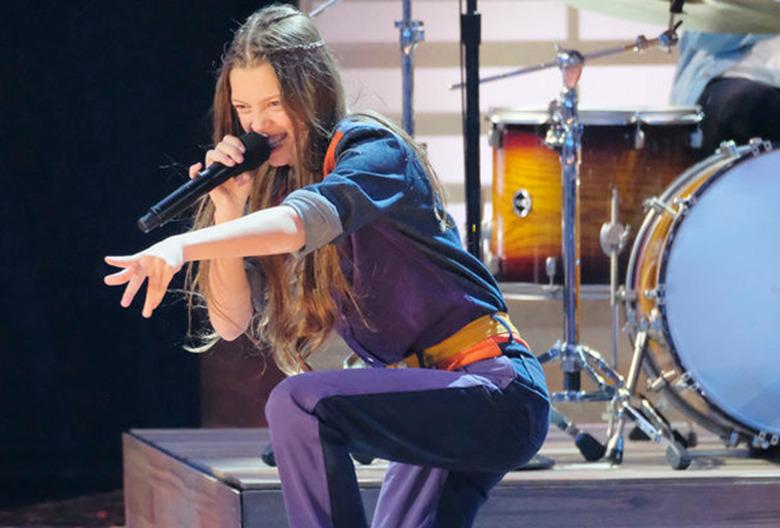
Her journey resonates with a broader theme in the music industry—the tension between authenticity and marketability. It’s a challenge faced by countless artists, especially those who achieve fame at a young age.
Courtney’s story is not one of overnight transformation, but of gradual evolution. It reflects the reality that artistic growth often involves struggle, reflection, and difficult choices.
Importantly, there is no confirmed evidence that she was “forced” into a specific identity or that her career was entirely controlled. However, like many artists, she navigated industry expectations.
By the mid-2020s, Courtney had established herself as a more independent voice. Her music began to reflect her influences more clearly, leaning into the raw and expressive style she was known for.
Her performances today carry a different kind of confidence—less about proving herself and more about expressing who she truly is. That shift has been key to her artistic identity.
Supporters frequently highlight her uniqueness. They admire not only her voice but also her determination to stay authentic in an industry that often rewards conformity.
Some fans describe her as “one of a kind,” while others emphasize the emotional depth in her performances. These reactions underline the impact of staying true to one’s roots.
Courtney’s journey also highlights the importance of time in artistic development. While early fame can open doors, it doesn’t always allow for immediate creative freedom.

With experience comes perspective. As Courtney matured, she gained a clearer understanding of her goals and the kind of artist she wanted to become.
Her story serves as a reminder that success is not always linear. There are moments of uncertainty, redirection, and growth that shape the final outcome.
Today, she continues to build her career on her own terms, connecting with audiences through music that feels honest and deeply personal.
Social media platforms like YouTube and Instagram have also played a role in maintaining her connection with fans, allowing her to share her journey more directly.
Her evolution from a shy teenager to a confident artist reflects both personal growth and professional resilience. It’s a journey that continues to unfold.
Looking back, her performances on America’s Got Talent remain iconic, capturing the moment the world first witnessed her extraordinary talent.
Yet, it’s her ongoing commitment to authenticity that defines her legacy. Not just as a performer, but as an artist determined to remain true to herself.
Courtney Hadwin’s story ultimately isn’t just about fame—it’s about identity, perseverance, and the courage to protect your voice in a world that often tries to reshape it.