Bug bites are one of the most common outdoor annoyances, but they can also pose serious health risks in certain situations. While many bites are harmless and cause only mild irritation, others can lead to allergic reactions, infections, or even disease transmission.
Understanding how to identify different types of bug bites is not just helpful—it can be critical. For individuals with allergies or sensitivities, recognizing the source of a bite quickly can make a life-saving difference.
This comprehensive guide will help you identify 10 of the most common bug bites, understand their symptoms, and learn when to take action.
Why Identifying Bug Bites Is Important
Not all bug bites are created equal. Some cause minor itching, while others may result in swelling, pain, or more serious complications.
Being able to identify a bite can help you:
- Choose the correct treatment
- Avoid worsening symptoms
- Recognize signs of allergic reactions
- Prevent future bites
- Seek medical attention when necessary
Whether you’re spending time outdoors, traveling, or simply at home, knowing what bit you can give you peace of mind and help you respond appropriately.
1. Mosquito Bites: The Most Common Irritant
Mosquito bites are among the most recognizable and widespread.
What They Look Like
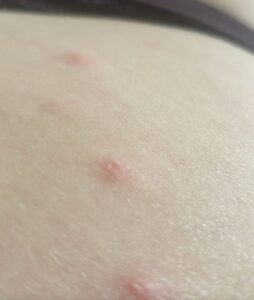
Mosquito bites typically appear as small, round, raised bumps on the skin. In some cases, they may become larger or more swollen depending on how long the mosquito was feeding.
Symptoms
- Intense itching
- Mild swelling
- Redness
Scratching can worsen irritation and increase the risk of infection.
Key Identification Tip
If the bite is itchy, soft, and appears shortly after being outdoors—especially in warm weather—it’s likely from a mosquito.
2. Flea Bites: Small but Persistent
Flea bites are commonly found on the lower legs and ankles.
What They Look Like
These bites are small, red, and slightly raised. They often appear in clusters or groups.
Symptoms
- Severe itching
- Redness
- Small hardened bumps
Key Identification Tip
Multiple bites in a straight line or cluster are a strong indicator of flea activity.
3. Lice Bites: Concentrated Around the Scalp
Head louse bites can be mistaken for flea bites but are usually located in specific areas.
What They Look Like
Small red bumps similar to flea bites.
Common Locations
- Scalp
- Behind the ears
- Back of the neck
Symptoms
- Persistent itching
- Irritation on the scalp
Key Identification Tip
If itching is focused on the head and neck, lice may be the cause.
4. Bedbug Bites: Patterned and Persistent
Bed bug bites are often confused with mosquito bites but have distinct patterns.
What They Look Like
Red, inflamed bumps that often appear in a line or zig-zag pattern.
Symptoms
- Intense itching
- Swelling
- Skin irritation
Key Identification Tip
Clusters or patterns—especially after sleeping—are a hallmark of bedbug bites.
Important Note
If bedbugs are suspected, professional pest control is often necessary to eliminate them.
5. Tick Bites: A Potential Health Risk
Tick bites are particularly important to monitor due to disease risk.
What They Look Like
A small dark spot (the tick itself) surrounded by redness. In some cases, a circular rash or “bullseye” pattern may develop.
Symptoms
- Mild irritation initially
- Possible rash
- Fever or fatigue in some cases
Key Identification Tip
The presence of a tick attached to the skin is a clear indicator.
Important Health Warning
Ticks can transmit diseases such as:
- Lyme disease
- Rocky Mountain spotted fever
Proper removal is essential, and medical advice may be necessary.
6. Wasp Stings: Painful and Noticeable
Wasp stings are more painful than most bug bites.
What They Look Like
A raised red area with a visible puncture point.
Symptoms
- Immediate pain
- Swelling
- Redness
- Mild itching
Key Identification Tip
Pain is usually the first symptom, followed by swelling.
7. Hornet Stings: More Intense Reactions
Hornet stings are similar to wasp stings but often more severe.
What They Look Like
Swollen, red areas with a central puncture.
Symptoms
- Strong pain
- Significant swelling
- Warmth around the area
Key Identification Tip
More intense pain and swelling compared to typical wasp stings.
8. Bee Stings: Easily Identifiable
Honey bee stings are unique because of the stinger.
What They Look Like
A red, swollen bump with a visible stinger embedded in the skin.
Symptoms
- Sharp initial pain
- Swelling
- Redness
Key Identification Tip
The stinger remains in the skin after the sting.
What to Do
Remove the stinger carefully and clean the area to prevent infection.
9. Fire Ant Bites: Painful and Distinct
Fire ant bites are easy to recognize due to their immediate reaction.
What They Look Like
Small red bumps that may develop into pus-filled blisters.
Symptoms
- Immediate burning pain
- Itching
- Swelling
Key Identification Tip
Pain occurs instantly, unlike flea bites, which are primarily itchy.
10. Spider Bites: Varied but Noticeable
Spider bites can vary depending on the species.
What They Look Like
Red, swollen areas that may show two small puncture marks.
Symptoms
- Pain or itching
- Swelling
- In rare cases, more severe reactions
Key Identification Tip
Two small puncture marks can indicate a spider bite.
When to Seek Medical Attention
While most bug bites are harmless, some situations require medical care.
Seek help if you experience:
- Difficulty breathing
- Severe swelling
- Fever or chills
- Rapid spreading redness
- Signs of infection
Allergic reactions can escalate quickly and should be treated as emergencies.
How to Prevent Bug Bites
Prevention is always better than treatment. To reduce your risk:
- Use insect repellent
- Wear protective clothing
- Avoid standing water
- Keep living spaces clean
- Inspect bedding and pets regularly
These simple steps can significantly reduce exposure to biting insects.
Final Thoughts
Bug bites are a part of everyday life, but understanding them can make all the difference.
By learning to identify common bites, you can:
- Respond quickly
- Treat symptoms effectively
- Protect yourself and your family
Being informed is the best defense against both minor discomfort and serious health risks.