Modern kitchens are often designed with both style and convenience in mind. Among the many upgrades homeowners choose, glass top stoves have become especially popular. Their sleek appearance, smooth surface, and easy cleaning make them a favorite in contemporary homes.
At first glance, they seem like the perfect combination of form and function. No exposed coils, no hard-to-reach corners, and a polished finish that instantly elevates the look of any kitchen.
But beneath that glossy surface lies a vulnerability that many people don’t realize—until it’s too late.
There’s one surprisingly common mistake that can cause a glass stovetop to crack or even shatter completely. And what makes it worse is how harmless it seems in the moment.
It’s not dropping a heavy pan. It’s not hitting the surface with force.
It’s something far more subtle.
The Mistake That Can Ruin Your Stove in Seconds
Here it is clearly and simply:
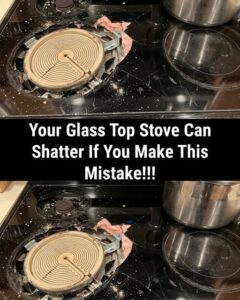
Never place a hot lid face-down directly on a glass stovetop.
It might feel like a natural thing to do. You’re cooking, you remove the lid from a pot, and you need somewhere to set it down. The stovetop is right there, flat and convenient.
So you place the lid upside down for just a moment.
That’s all it takes.
Within seconds—or sometimes minutes—you could hear a sharp cracking sound. In some cases, the glass may fracture instantly. In others, cracks spread slowly across the surface like a spiderweb.
Either way, the result is the same: a damaged cooktop that is no longer safe to use.
Why This Happens: The Science Behind It
To understand why this mistake is so risky, it helps to look at what’s happening beneath the surface.
Glass stovetops are typically made from tempered glass-ceramic materials. These are designed to handle high temperatures and resist thermal stress. However, they are not indestructible.
When you place a hot lid face-down on the stove, several things happen at once:
1. Heat Becomes Trapped
The underside of the lid is hot—sometimes extremely hot. When placed flat against the glass surface, it creates a seal that traps heat between the lid and the stove.
This trapped heat has nowhere to escape.
Instead of dissipating into the air, it concentrates in a small, enclosed space.
2. Rapid Temperature Differences Form
The area directly under the lid heats up much faster than the surrounding surface.
Meanwhile, other parts of the stovetop remain cooler.
This uneven heating creates thermal stress—a condition where different parts of the material expand at different rates.
3. Pressure Builds Up
As the trapped air heats, it expands. When the lid begins to cool or the surrounding temperature shifts, pressure differences can occur between the trapped space and the outside air.
This combination of heat and pressure puts strain on the glass.
4. The Glass Fails
Glass-ceramic surfaces are strong, but they are sensitive to sudden changes in temperature and pressure.
When the stress exceeds what the material can handle, it cracks.
In some cases, the crack is small. In others, the entire surface can shatter dramatically.
Why It’s So Easy to Overlook
What makes this issue particularly frustrating is how unintuitive it is.
Most people associate broken glass with impact—dropping something heavy or hitting the surface.
But this situation doesn’t involve force. It happens quietly and unexpectedly.
You might not even be in the room when it occurs.
That’s why so many people are caught off guard.
The Real Consequences of a Cracked Cooktop
A cracked glass stovetop is more than just a cosmetic issue.
Safety Risks
Once the surface is damaged, it becomes unsafe to use. Cracks can weaken the structure, making it more likely to break further under heat.
There’s also a risk of:
- Cuts from sharp edges
- Burns from exposed heat
- Electrical hazards in some models
Cooking Limitations
Even a small crack can affect how heat is distributed across the surface. This can lead to uneven cooking or further damage over time.
Cost of Repair
Unfortunately, repairing a glass stovetop is rarely simple or inexpensive.
In many cases, the entire top must be replaced. Depending on the model, this can be costly—sometimes approaching the price of a new appliance.
What You Should Do Instead
The good news is that this mistake is easy to avoid once you’re aware of it.
If you need to set down a hot lid, choose a safer alternative:
- A heat-resistant trivet
- A wooden cutting board
- A folded kitchen towel
- A countertop that can handle heat
The key is to avoid placing it directly on the glass surface.
Even a few seconds can be enough to create the conditions for damage.
Other Common Glass Stove Mistakes
While the lid issue is one of the most surprising, it’s not the only way a glass stovetop can be damaged.
Here are a few other things to watch out for:
Sliding Heavy Cookware
Dragging pots and pans across the surface can cause scratches, which weaken the glass over time.
Using the Wrong Cookware
Uneven or rough-bottomed cookware can create pressure points that stress the glass.
Spills Left to Burn
Sugary spills, in particular, can bond to the surface and cause damage if not cleaned properly.
Sudden Temperature Changes
Pouring cold water onto a hot surface can also create thermal shock, leading to cracks.
The Appeal of Glass Top Stoves
Despite their sensitivity, glass top stoves remain a popular choice for good reason.
They offer:
- A sleek, modern appearance
- Easy cleaning with a flat surface
- Efficient heat distribution
- Compatibility with a variety of cookware
For many homeowners, these benefits outweigh the risks—especially when they understand how to use the appliance properly.
A Matter of Awareness
The biggest issue isn’t that glass stovetops are fragile.
It’s that many people simply aren’t aware of how certain everyday actions can affect them.
Placing a lid on the surface feels harmless because it’s something we’ve done with other types of stoves for years.
But glass cooktops require a slightly different approach.
Building Better Kitchen Habits
Once you know the risks, it becomes easier to develop safer habits.
For example:
- Always have a designated spot for hot lids
- Use protective mats or trivets when cooking
- Be mindful of temperature changes
- Avoid placing anything directly on the surface unless it’s intended for cooking
These small adjustments can go a long way in preventing damage.
What to Do If Your Stove Cracks
If your glass stovetop does crack, it’s important to take it seriously.
Step 1: Stop Using It
Do not continue cooking on a cracked surface. This can worsen the damage and increase safety risks.
Step 2: Assess the Damage
Check whether the crack is superficial or more extensive. Even small cracks can spread.
Step 3: Contact a Professional
Consult the manufacturer or a qualified technician to determine repair options.
Step 4: Avoid DIY Repairs
Temporary fixes may not be safe and can lead to further issues.
Why This Lesson Matters
At its core, this isn’t just about a stovetop.
It’s about understanding how small, everyday actions can have unexpected consequences.
In the kitchen, where heat, pressure, and materials interact constantly, awareness is key.
Final Thoughts
Glass top stoves are beautiful, efficient, and convenient—but they require a bit of care.
The simple act of placing a hot lid face-down on the surface can create a chain reaction of heat, pressure, and stress that leads to cracks or even complete failure.
It’s not an obvious mistake. It’s not something most people would think twice about.
But once you know, it’s easy to avoid.
So the next time you lift a lid while cooking, pause for a second and choose a safer place to set it down.
Because sometimes, preventing a problem is as simple as changing one small habit.
And in this case, that small habit can save you from a costly and frustrating situation.