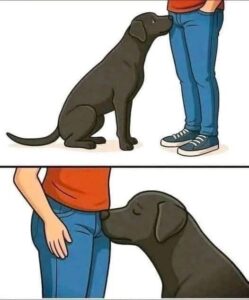
Dogs have long been known as loyal companions, but one of the most fascinating and often misunderstood aspects of their behavior lies in their powerful sense of smell. Their world is shaped by scents, and the way they perceive their environment is something far beyond the reach of human senses. From sniffing your feet to tracking scents from miles away, dogs interpret the world through their noses in a way that humans can only imagine.
If your dog is sniffing your feet—or really any part of your body—it might seem like a quirky or amusing behavior, but it actually reveals a lot about how your dog experiences the world. In this article, we will dive deep into the science behind your dog’s sense of smell, explore why they sniff certain things, and highlight how their olfactory abilities change our understanding of animal behavior and communication.
The Incredible Power of a Dog’s Nose
Humans have five senses—sight, smell, touch, taste, and hearing. While all are important, none compare to the nose of a dog. A dog’s sense of smell is between 10,000 to 100,000 times more sensitive than that of humans. This astounding ability allows dogs to detect scents from vast distances, and they use this capability to interpret their environment, communicate with others, and even track down prey.
The secret to a dog’s incredible sense of smell lies in their anatomy. Dogs have up to 300 million olfactory receptors in their noses, while humans have just 5 million. Additionally, a dog’s olfactory bulb (the part of the brain that processes smells) is proportionally much larger than that of a human, giving them the ability to process scents in a way we can’t even comprehend.
When a dog sniffs something, it is not simply taking in air—it is actively gathering information. This “sniffing” process is incredibly detailed, allowing dogs to detect the slightest changes in scents, including pheromones, chemicals, and even the emotions of other animals and humans. This remarkable ability to pick up on such minute details makes dogs invaluable in roles like search-and-rescue, bomb detection, and therapy work.
Why Does Your Dog Sniff Your Feet?
Now, let’s focus on the particular habit of dogs sniffing their owners’ feet. It might seem like a funny or even slightly embarrassing behavior, but it actually reveals a lot about how dogs interact with humans and the world around them.
The Scents of You
The reason your dog is so keen on sniffing your feet—or your skin, clothes, or even your breath—has everything to do with scent. Every human emits a unique combination of scents, including natural body odor, sweat, pheromones, and even the chemicals released by bacteria on your skin. For dogs, this scent profile is a treasure trove of information. By sniffing your feet, which have sweat glands similar to the palms of your hands, dogs can gather key details about your emotional state, health, and identity.
For example, the scent of sweat and oils on your feet can tell your dog if you’re stressed, anxious, happy, or calm. This is why your dog might sniff more intensely when you’re feeling nervous or unwell. When you’re sick, your body chemistry changes, and your dog can detect those subtle shifts through the unique odors you give off.
Additionally, dogs are highly attuned to pheromones, which are chemical signals that animals use to communicate. Pheromones are often undetectable by humans, but dogs can pick them up easily. When you’ve had a long day and your feet are tired or sweaty, your dog may be attracted to those scents as a way of understanding how you’re feeling or just to gather more information about you.
Seeking Comfort and Familiarity
Dogs also associate their owners’ scent with safety and security. Just as a child might feel comforted by the scent of a parent, your dog feels at ease when they are surrounded by the smells that belong to you. Your feet, often warm and familiar, become a point of contact with you—a way for your dog to feel connected and reassured.
In some cases, dogs might sniff or lick your feet because it’s an expression of affection or simply a way of saying “hello.” It’s a comforting ritual that allows your dog to bond with you, reaffirming their connection to you as a loved one. Similarly, some dogs might sniff certain areas of your body out of curiosity, as they instinctively know that humans are a rich source of information.
Canine Communication: Dogs and Pheromones
Pheromones are one of the most fascinating aspects of canine behavior. These chemical signals, which dogs use to communicate with one another, are often found in the sweat glands around their bodies, including the feet. While humans produce pheromones, we are not aware of them or their effects, but dogs can pick up on these subtle chemical cues and use them to understand the emotional or physical state of another dog or person.
When your dog sniffs your feet, they might be gathering information on your emotional state, your level of excitement, or even your physical health. They might be detecting pheromones that signal when you’re stressed, happy, or feeling unwell. Some researchers even suggest that dogs may use these cues to gauge their owners’ needs, which is why many dogs seem to sense when their humans are upset or anxious.
Curiosity and Exploration
Dogs are naturally curious creatures. Just as a child might want to explore new environments and objects, dogs engage with their surroundings by sniffing everything they encounter. Your feet, as a frequent point of contact with the environment (whether it’s the shoes you wear, the places you’ve been, or the way your body smells after a long day), become a focal point for this exploration.
Dogs tend to sniff around to learn about their environment, including the people they interact with. They might sniff your feet because they are curious about where you’ve been or what you’ve done. The ground or floor you walk on leaves behind different smells, and your dog can learn from these scent trails as well.
Dogs’ Ability to Track Time Through Scent
One of the most astonishing aspects of a dog’s sense of smell is its ability to track time through scent. This concept, often referred to as “scent memory,” means that dogs can detect and remember specific scents in a way that allows them to understand time.
This ability is particularly useful for tracking things like the scent of their owners or food, even after long periods of absence. For instance, if you’ve been away at work all day, your dog might sniff around your house and recognize the scent trail you left behind, understanding that it was left several hours ago. This gives them a unique ability to track the passage of time and associate scents with specific events.
While humans experience time through visual cues like clocks or schedules, dogs experience time through the gradual fading of scents. This is why many dogs get excited at the prospect of their owners coming home—they’re not just responding to your arrival but to the scents that have been present in the environment throughout the day.
Health Indicators and How Dogs Can Detect Illness
One of the more fascinating—and potentially life-saving—ways dogs use their sense of smell is by detecting illnesses in humans. Dogs can be trained to detect a variety of diseases, including cancer, diabetes, and even epilepsy, by sensing changes in the body’s chemical makeup. This ability is linked to their superior olfactory senses, which allow them to detect even the faintest scent of a disease or medical condition.
Cancer Detection
Dogs have been shown to be able to detect certain types of cancer by sniffing a person’s breath, skin, or bodily fluids. Some studies suggest that they can identify cancer markers at an early stage, even before human medical tests can pick them up. While the exact mechanisms behind this ability are still being studied, it is believed that dogs can detect changes in volatile organic compounds (VOCs), which are chemicals emitted by tumors.
Some dogs have even been trained to alert their owners to the presence of specific cancers, such as lung, breast, or colorectal cancer, simply by sniffing. This incredible ability has led to the use of trained dogs in medical detection programs, with the potential to revolutionize early cancer diagnosis.
Diabetes and Blood Sugar Levels
Dogs can also detect changes in blood sugar levels in people with diabetes. People with diabetes can experience drastic fluctuations in their blood sugar levels, and some dogs are trained to alert their owners when they need to check their glucose levels or take corrective actions. This capability is attributed to dogs’ ability to sense chemical changes in a person’s body, including the scent of elevated or decreased blood sugar.
For instance, if a diabetic person’s blood sugar is dangerously low or high, they may emit a different scent that a dog can detect. Some diabetic alert dogs are trained to identify these changes and warn their owners before they experience a health crisis, offering life-saving assistance in real time.
Seizure Detection
Dogs can also detect seizures in individuals with epilepsy before they occur. This ability has been widely documented, though the exact reasons why dogs can sense an impending seizure remain unclear. Some experts believe that dogs may detect subtle chemical changes or electrical signals in their owner’s body, while others suggest that dogs may be able to sense changes in behavior or scent that humans cannot detect.
Regardless of the mechanism, the ability of seizure detection dogs to alert their owners provides invaluable assistance in preventing injury and allowing for timely medical intervention.
The Psychological and Emotional Bond Between You and Your Dog
Beyond their practical abilities, dogs also use scent to form and strengthen the emotional bond they share with their owners. This bond is built on trust, affection, and mutual understanding, and scent plays a huge role in fostering this connection.