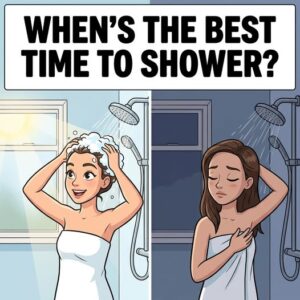
When it comes to daily hygiene habits, few routines are as universal—and as debated—as showering. While it may seem like a simple, automatic part of your day, the timing of your shower can actually influence how you feel physically and mentally. One of the most common questions people ask is: When is the best time to shower—morning or evening?
The truth is, there isn’t a single answer that fits everyone. Your ideal shower time depends on your schedule, lifestyle, skin type, sleep habits, and even your environment. Some people swear by a refreshing morning rinse to jumpstart their day, while others prefer a calming nighttime shower to relax and unwind.
In this in-depth guide, we’ll explore the benefits of both morning and evening showers, the science behind each approach, and how to decide which routine works best for your body and daily life. Whether you’re looking to improve your sleep, boost productivity, or simply feel cleaner, understanding the pros and cons of each option can help you make a more informed decision.
Morning vs Evening Showers: Why Timing Matters
Before diving into the specifics, it’s important to understand why shower timing matters at all. Showering isn’t just about cleanliness—it affects your circulation, alertness, skin health, and even your internal body clock.
Your body operates on a circadian rhythm, which influences your energy levels, hormone production, and sleep patterns. The time you shower can either support or disrupt these natural cycles.
For example:
- A morning shower can stimulate your senses and increase alertness.
- An evening shower can signal your body that it’s time to wind down.
Both options have real benefits. The key is aligning your shower routine with your personal needs.
Morning Showers: Benefits, Advantages, and When They Work Best
For many people, starting the day with a shower is non-negotiable. It’s part of a structured morning routine that helps set the tone for the day ahead.
1. A Natural Wake-Up Boost
One of the biggest advantages of a morning shower is how effectively it wakes you up. If you struggle with grogginess or sluggish mornings, stepping into a shower—especially one that alternates between warm and cool water—can instantly increase alertness.
Water stimulates circulation and activates your nervous system. This helps shake off sleep inertia, the foggy feeling you experience after waking up.
Even a short shower can make a noticeable difference in how quickly you feel ready to start your day.
2. Improved Focus and Productivity
Many people report feeling more focused after a morning shower. This isn’t just psychological—it has a biological basis.
Showering increases blood flow and oxygen delivery throughout the body, including the brain. This can enhance cognitive function, making it easier to concentrate on tasks.
If your day involves work, studying, or problem-solving, a morning shower can serve as a mental reset before you begin.
3. Better Hygiene for Active Sleepers
If you tend to sweat during the night, a morning shower can help you feel fresh and clean before heading out. Nighttime sweating can leave bacteria and oils on your skin, which may cause odor or irritation if not washed away.
A quick rinse in the morning removes:
- Sweat
- Dead skin cells
- Natural oils accumulated overnight
This is especially helpful in warm climates or during summer months.
4. Simplifies Your Daily Routine
From a practical standpoint, morning showers can be more convenient. Since you’re already getting ready for the day, it’s efficient to include showering as part of your routine.
This can help streamline your schedule, especially if your evenings are busy or unpredictable.
5. Ideal for Oily Skin Types
People with oily skin may benefit more from morning showers. Overnight, your skin produces sebum (natural oil), which can build up and lead to clogged pores.
Washing your face and body in the morning helps remove this excess oil and may reduce breakouts.
Potential Downsides of Morning Showers
While morning showers offer many benefits, they’re not perfect for everyone.
1. Less Effective for Removing Daily Dirt
A morning shower cleans off what accumulated overnight—but it doesn’t remove dirt, sweat, or pollutants from the previous day.
If you’ve been outside, exercised, or exposed to pollution, those particles remain on your skin and may transfer to your bedding.
2. Not Ideal for Relaxation
Morning showers are typically quick and functional. If you’re looking for a relaxing, stress-relieving experience, mornings may not provide enough time for that.
3. May Not Improve Sleep
Unlike evening showers, morning showers don’t contribute to better sleep quality. In fact, if you shower too late in the morning with hot water, it may make you feel temporarily relaxed rather than energized.
Evening Showers: Benefits, Relaxation, and Sleep Support
Evening showers offer a completely different set of advantages. Instead of energizing you, they help your body slow down and prepare for rest.
1. Powerful Stress Relief After a Long Day
One of the biggest benefits of an evening shower is stress reduction. After a long day filled with work, responsibilities, or commuting, a warm shower can feel incredibly soothing.
The combination of warm water and quiet time helps:
- Relax muscles
- Reduce tension
- Lower stress levels
This makes evening showers especially appealing for people with demanding or physically exhausting days.
2. Improved Sleep Quality
Science supports the idea that showering before bed can help you sleep better. When you take a warm shower, your body temperature rises slightly. After you step out, it begins to cool down.
This drop in temperature signals your body that it’s time to sleep.
As a result, you may:
- Fall asleep faster
- Experience deeper sleep
- Wake up feeling more rested
3. Keeps Your Bed Cleaner
If you shower at night, you’re removing dirt, sweat, and environmental pollutants before getting into bed.
This helps keep your sheets cleaner for longer and reduces the buildup of bacteria and allergens in your sleeping environment.
For people with sensitive skin or allergies, this can make a noticeable difference.
4. Supports Skincare Routines
Evening showers are ideal for skincare. After cleansing your body, you can take your time applying products like moisturizers, serums, or treatments.
Your skin also repairs itself overnight, so applying products before bed can enhance their effectiveness.
5. Removes Daily Build-Up
Throughout the day, your skin accumulates:
- Sweat
- Dirt
- Pollution
- Bacteria
An evening shower ensures all of this is washed away, helping prevent clogged pores and skin irritation.
Potential Downsides of Evening Showers
While evening showers are relaxing and beneficial, they also come with a few drawbacks.
1. Less Morning Alertness
If you skip a morning shower, you might feel less awake when starting your day. Some people rely on that morning rinse to feel energized.
2. Hair Drying Concerns
Going to bed with wet hair can lead to discomfort or even scalp issues if done regularly. It may also cause frizz or breakage for certain hair types.
3. Time Constraints
Evening schedules can be unpredictable. Social plans, family responsibilities, or fatigue may make it harder to stick to a consistent nighttime routine.
Morning vs Evening Showers: Which Is Better?
When comparing morning vs evening showers, it’s clear that both options offer unique advantages.
Morning showers are best for:
- Boosting energy and alertness
- Improving focus and productivity
- Removing overnight sweat and oil
- Starting the day feeling refreshed
Evening showers are best for:
- Relaxation and stress relief
- Better sleep quality
- Removing dirt and pollutants
- Supporting skincare routines
There’s no universal “best” choice—only what works best for you.
Should You Shower Twice a Day?
Some people choose to shower both in the morning and at night. This approach combines the benefits of both routines, but it’s not necessary for everyone.
Showering twice daily may be helpful if you:
- Exercise regularly
- Live in a hot or humid climate
- Have a physically demanding job
However, excessive showering can dry out your skin, especially if you use hot water or harsh soaps.
If you shower twice a day, consider:
- Using lukewarm water
- Applying moisturizer regularly
- Using gentle, hydrating cleansers
How Lifestyle Affects Your Ideal Shower Time
Your daily routine plays a major role in determining the best time to shower.
If you work early mornings:
A morning shower may help you wake up and feel ready for the day.
If you exercise in the evening:
A nighttime shower is essential to remove sweat and bacteria.
If you struggle with sleep:
An evening shower may help regulate your body temperature and improve rest.
If you have oily skin:
Morning showers can help manage oil production.
The Psychological Impact of Showering
Beyond physical benefits, showering also has psychological effects.
A morning shower can create a sense of readiness and motivation. It signals the start of a new day and can help you feel more in control.
An evening shower, on the other hand, acts as a transition from activity to rest. It helps your mind shift away from stress and into relaxation mode.
Both routines can improve mood—it simply depends on when you need that boost.
Water Temperature Matters Too
Regardless of timing, water temperature plays a crucial role in your shower experience.
Warm showers:
- Relax muscles
- Improve circulation
- Promote relaxation
Cool showers:
- Increase alertness
- Reduce inflammation
- Boost energy
Some people benefit from alternating between warm and cool water for a balanced effect.
Common Myths About Shower Timing
There are several misconceptions about when you should shower.
Myth 1: Morning showers are always better
Reality: It depends on your needs and routine.
Myth 2: Evening showers are unhygienic
Reality: They actually remove daily dirt before bed.
Myth 3: You must choose one
Reality: You can switch based on your schedule.
Tips for Creating the Perfect Shower Routine
No matter when you shower, these tips can improve your experience:
- Keep showers between 5–10 minutes
- Avoid very hot water
- Moisturize after showering
- Use gentle, skin-friendly products
- Stay consistent with your routine
Final Thoughts: Choosing What Works Best for You
At the end of the day, the debate over morning vs evening showers comes down to personal preference. There is no single “correct” answer—only what aligns with your lifestyle, comfort, and health needs.
If you need energy and focus, a morning shower might be your best option. If you value relaxation and better sleep, an evening shower could be more beneficial.
Some people even alternate between the two depending on their schedule—and that’s perfectly fine.
The most important thing is consistency and comfort. Your shower routine should support your well-being, not feel like an obligation.
So whether you start your day under the water or end it there, embrace the routine that makes you feel clean, refreshed, and ready for whatever comes next.